A Visit to Kiasma
This summer I took a trip to Finland for a number of reasons. The biggest was to begin getting to know a country that from next year we hope will become our new home.
We are planning to move to Finland so this trip was partly about exploring different areas and getting a feel for where we might eventually settle. It is one thing to look at places on a map or through photographs but quite another to spend time there - to experience the landscape, the towns, the distances, and the cultural life.
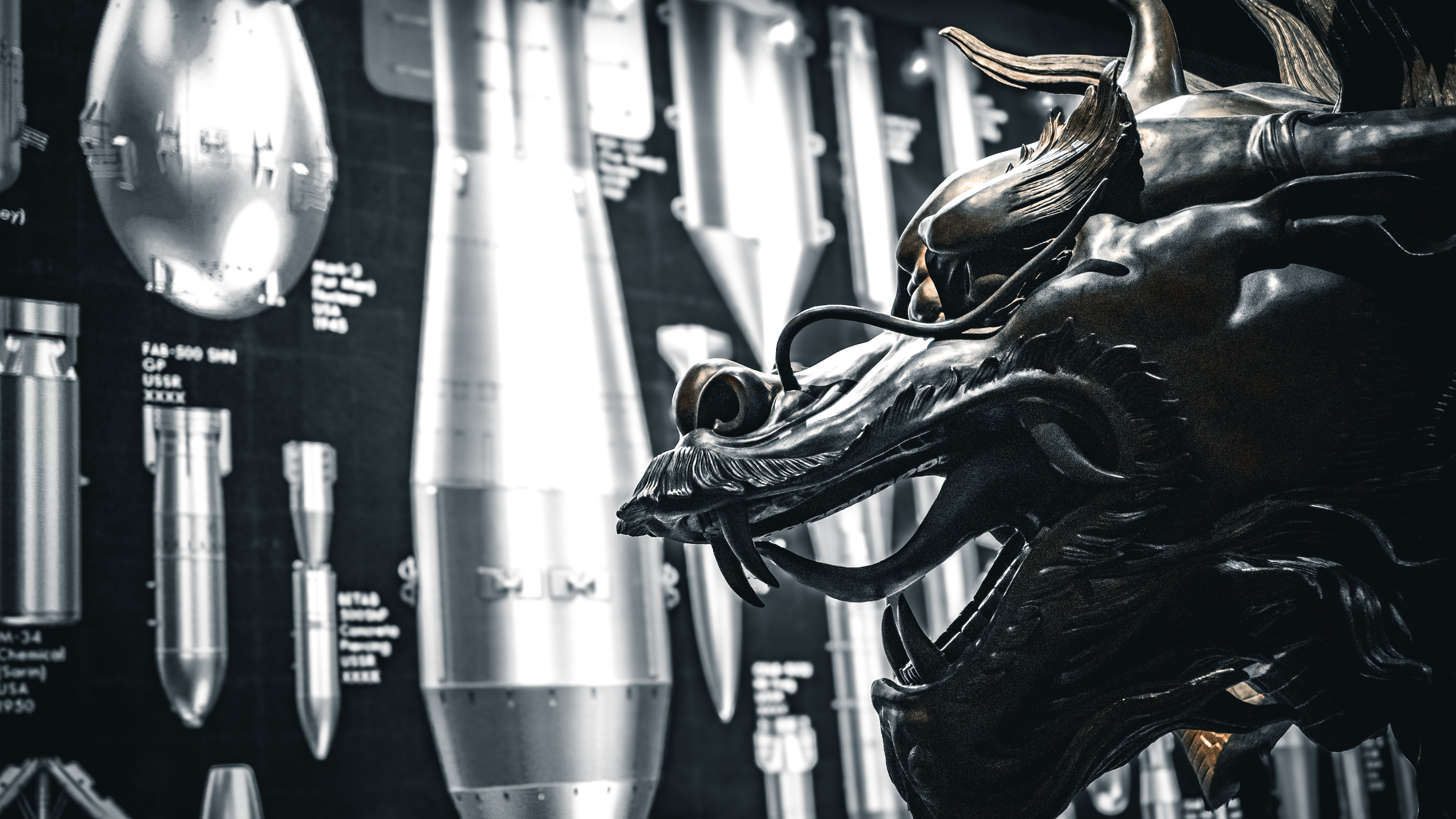
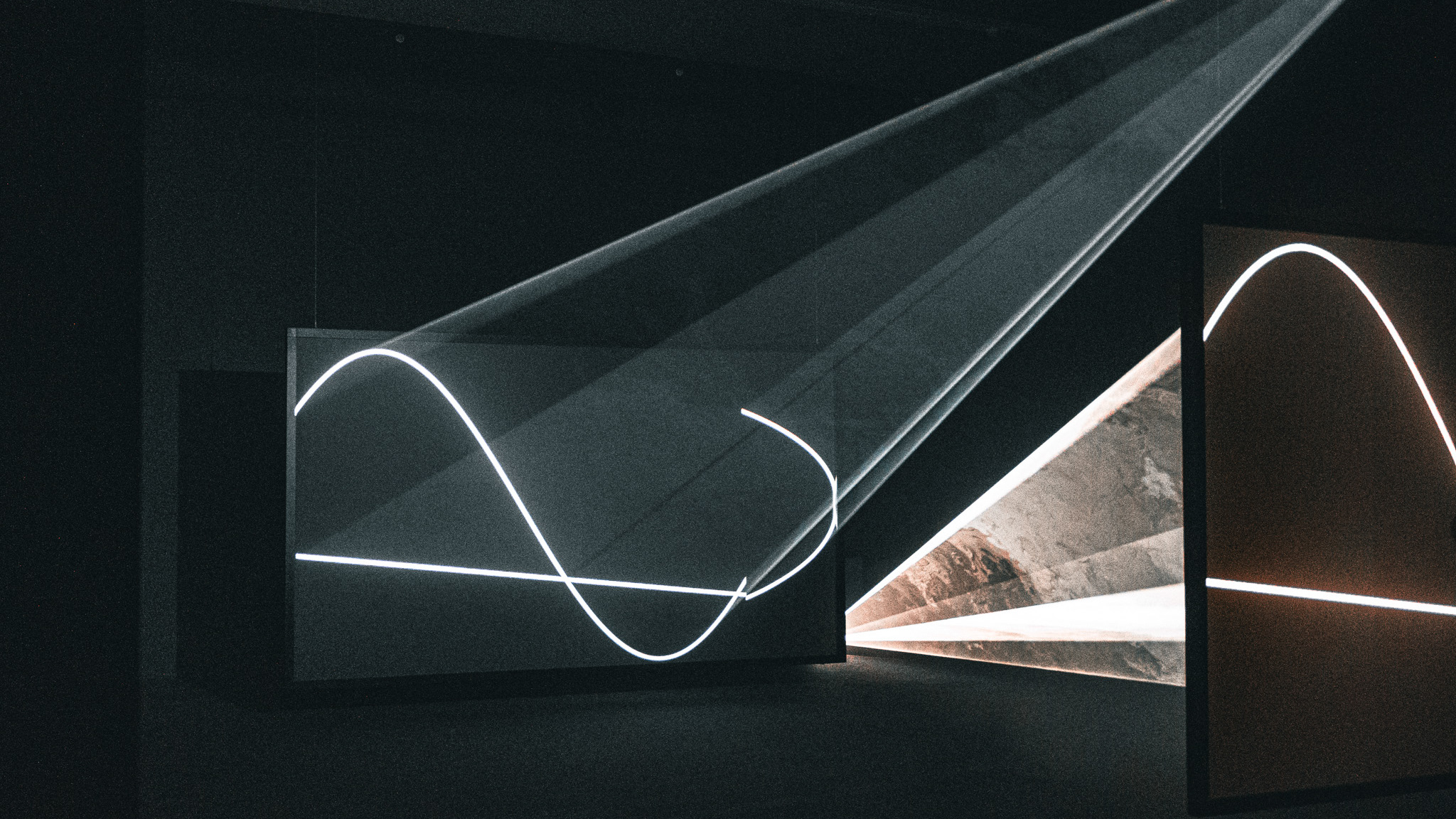
Helsinki was an obvious place to explore and I couldn't visit the Finnish capital without making time for the Kiasma - the Museum of Contemporary Art.
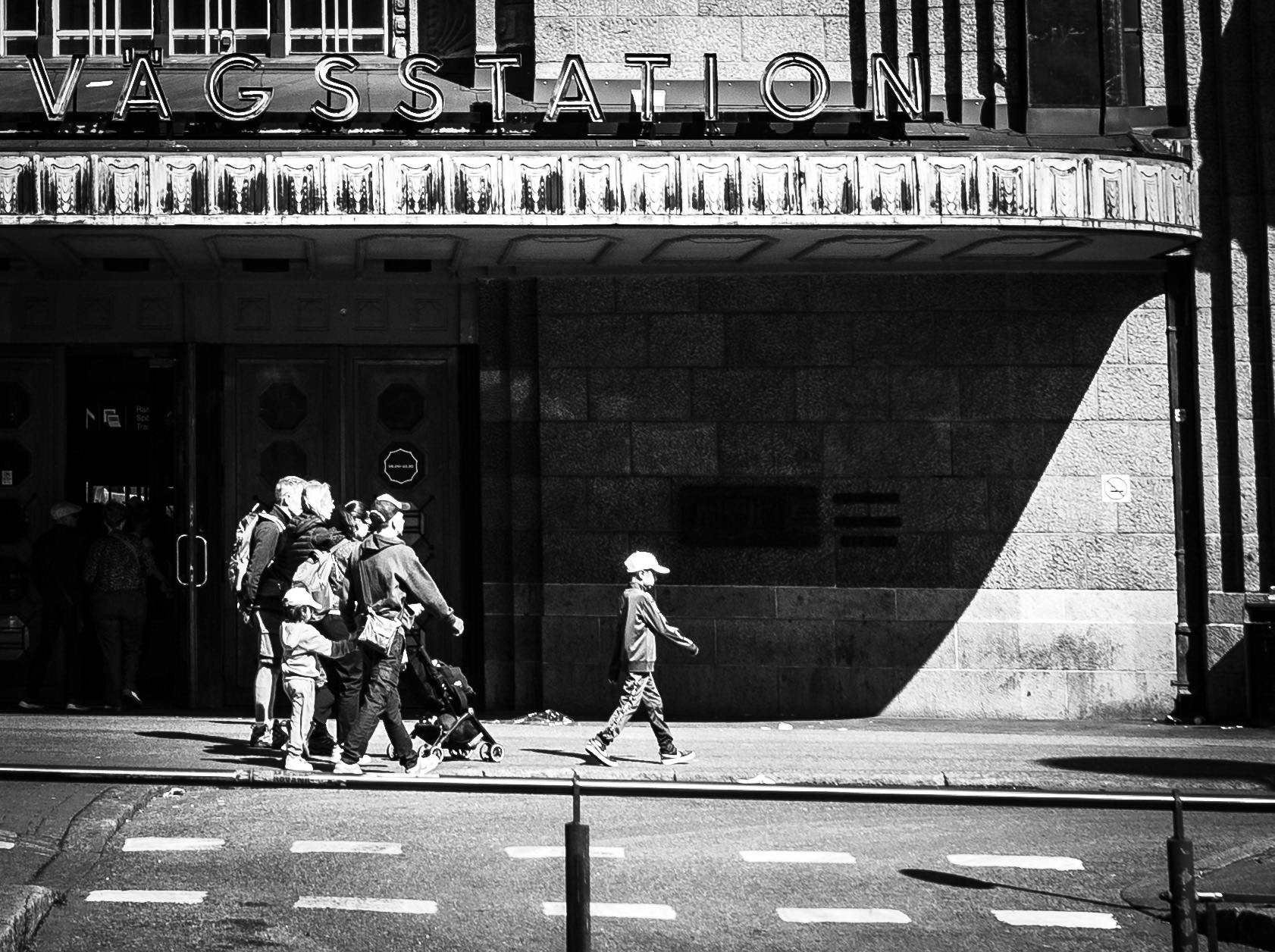
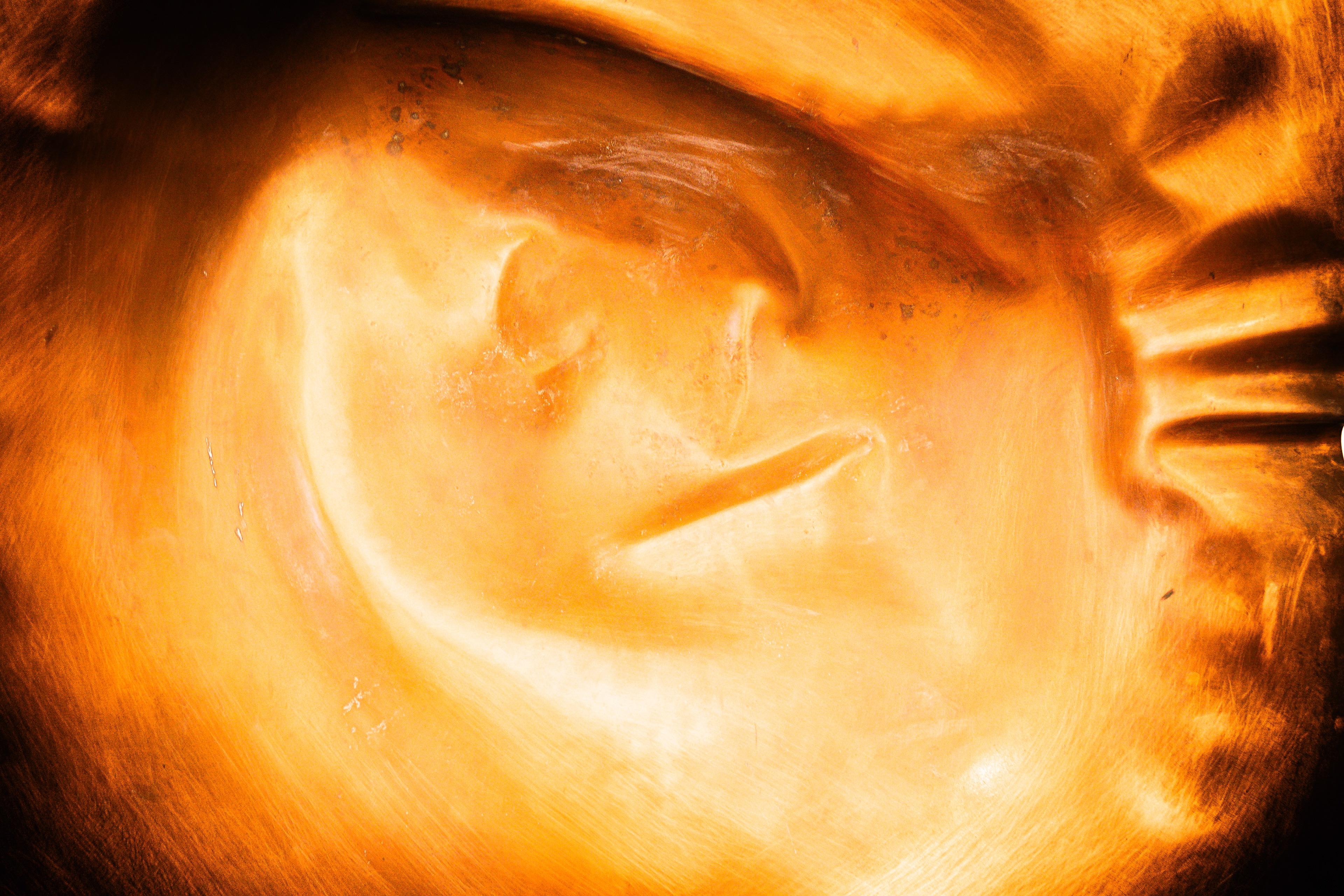
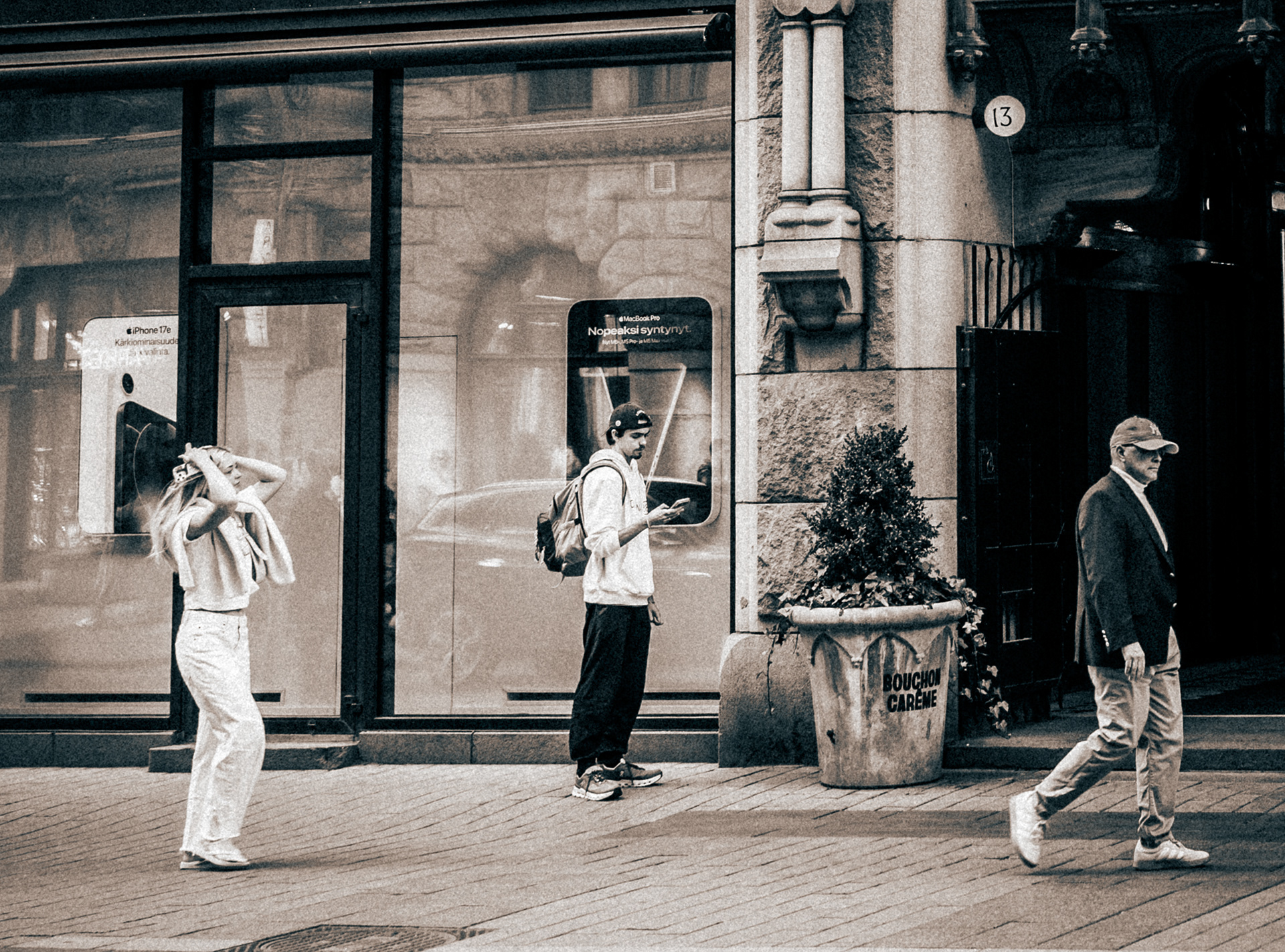
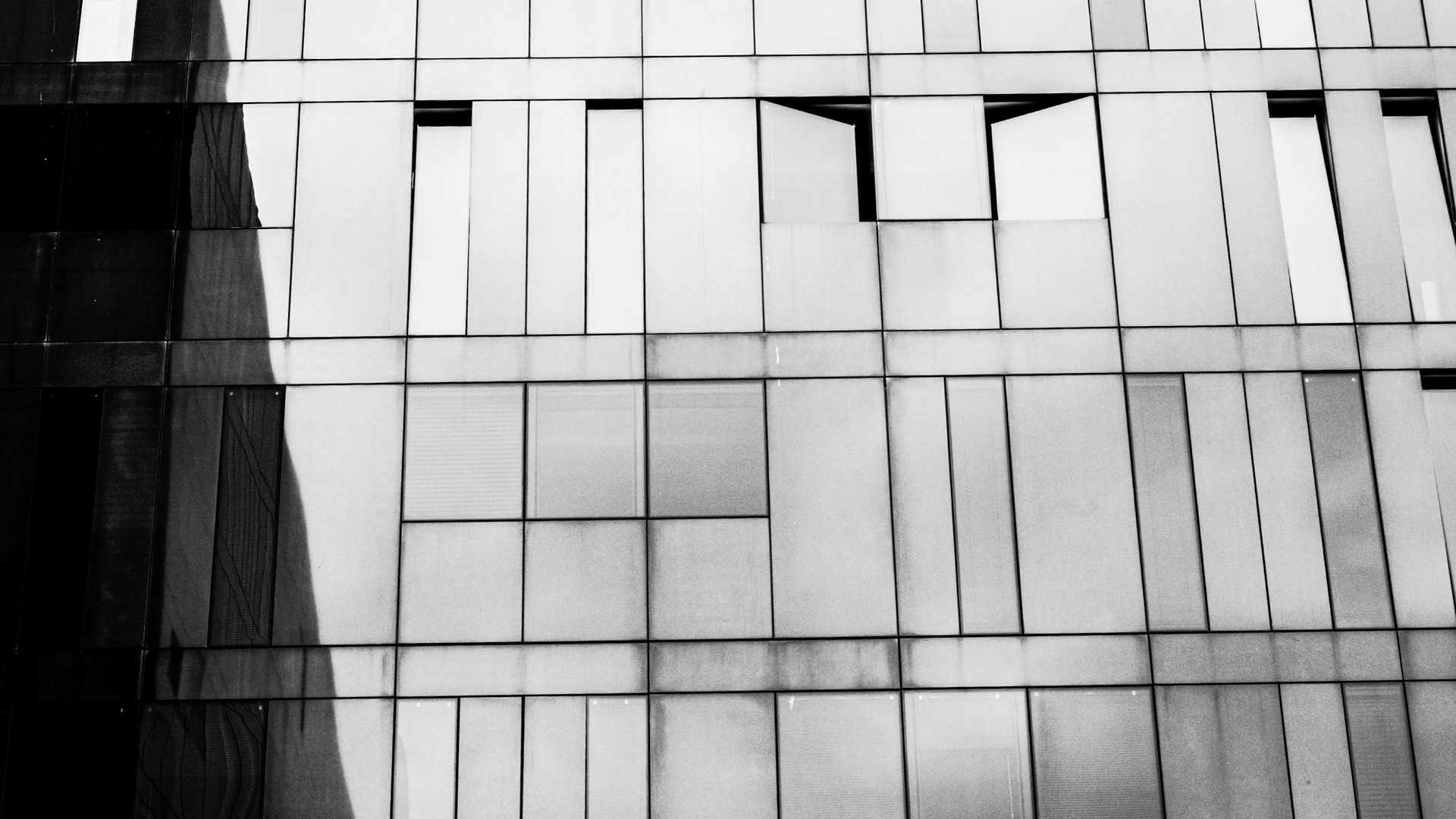
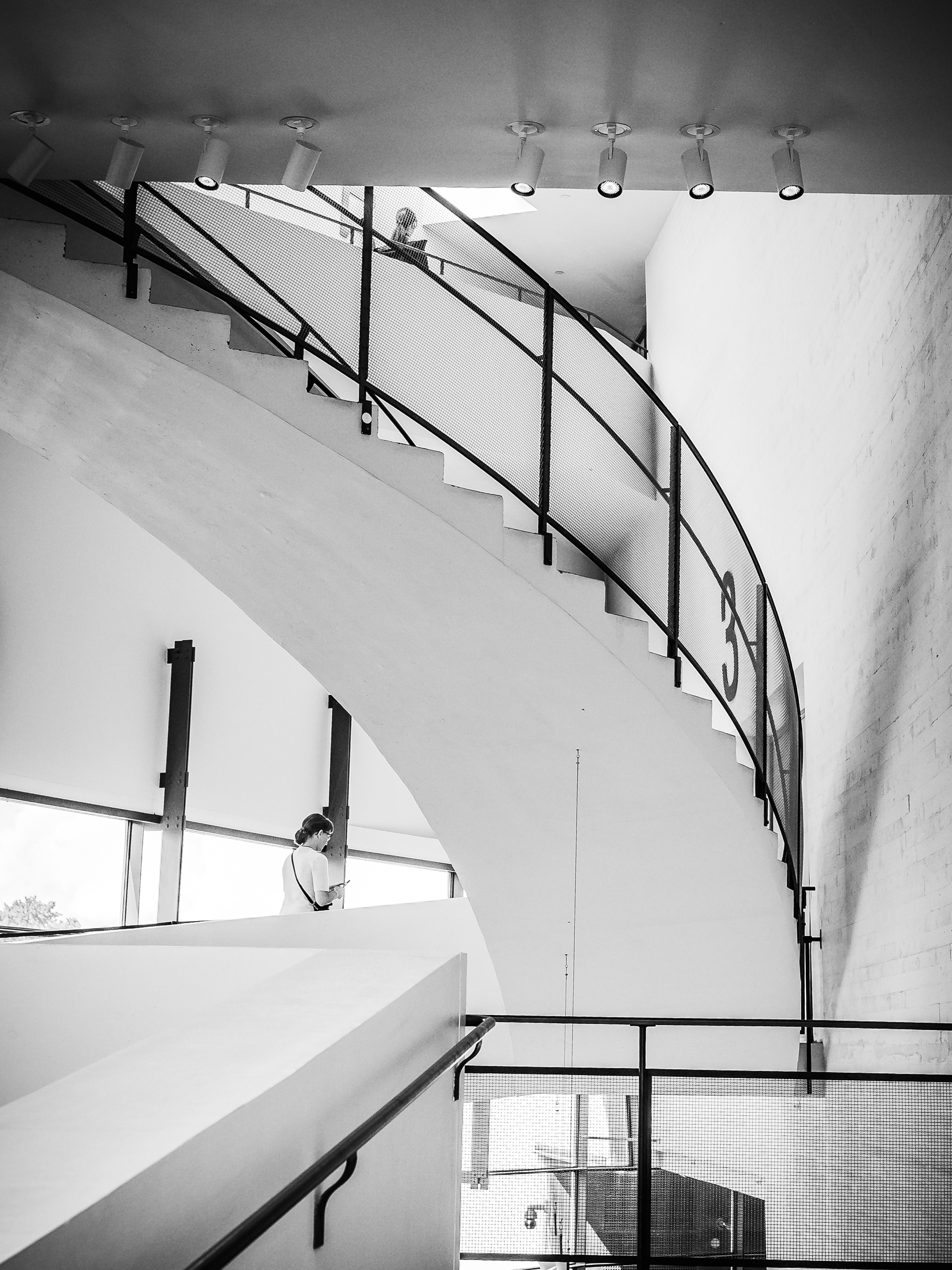
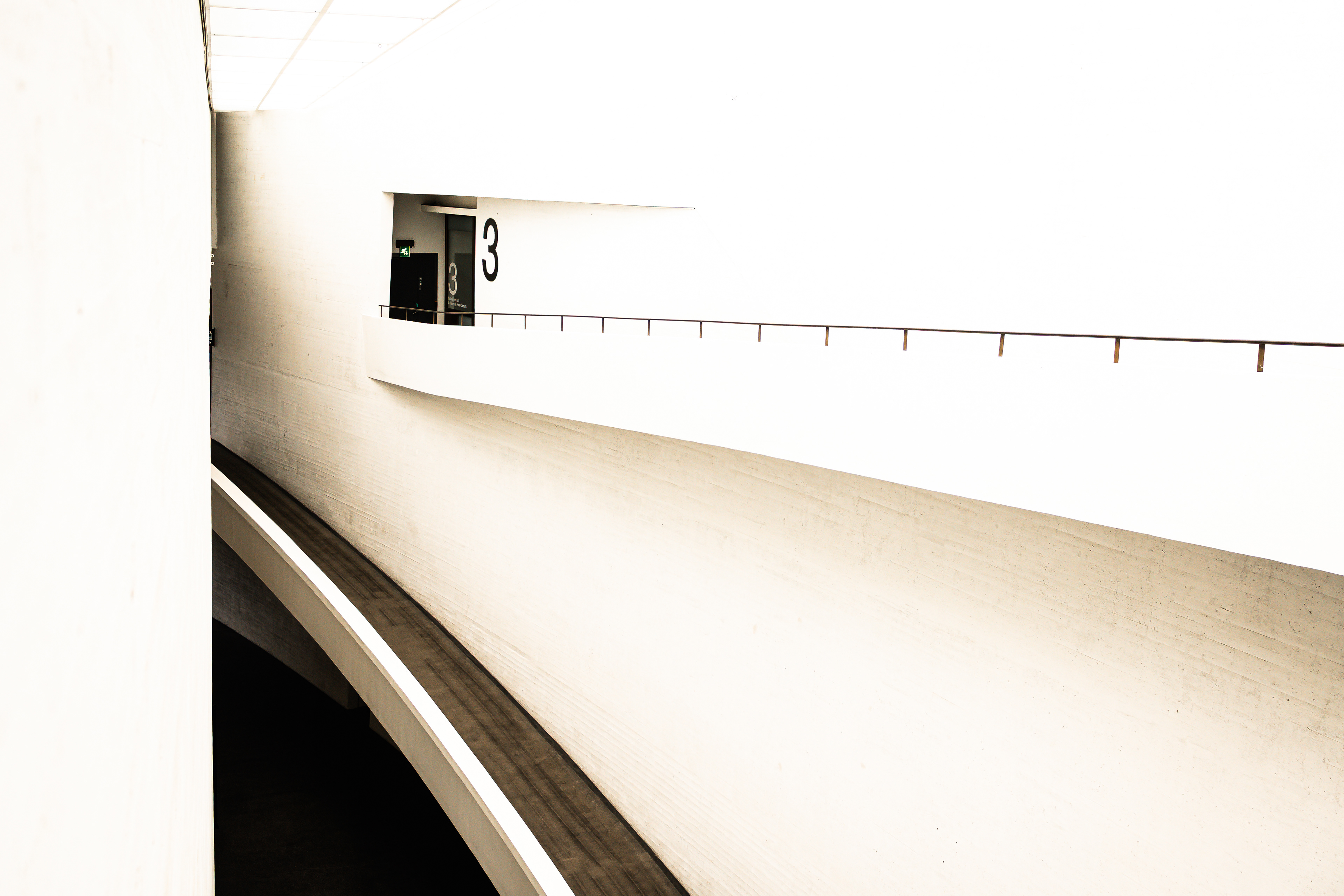
Kiasma was designed by American architect Steven Holl. It opened in 1998 and was created around ideas of light, movement, crossing and changing perspectives. The building has five floors of galleries with the architecture deliberately encouraging you to move through the space rather than simply walk from one rectangular gallery to another.
I was particularly impressed by the modern architecture and what I would describe as a very Nordic sense of design - clean, restrained and functional. It also at the same time felt warm and highly considered.
There is something about Scandinavian / Nordic design that I find very appealing. There is rarely a feeling that something has been added simply for decoration. Materials, light, space and function seem to have equal importance.
Kiasma also houses a specialist contemporary art library on the fifth floor, alongside its galleries, theatre, café and other facilities. The library is part of the Finnish National Gallery's wider research and collection activity, and can be visited independently of the museum exhibitions.
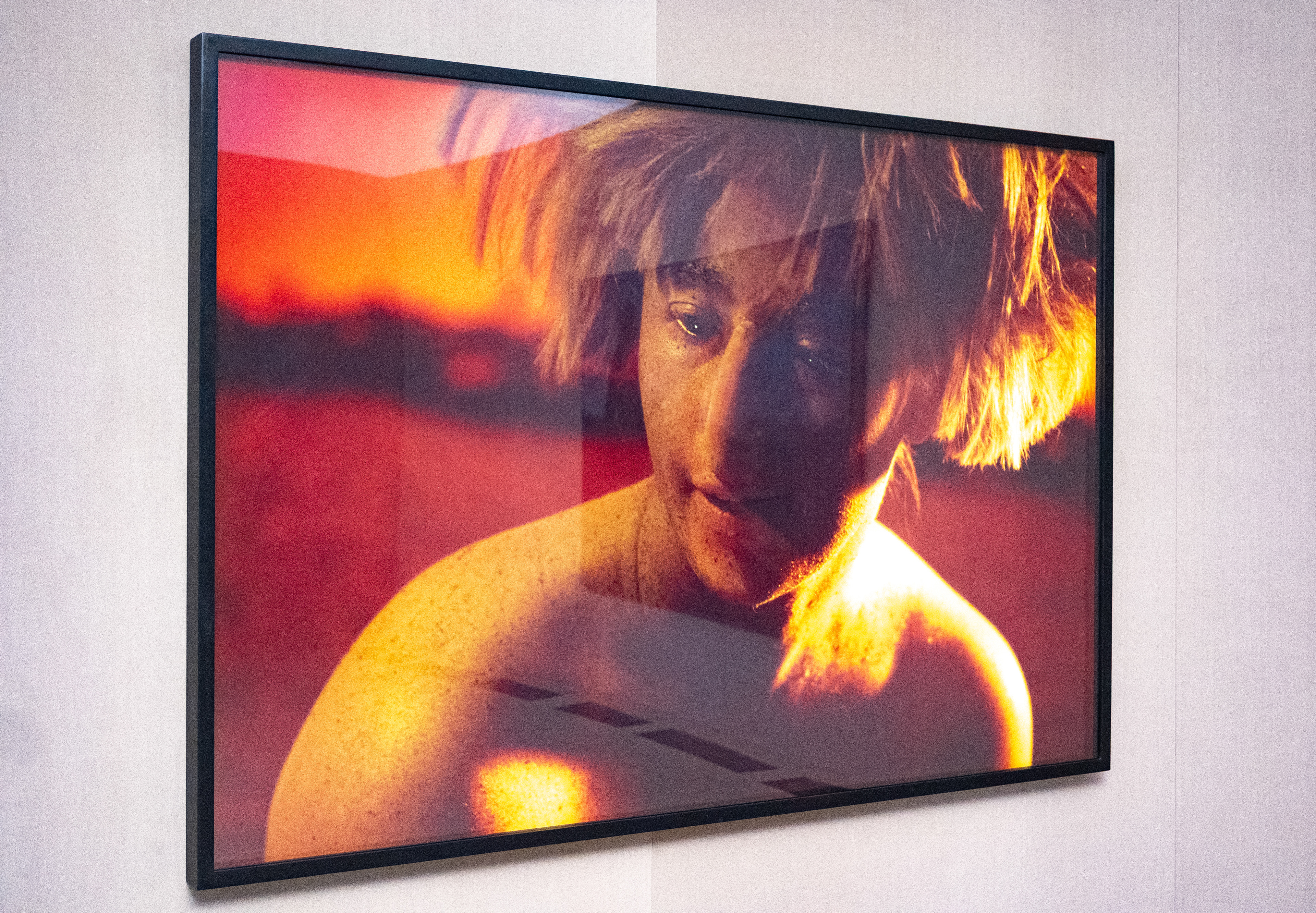
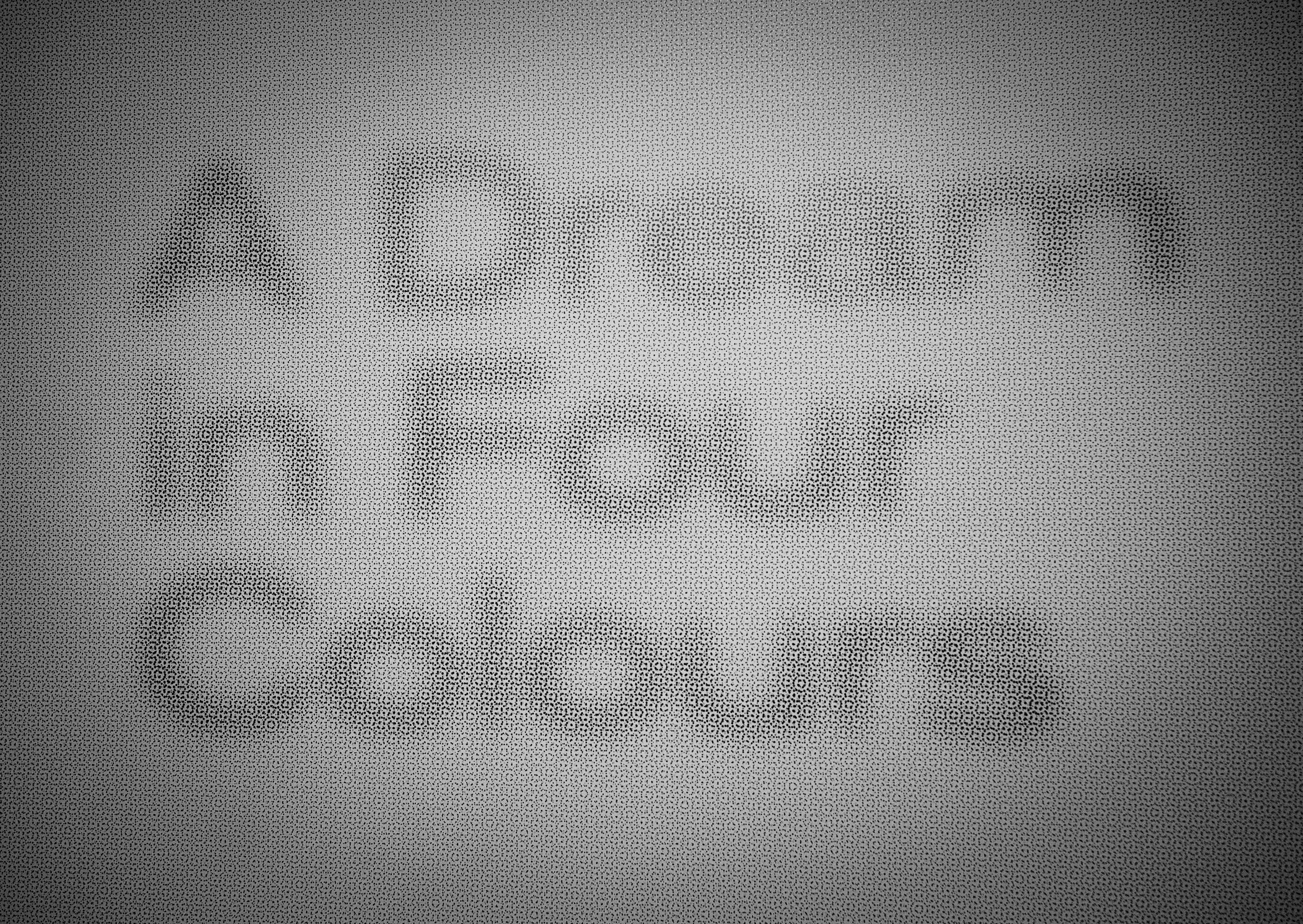
A Dream in Four Colours
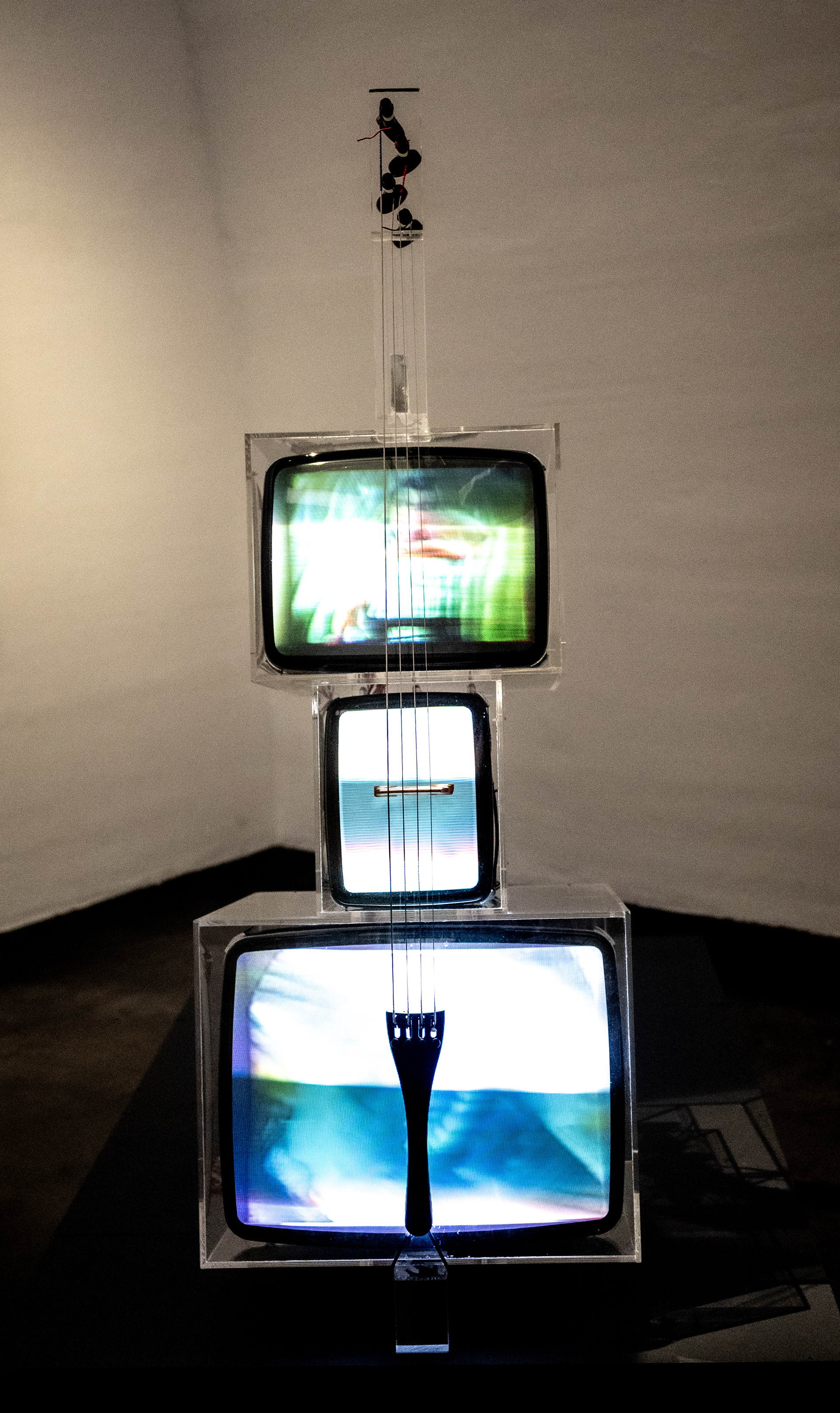
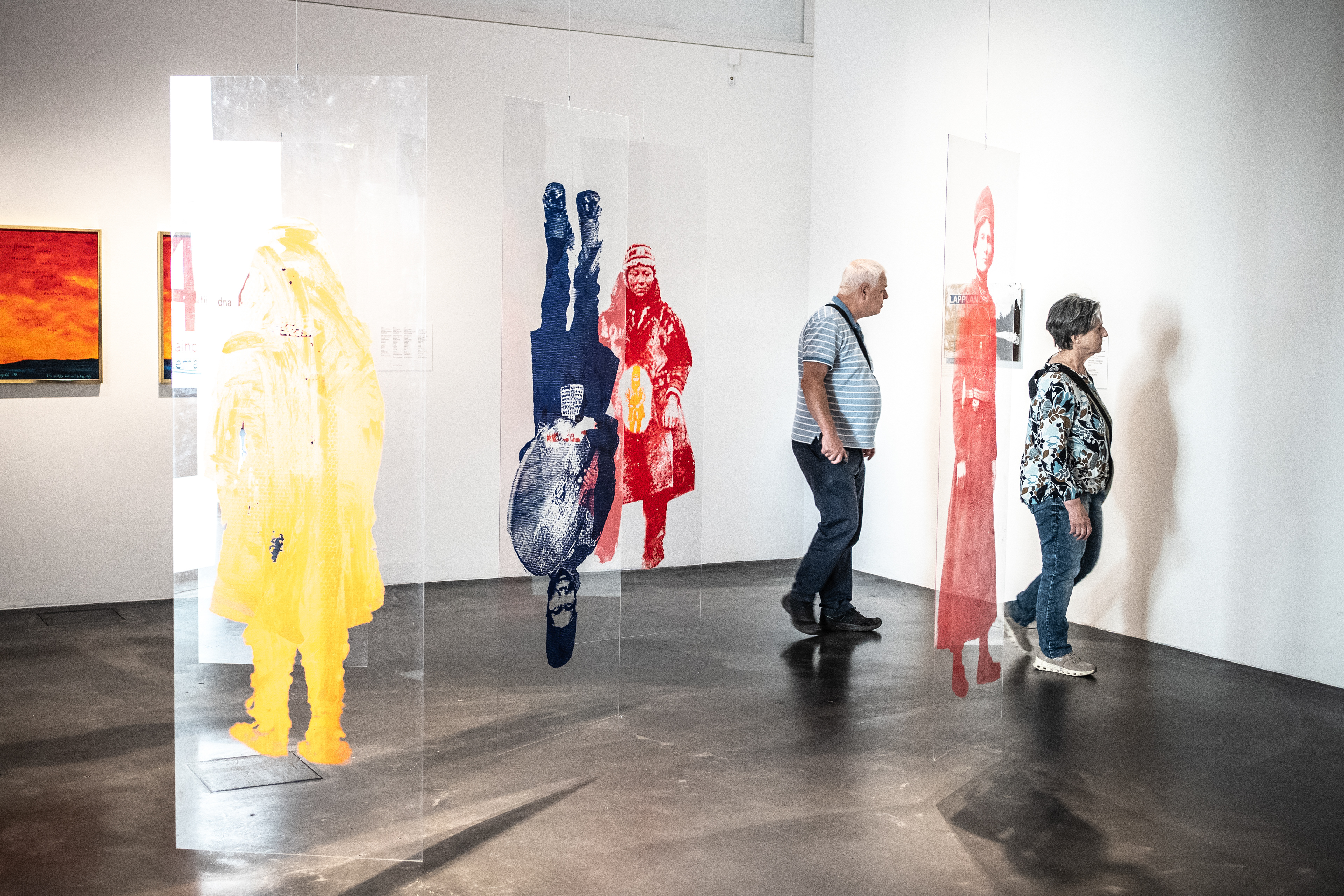
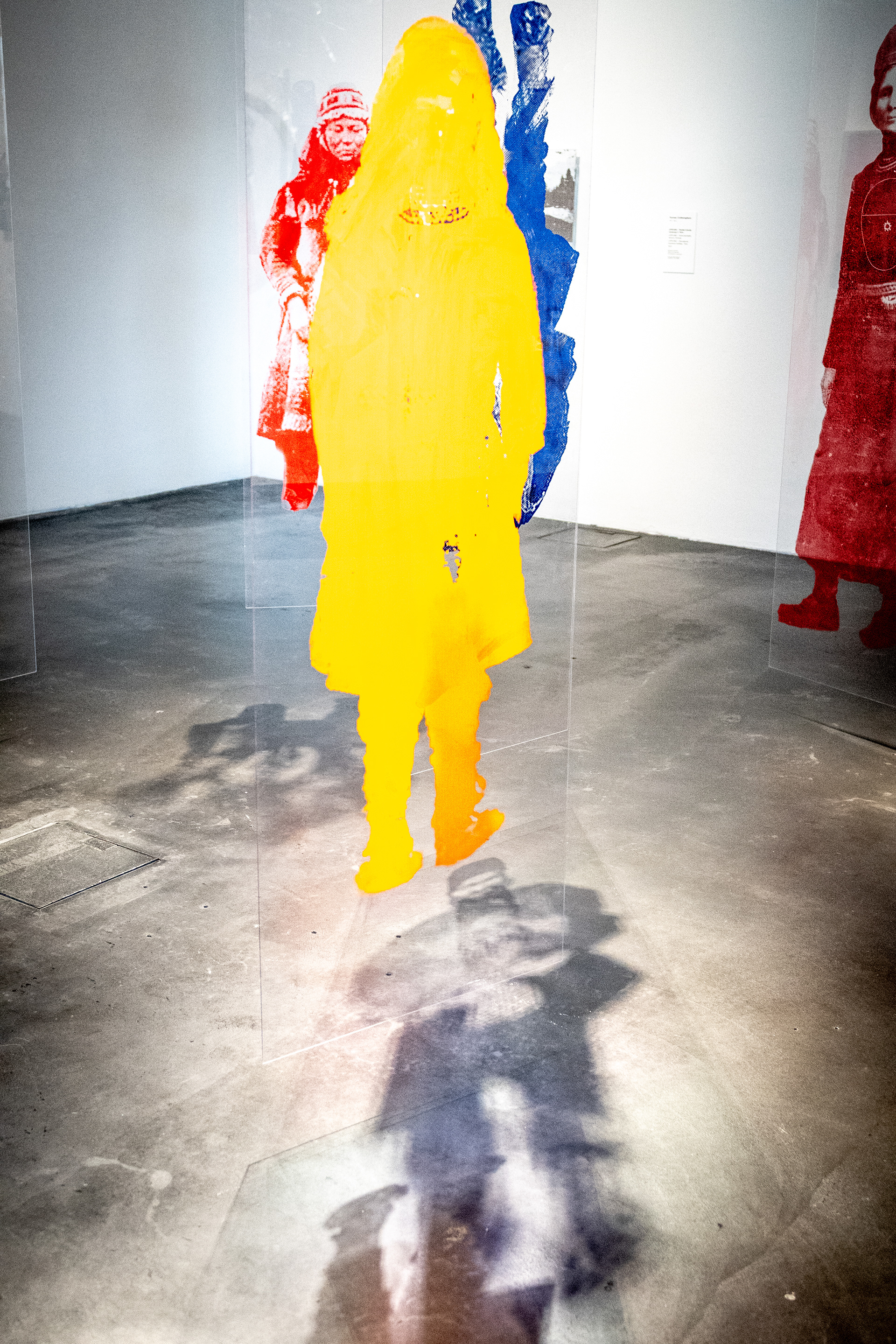
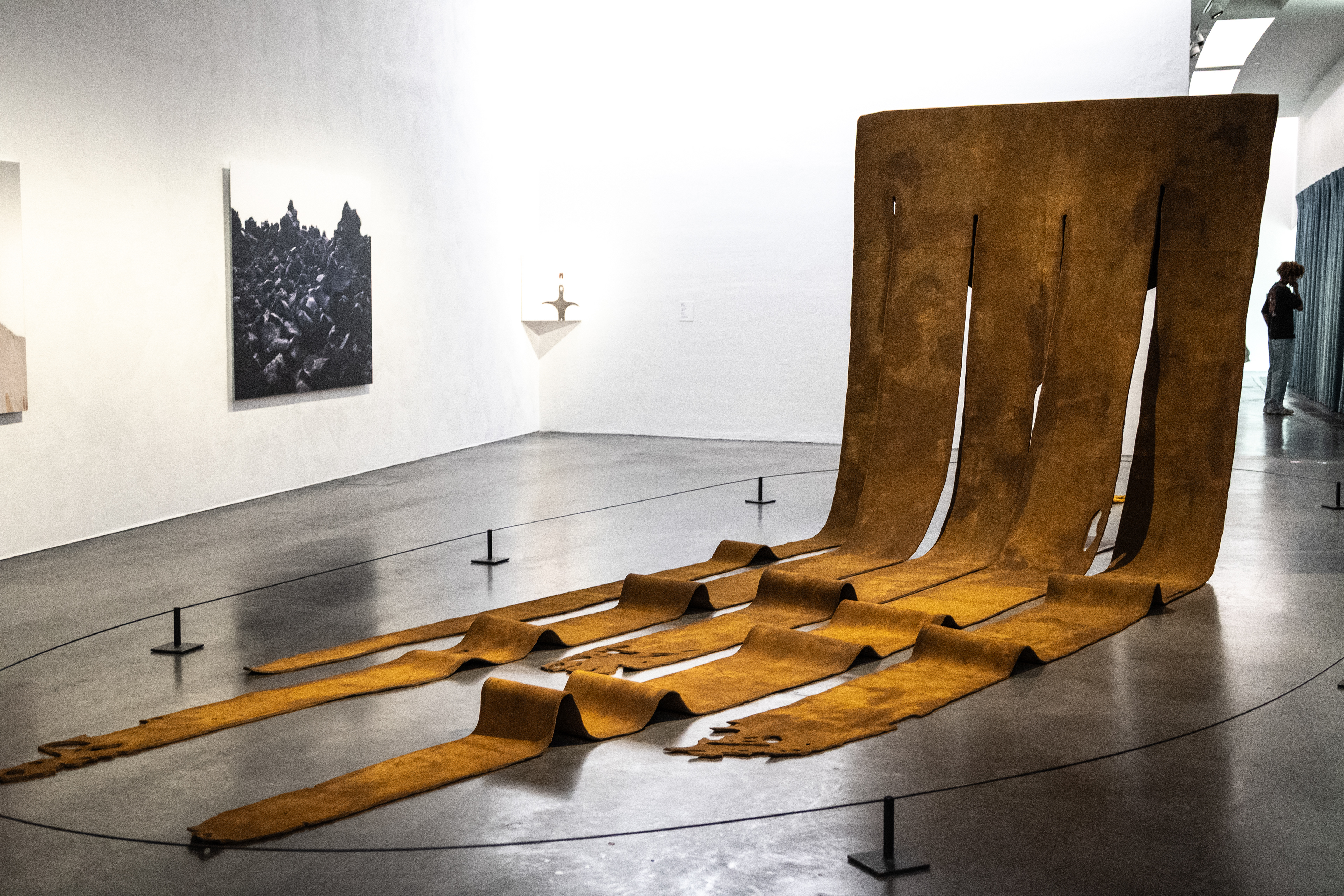
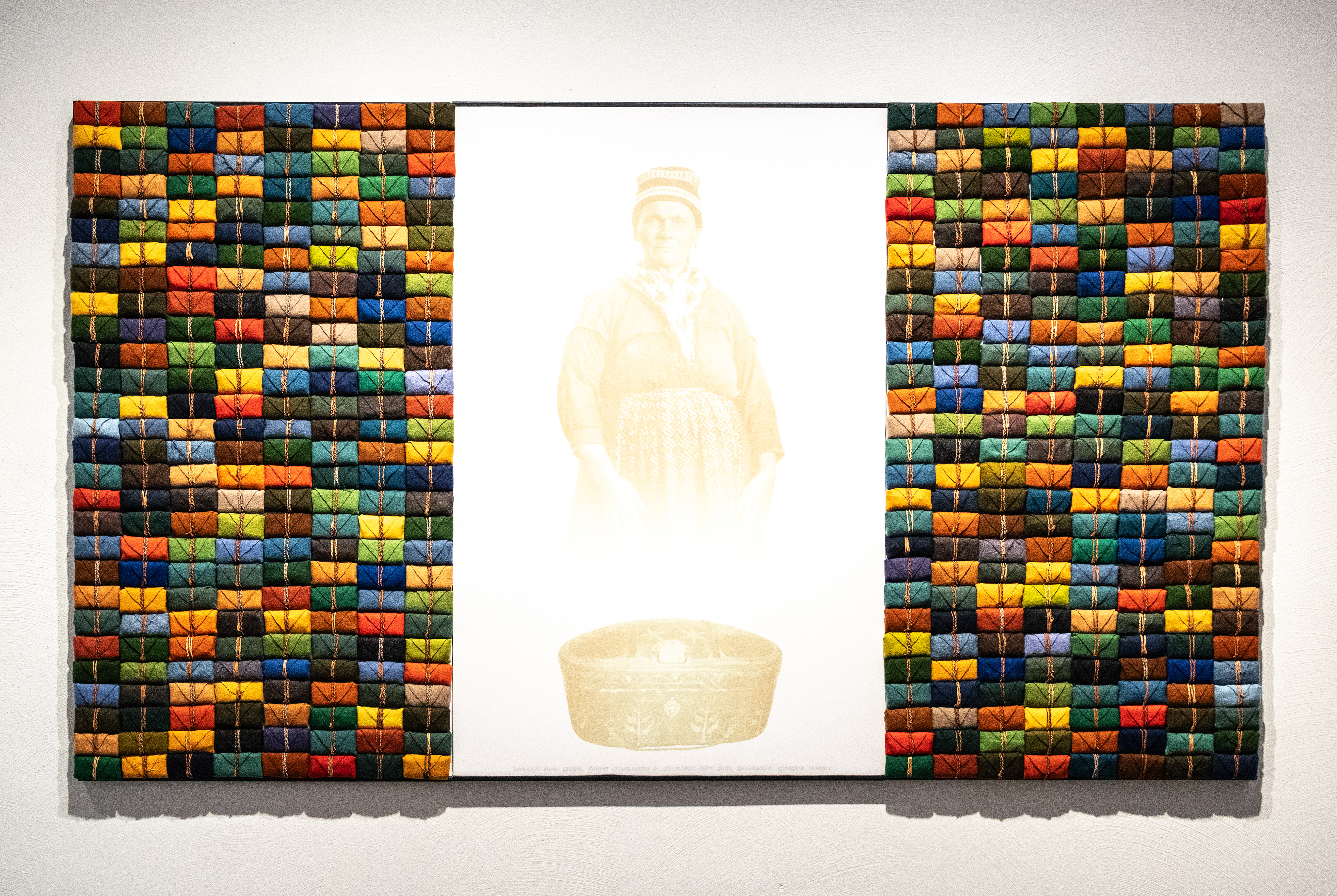
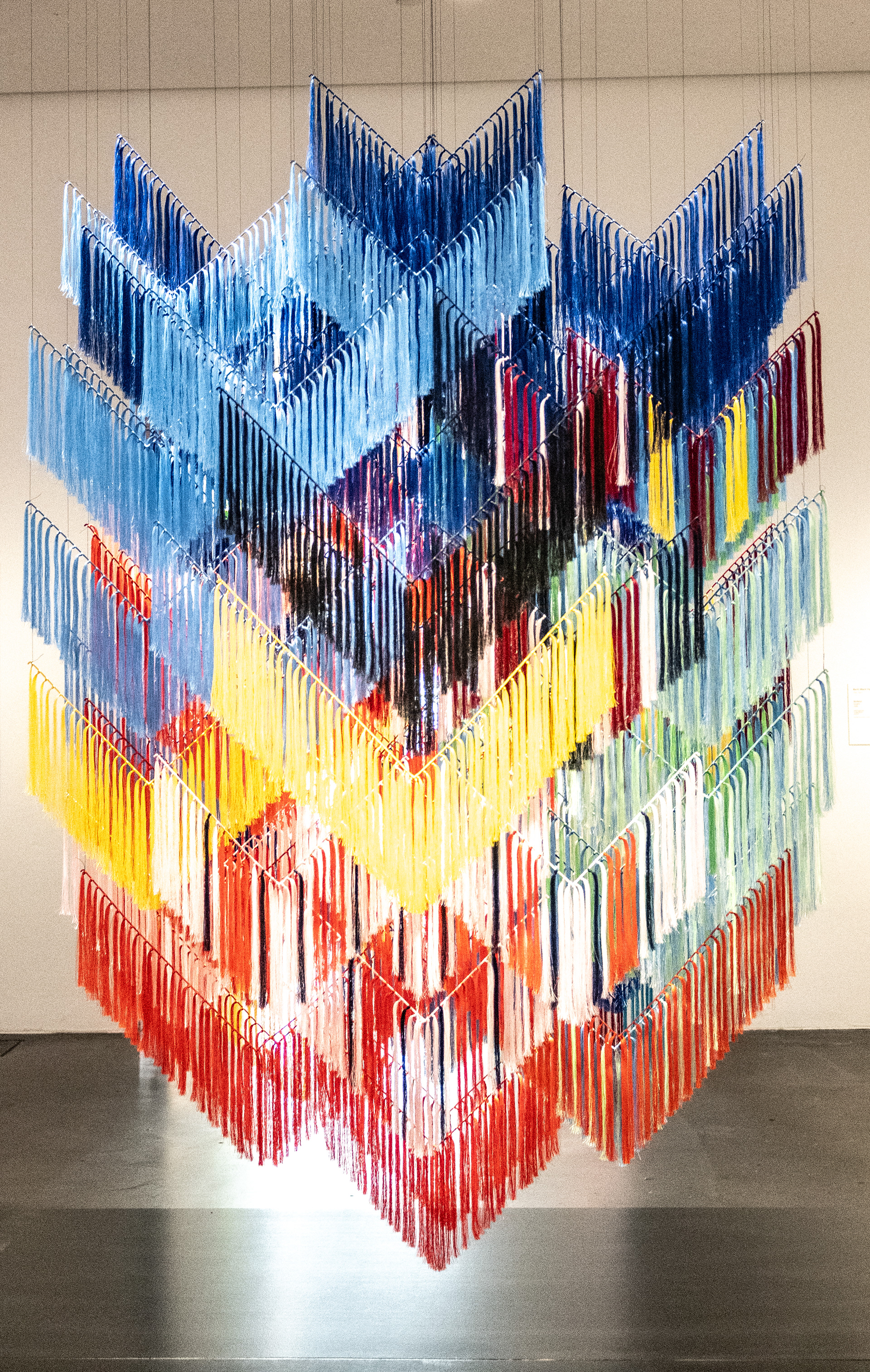
One of the exhibitions on was 'A Dream in Four Colours' - a collection exhibition spread across the second and third floors.
The exhibition encourages visitors to move through a series of fragmentary and sometimes surprising encounters - much like remembering pieces of a dream.
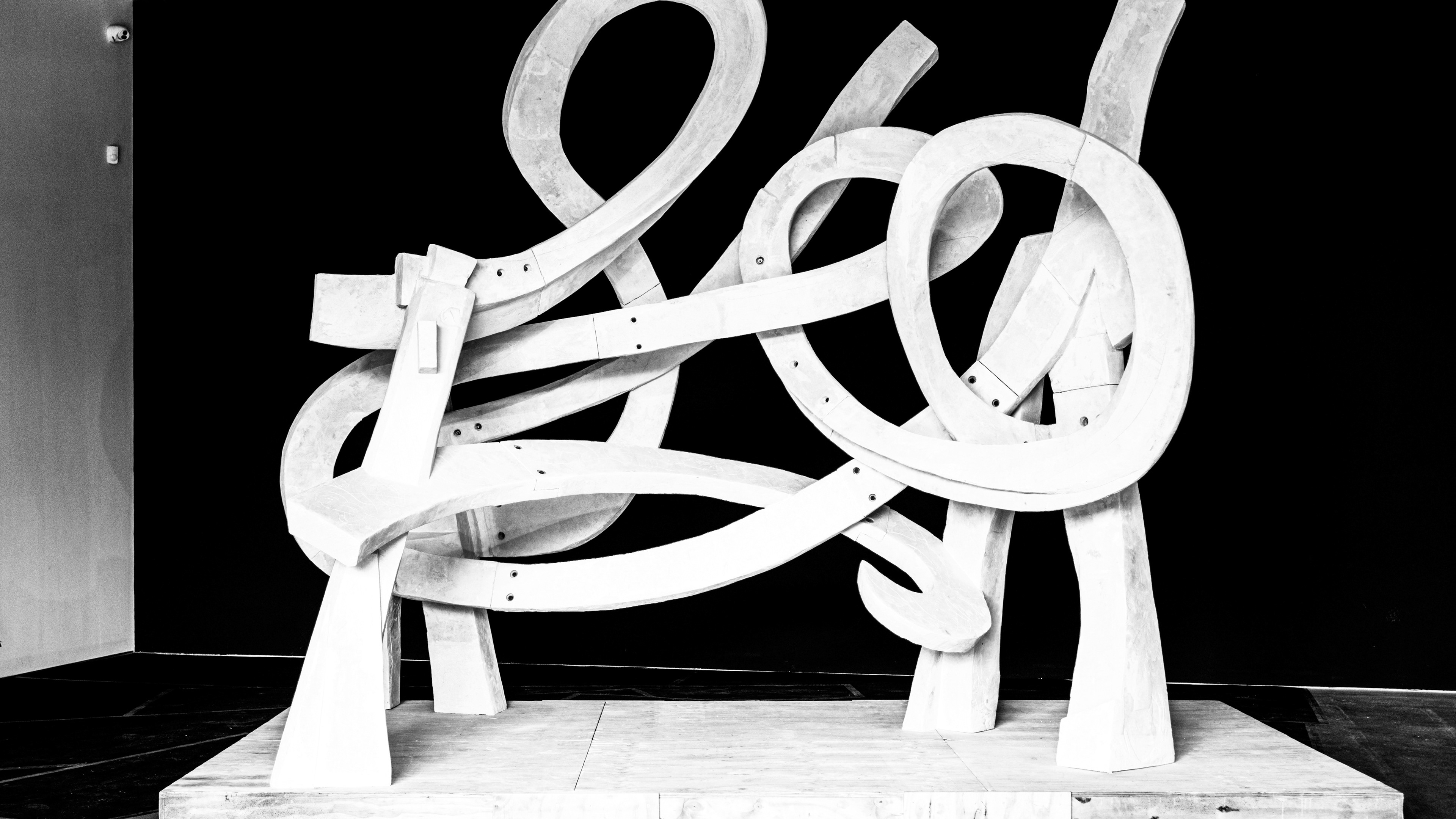
The exhibition brings together selections from the Finnish National Gallery's contemporary collection, with work by 49 artists. Among the artists represented are Louise Bourgeois, Cindy Sherman and Frank Stella. Artworks were exhibited alongside a much wider range of international and Finnish artists.
What interested me was the idea that the exhibition doesn't necessarily ask you to find one particular meaning in everything you see.
Instead, it encourages a more instinctive response.
That is something I relate to in my own work. When I am making film or photographic work, I am often interested in atmosphere, repetition, sound, movement and the way separate images can sit alongside one another without necessarily explaining themselves.
A Dream in Four Colours seemed to work in a similar way. One work leads you towards another, and the meaning can shift depending on what you have just experienced.
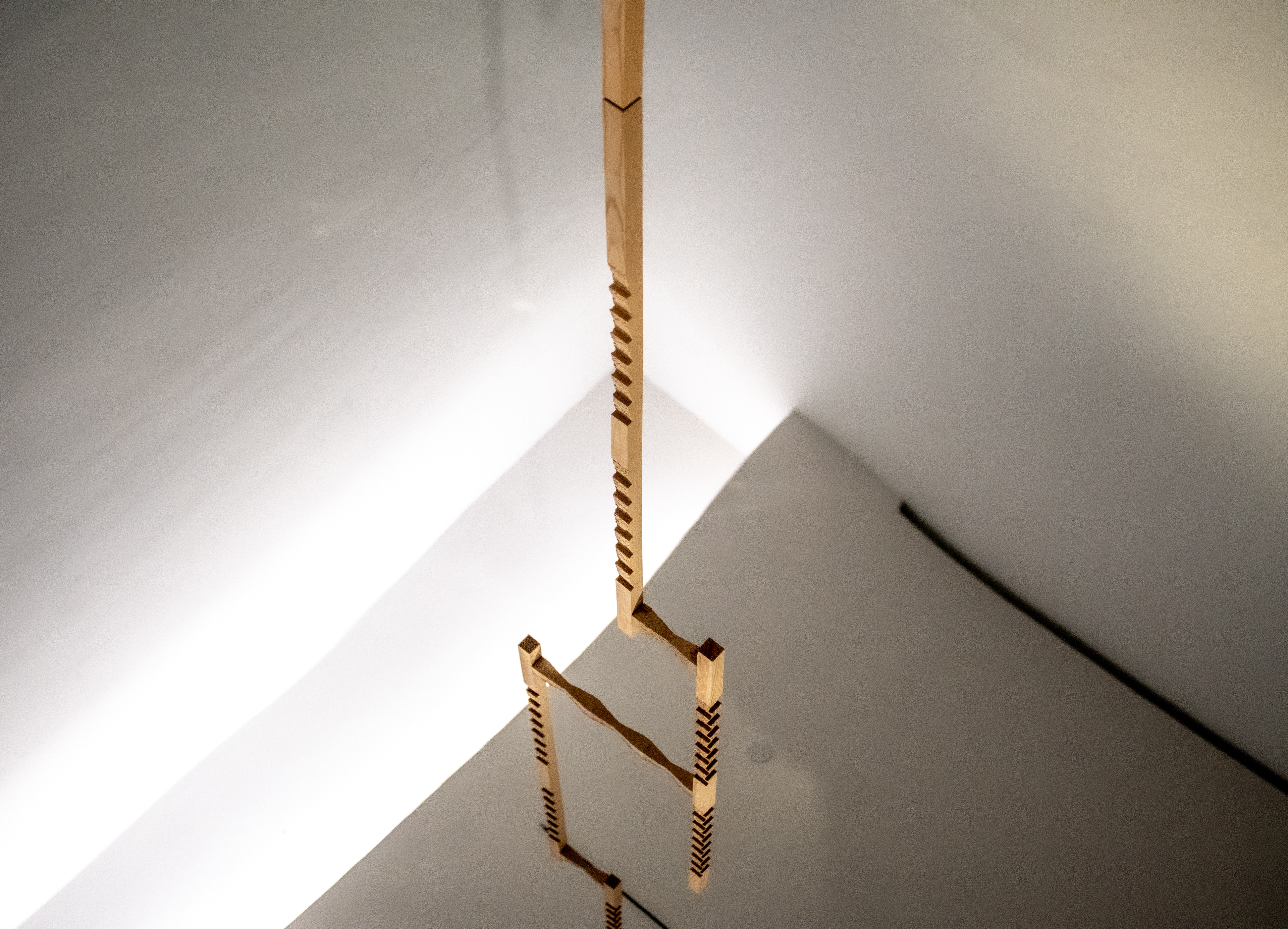
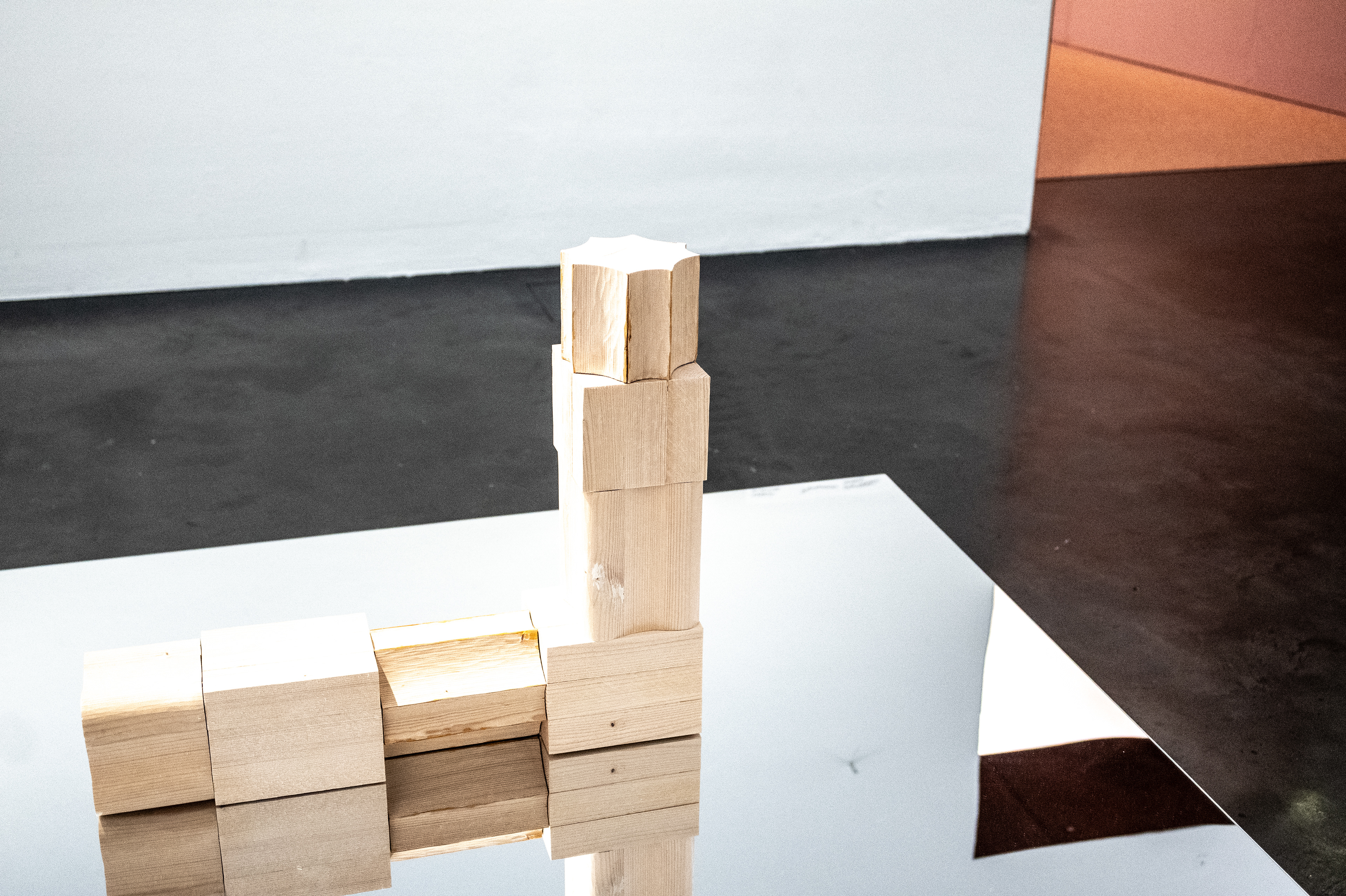
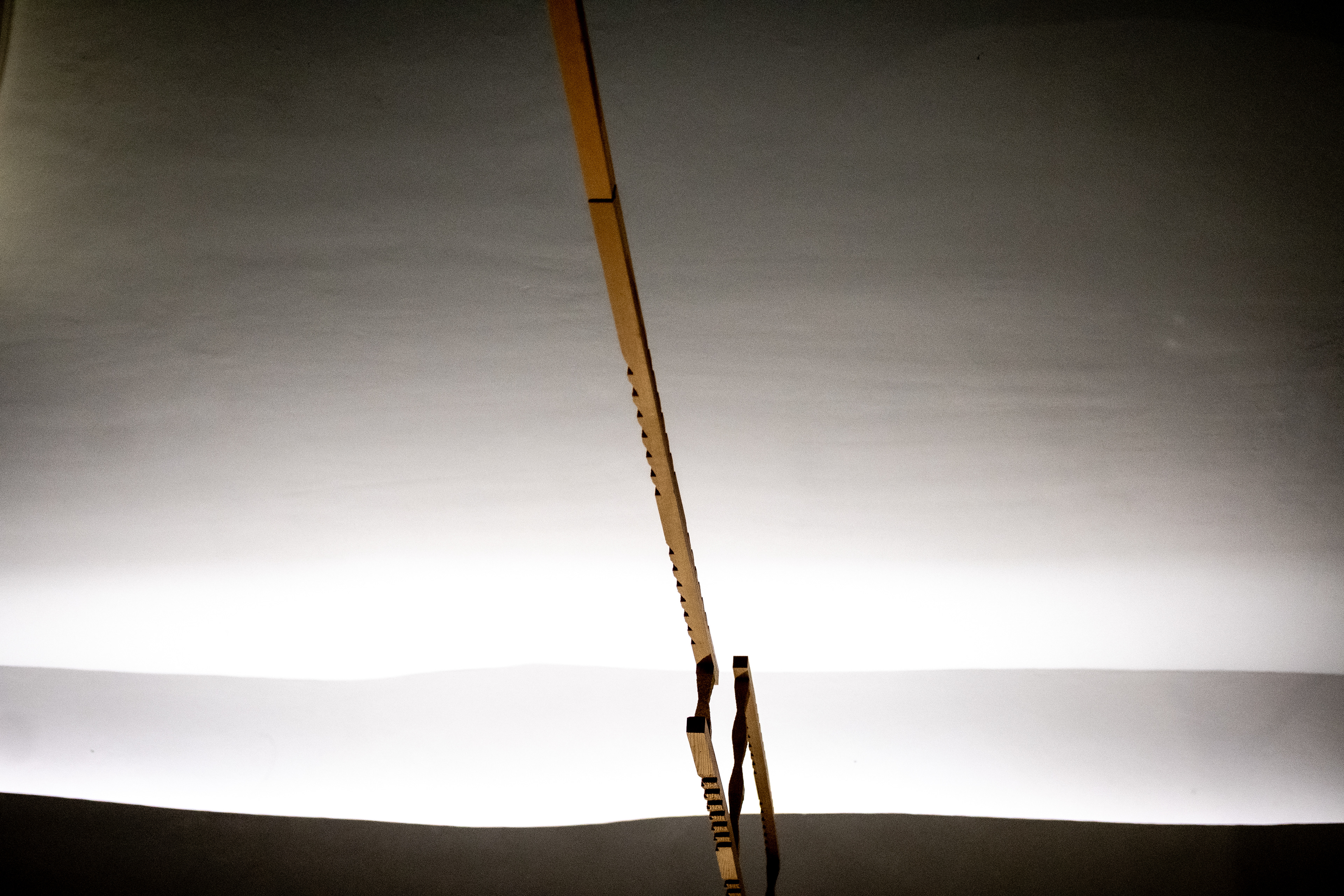
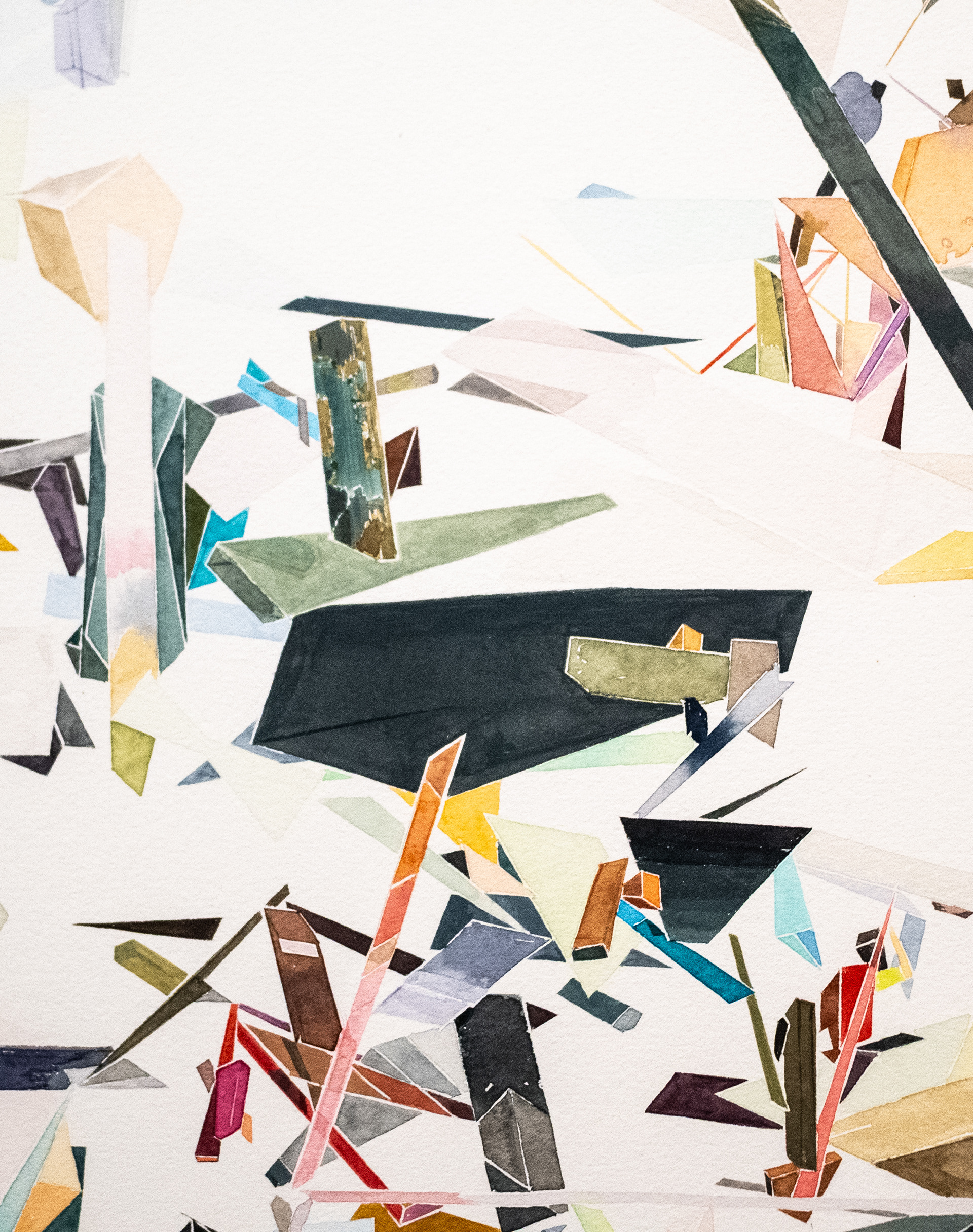
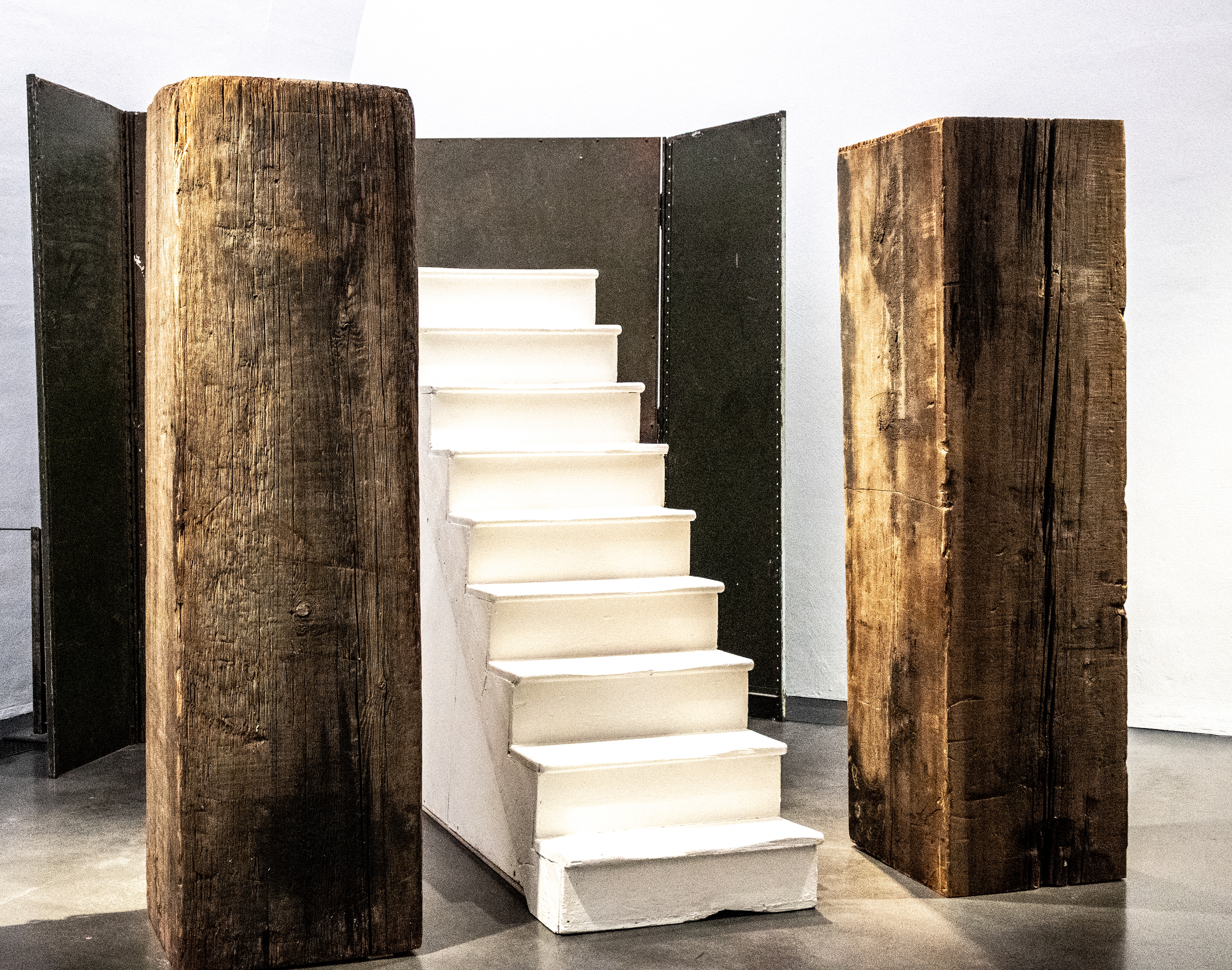
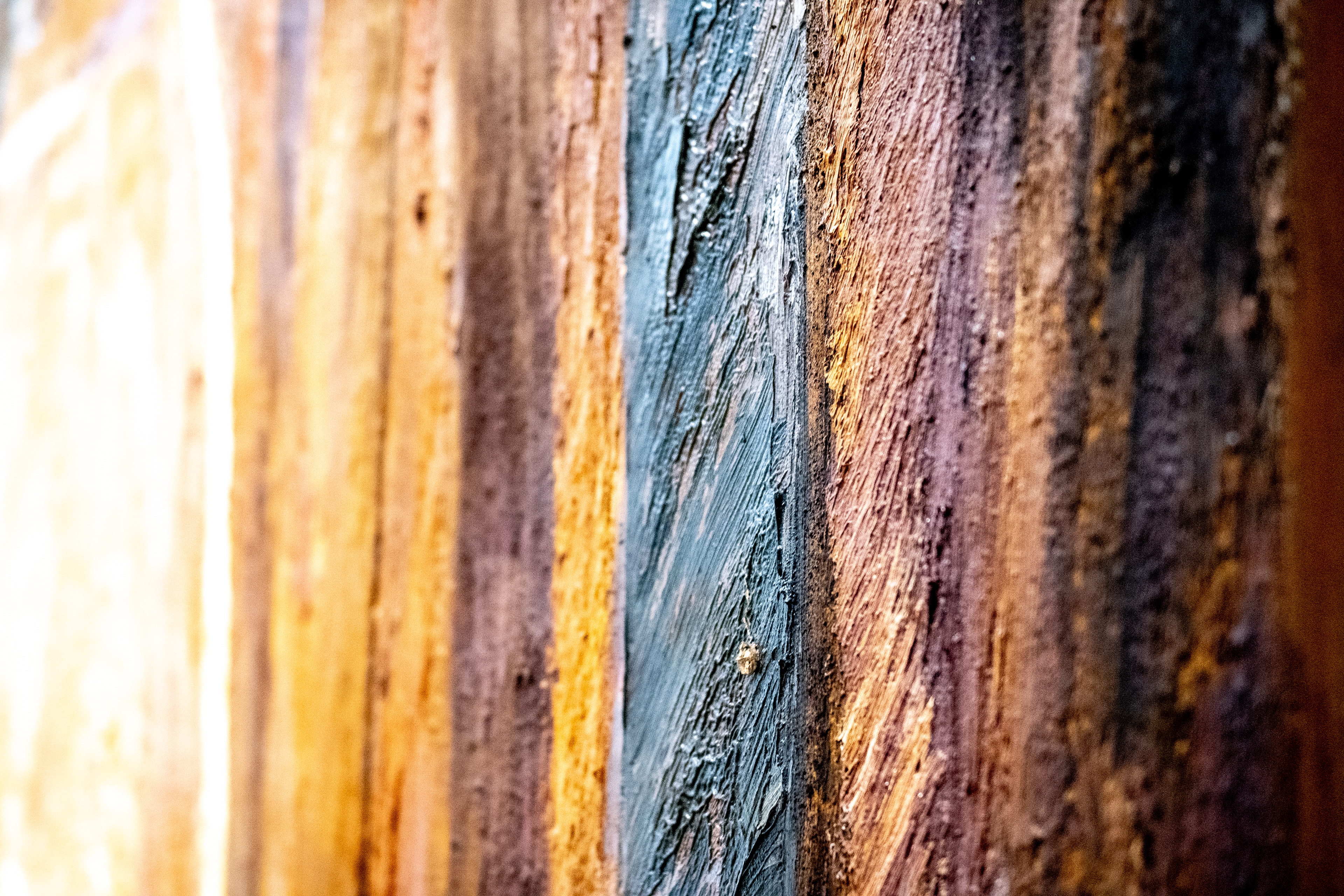
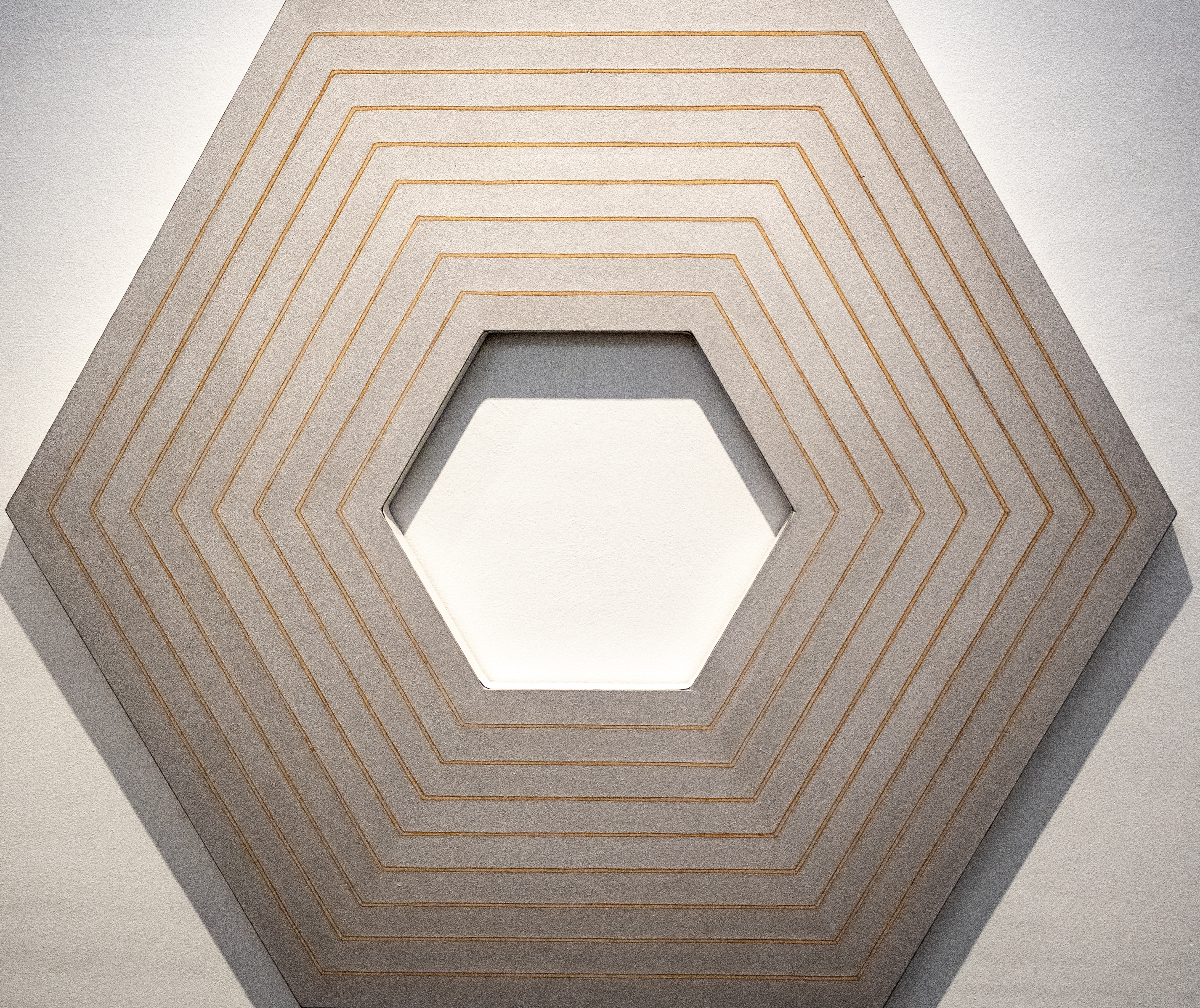
Louise Bourgeois, Cindy Sherman and Frank Stella
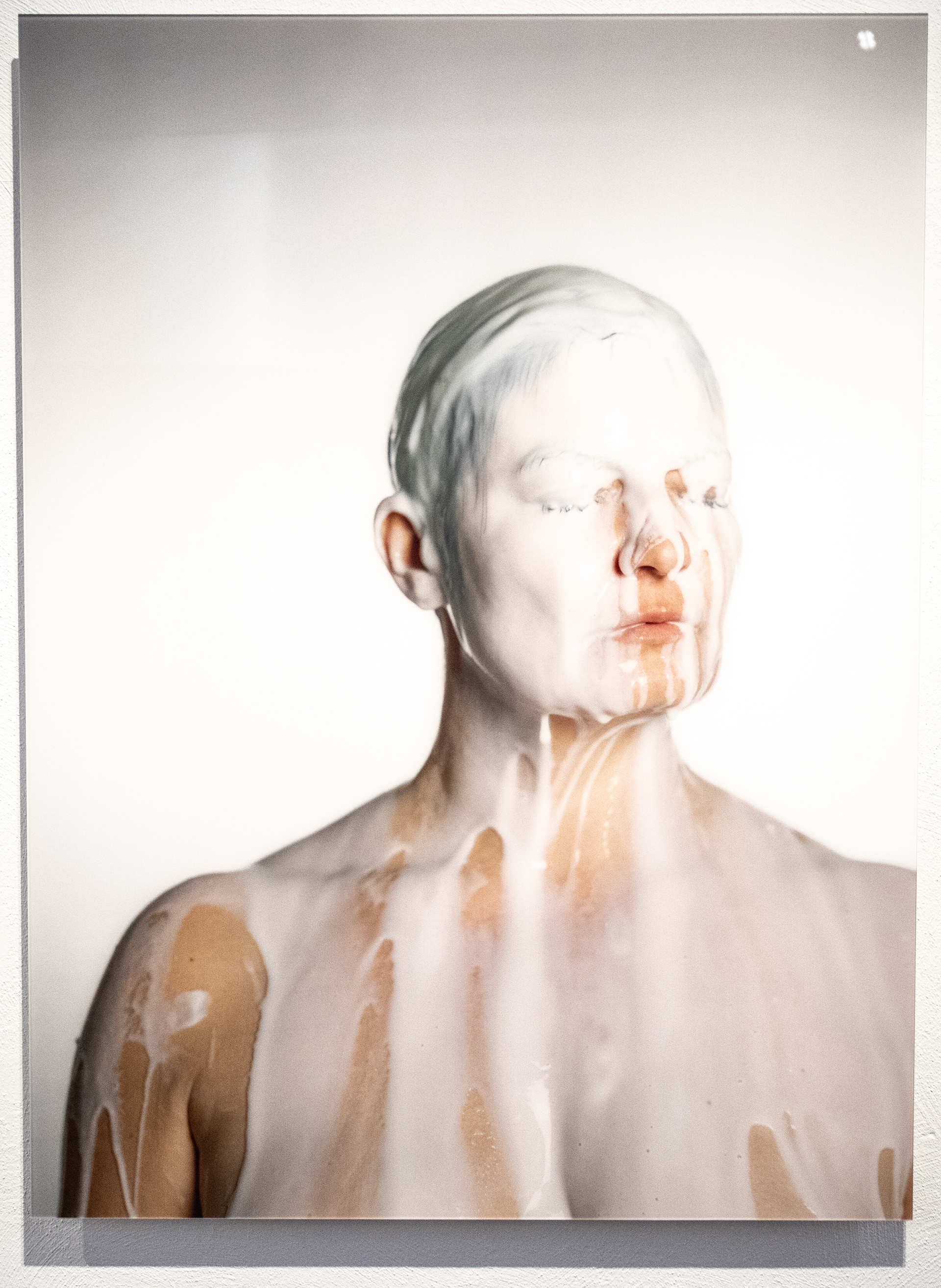
Seeing artists such as Louise Bourgeois, Cindy Sherman and Frank Stella together was also a reminder of how broad the definition of contemporary art can be.
Bourgeois has always fascinated me because of the psychological weight within herwork - the way her large sculptures can become connected to memory, relationships, the body and a personal experience.
Cindy Sherman approaches the image from a very different direction. She uses using photography, identity, costume and constructed characters to question how we see ourselves and how women in particular, have been represented.
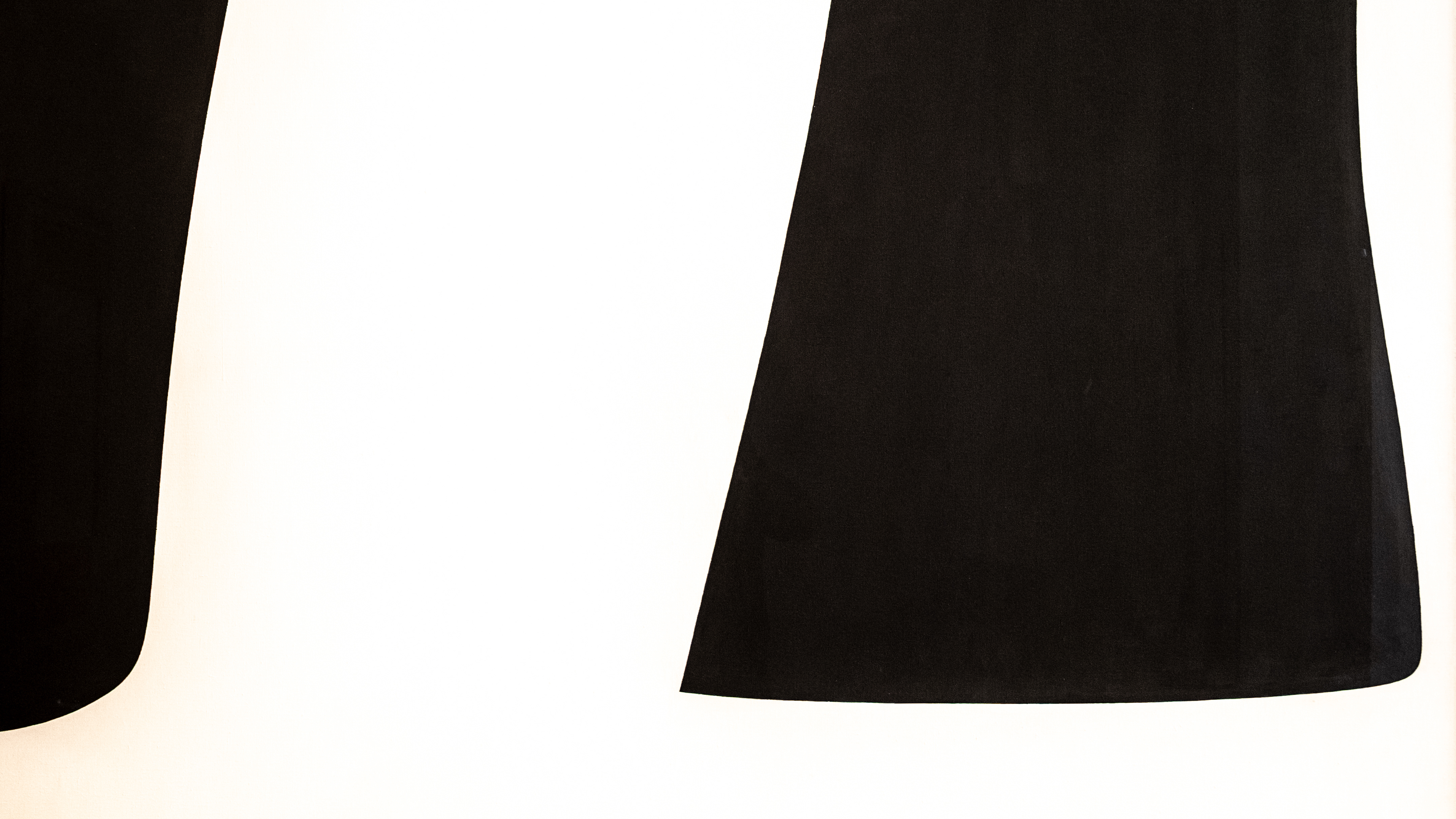
Frank Stella's work takes yet another route, concentrating on structure, geometry, colour and the physical qualities of the artwork.
It demonstrates that contemporary art doesn't have to fit into one particular visual language and using different practice's crates an interesting dialogue.
Dawn till Dawn
It was the exhibition on the top floor that really stopped me in my tracks.
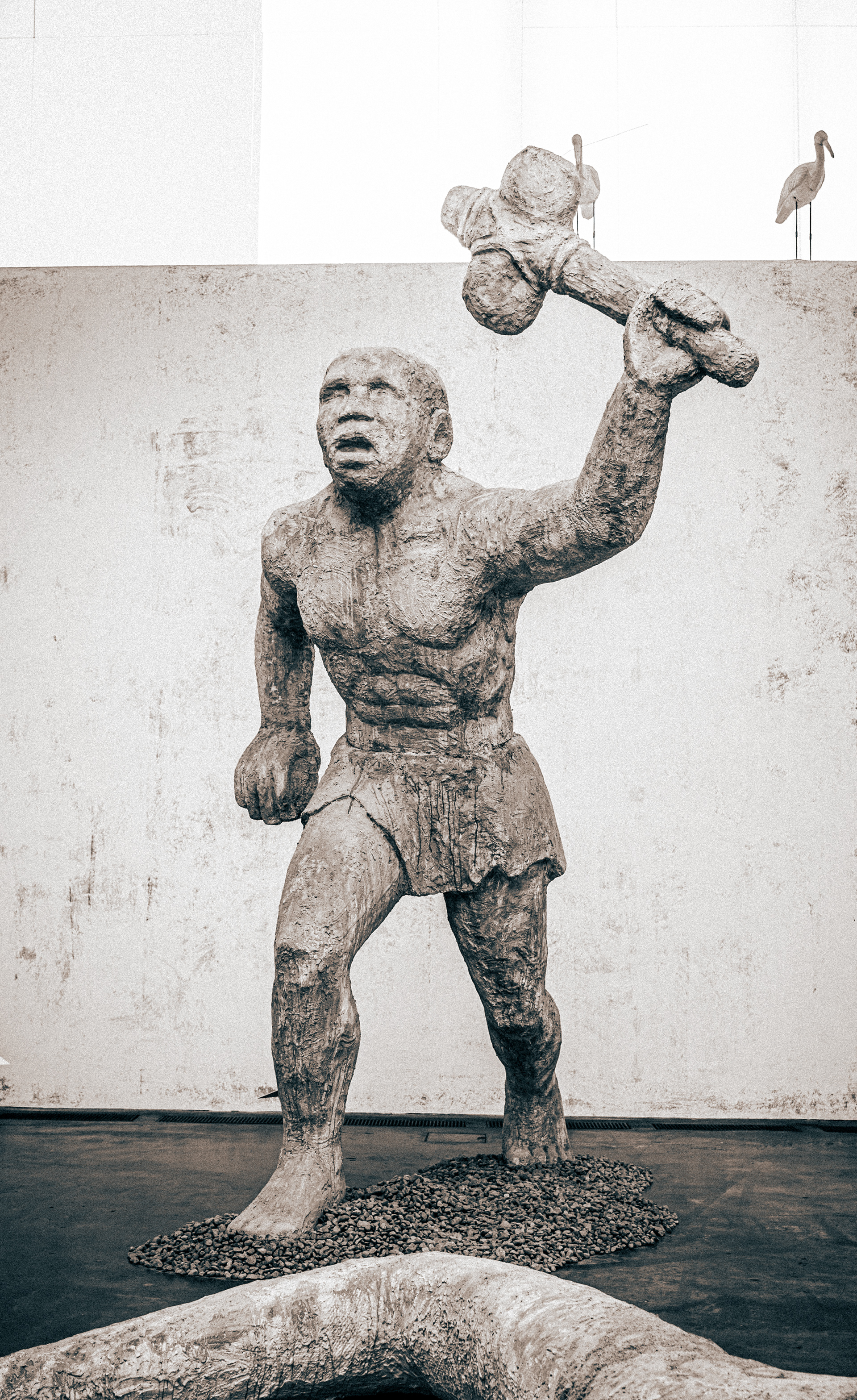
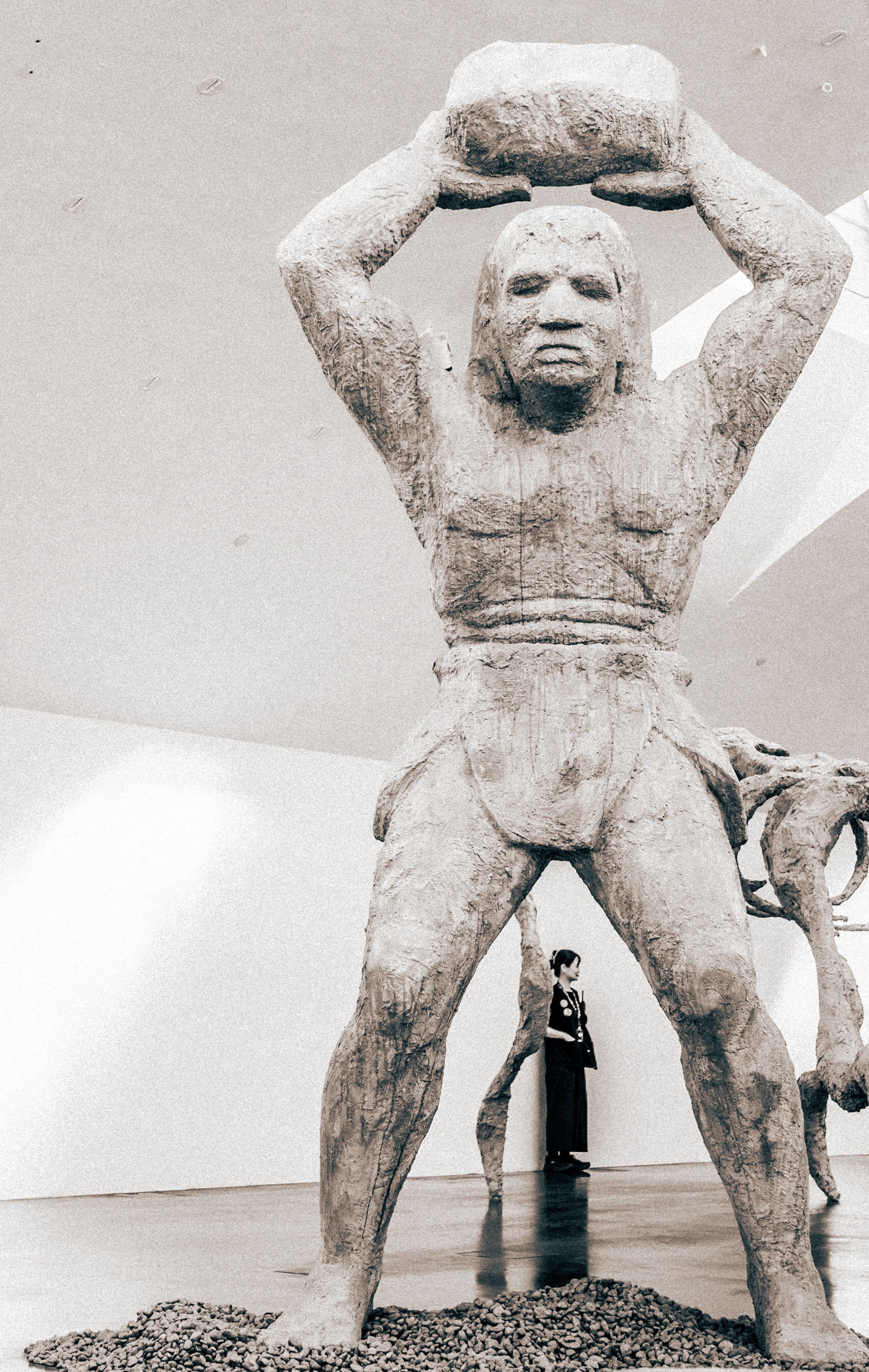
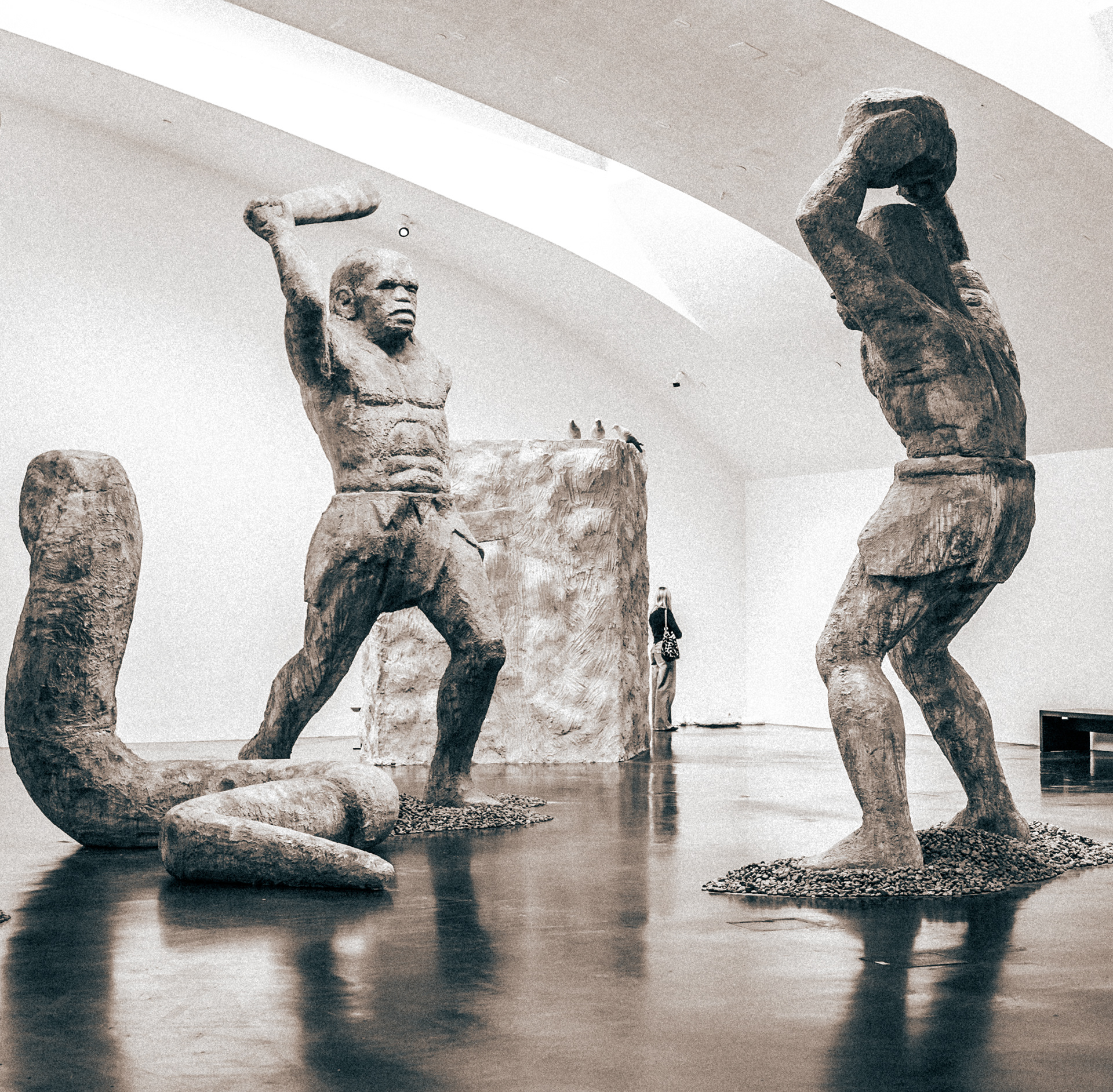
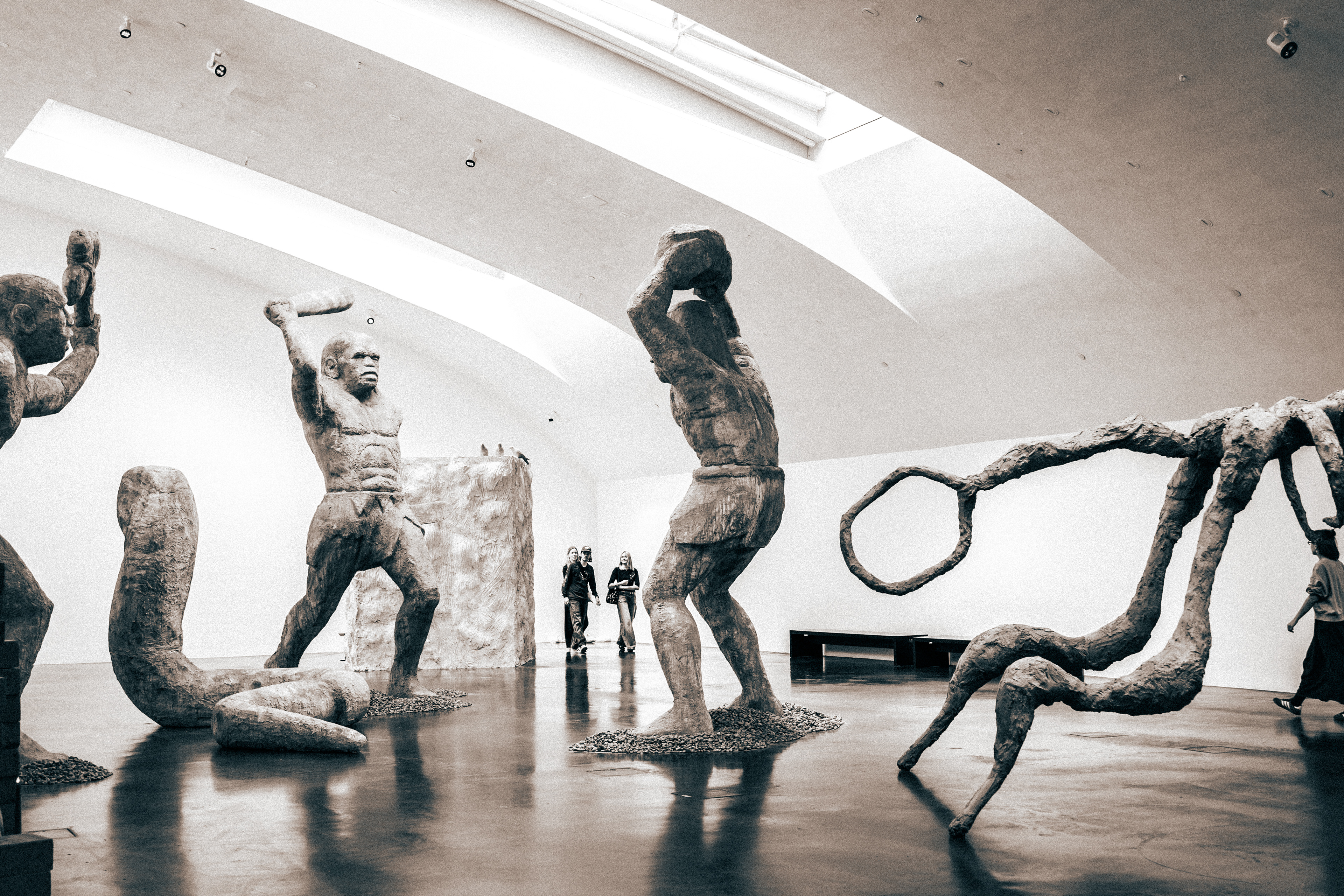
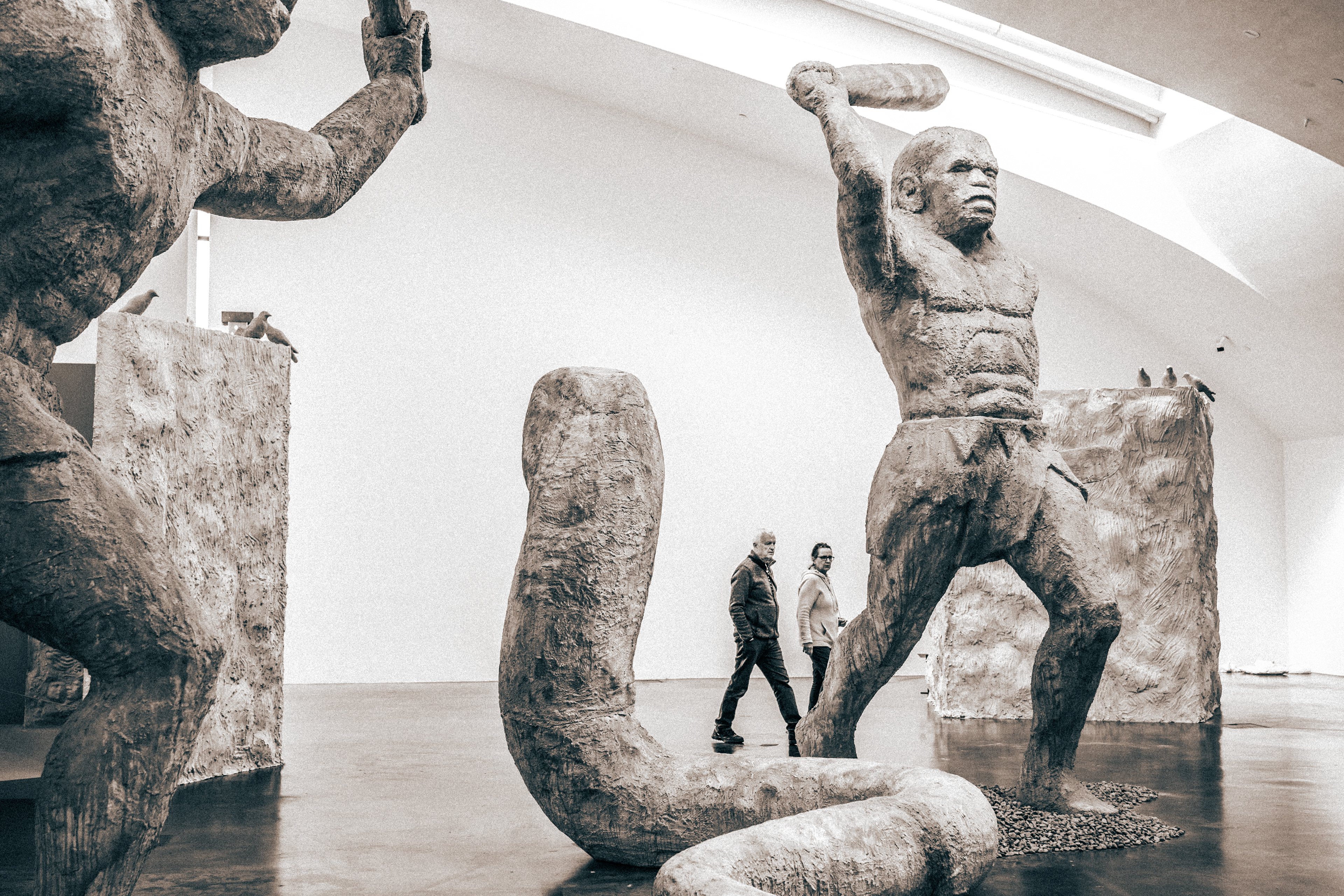
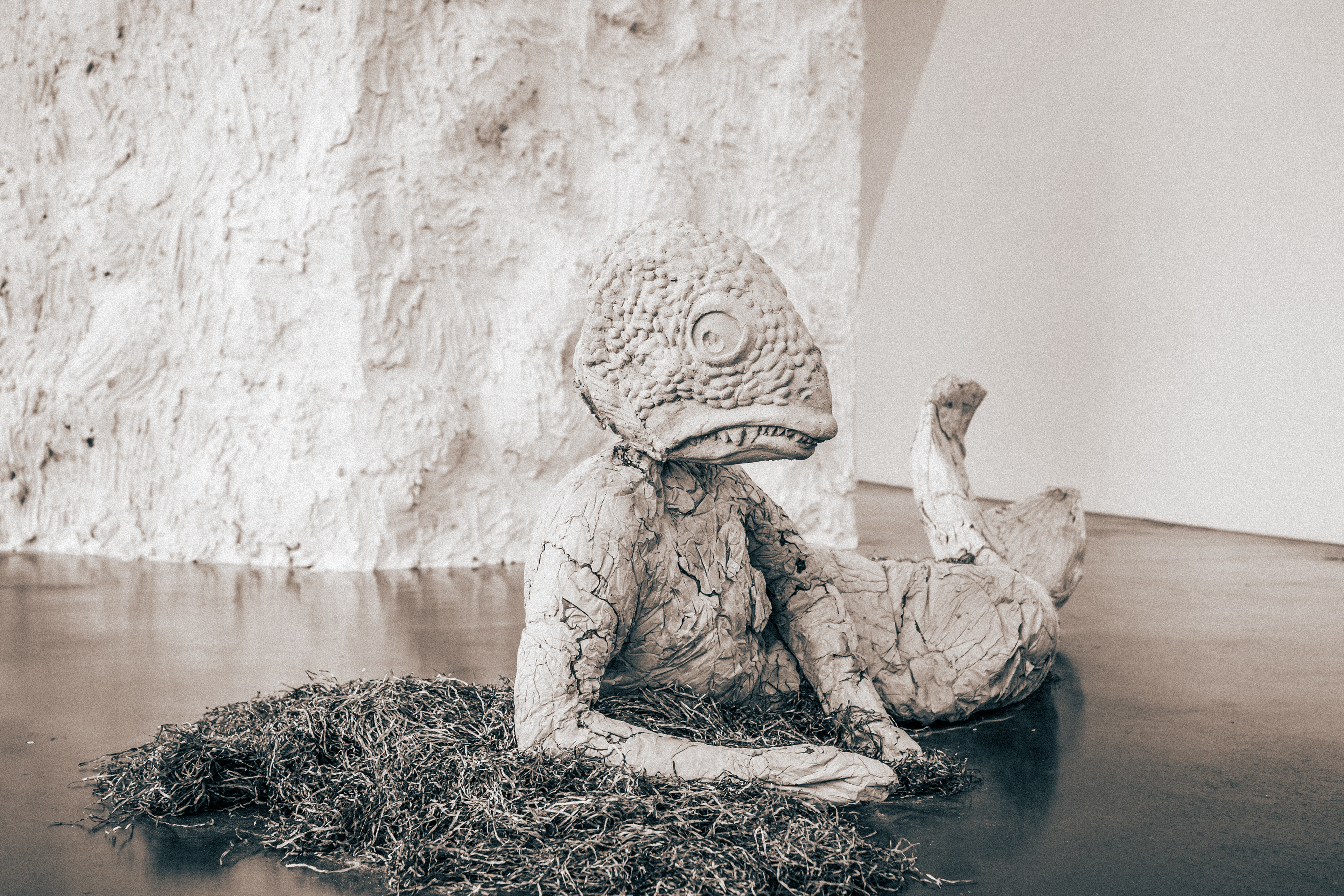
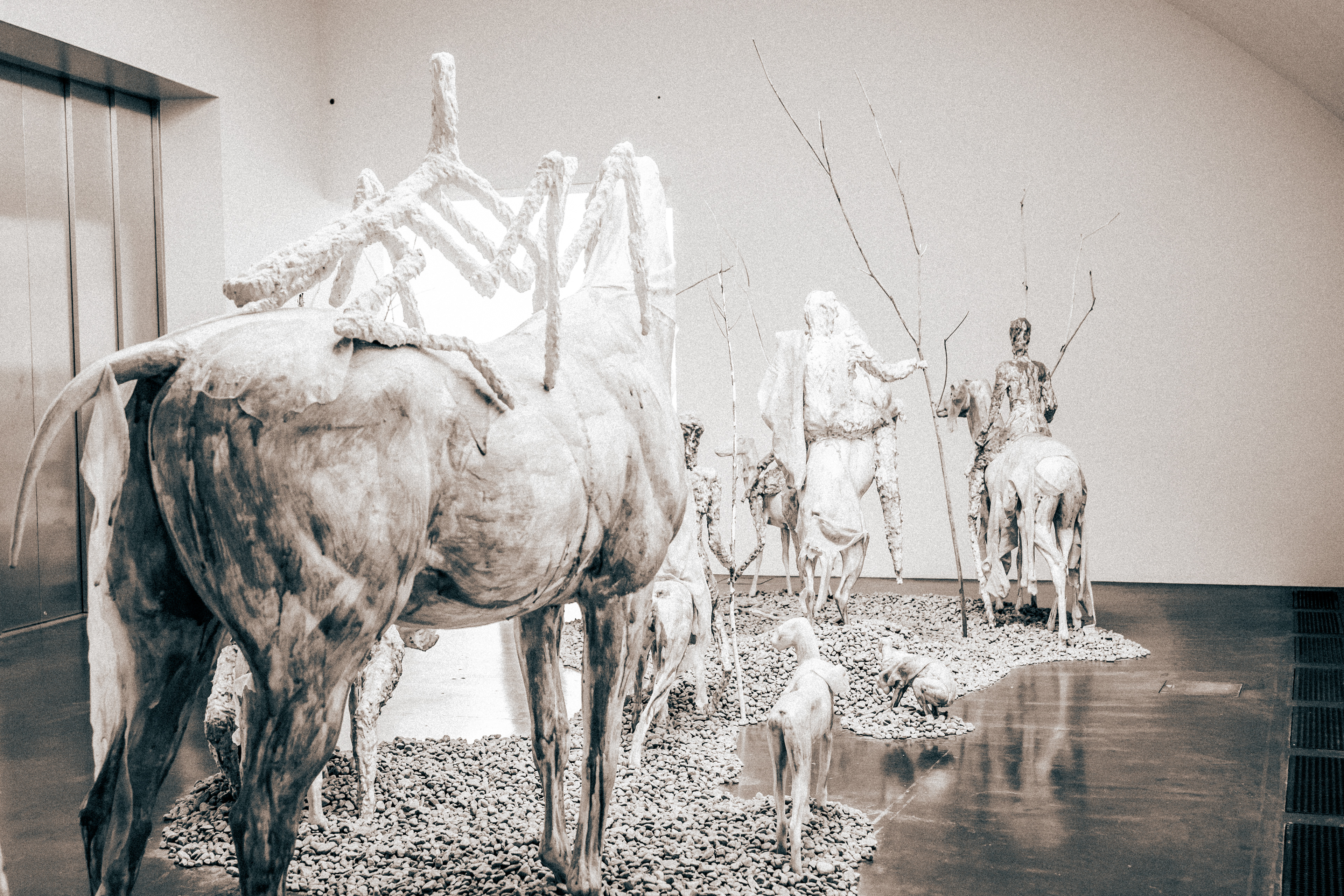
Dawn till Dawn by Estonian artist Edith Karlson occupied the fifth floor and was an entirely different experience.
The scale of the work was extraordinary.
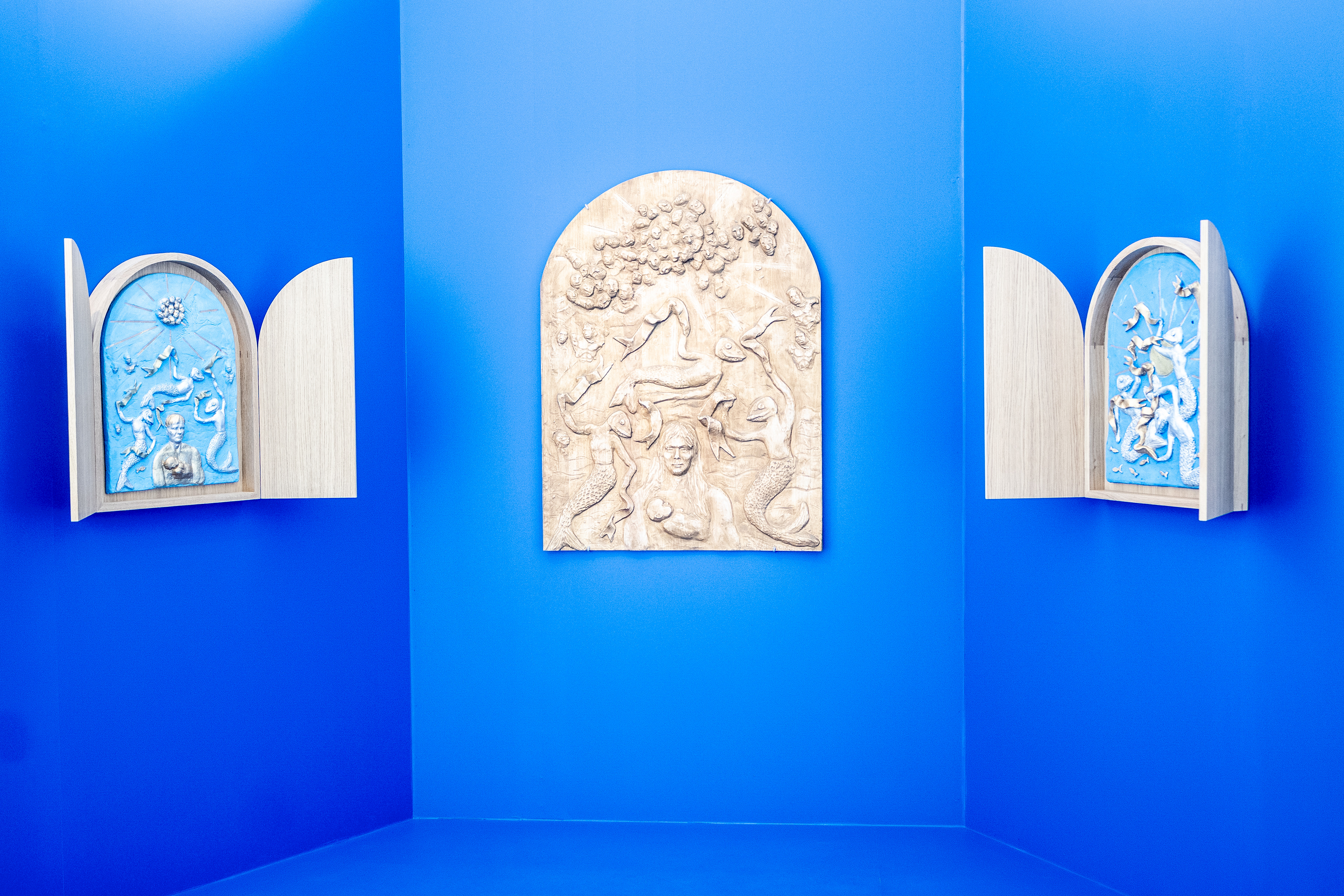
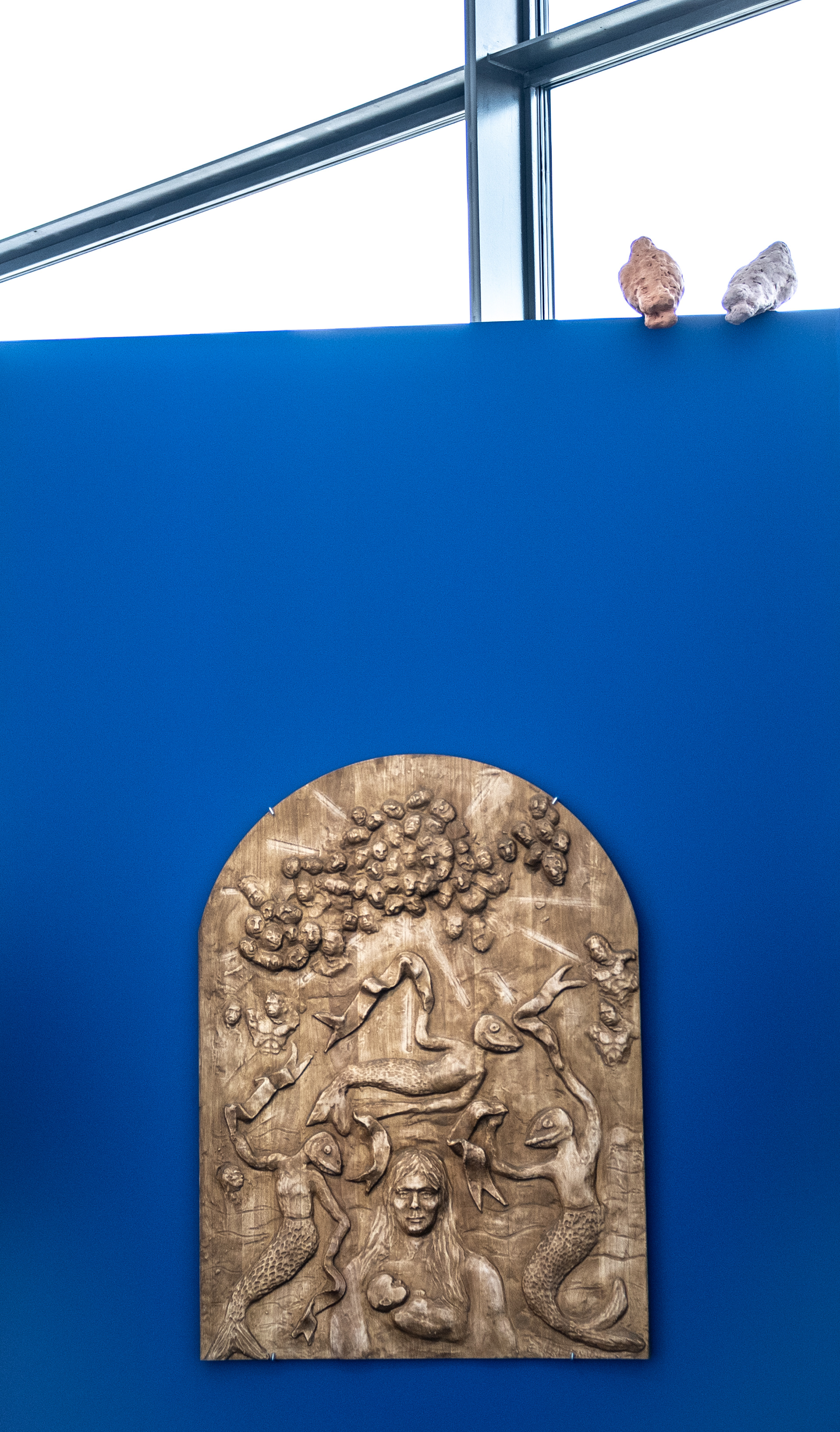
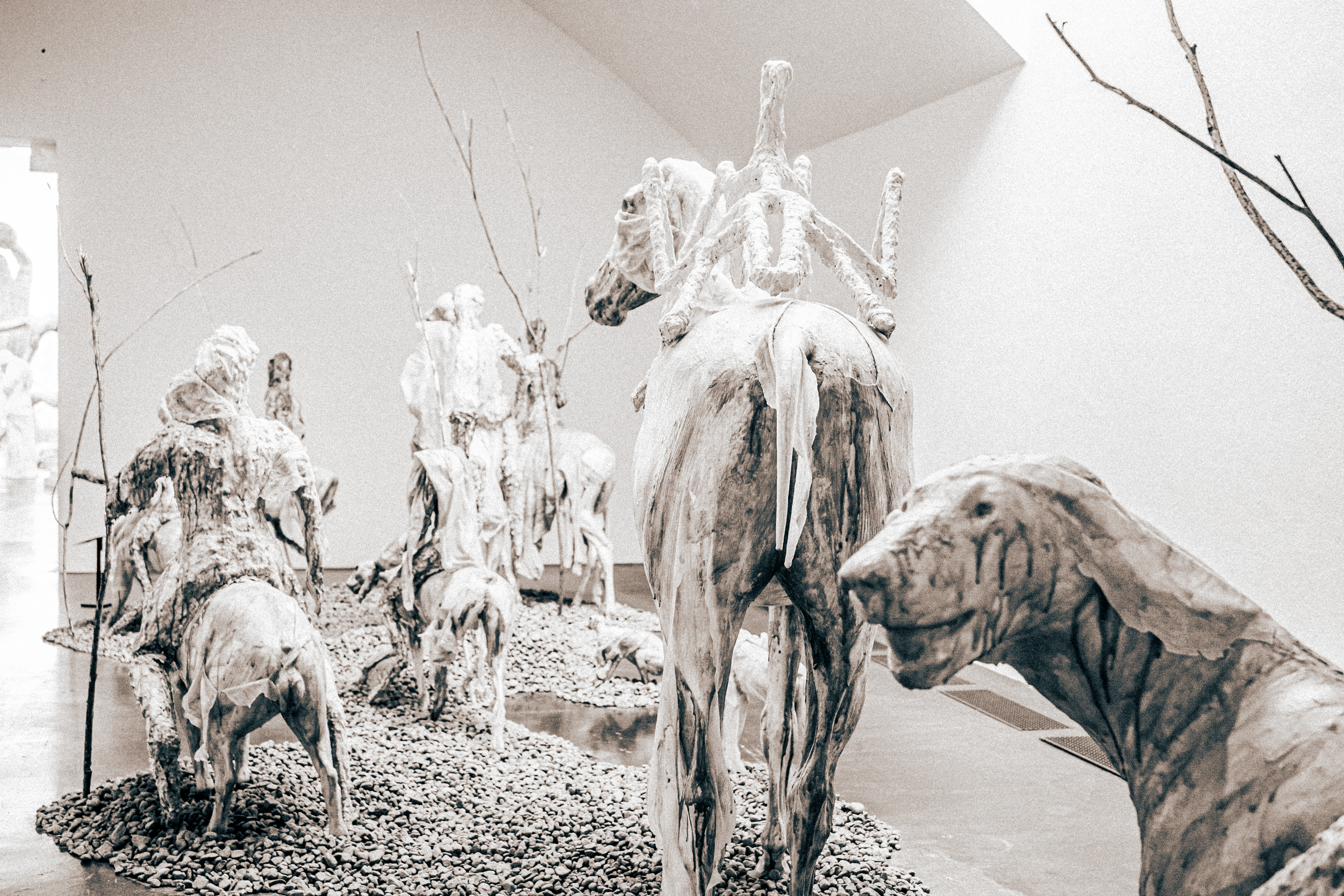
Karlson had created a strange, unsettling world populated by humans, animals andmythical creatures. There were enormous four-metre-high figures, a huge skeleton, groups of figures moving towards an uncertain fate, birds, animals and mermaids.
Walking into the exhibition felt less like entering a conventional sculpture exhibition and more like entering another world.
That sense of scale was probably what affected me most.
The sculptures weren't simply individual objects placed around a gallery. They formed groups and relationships, creating different scenes and environments across the enormous space. The result was almost cinematic.
I found myself thinking about landscape, folklore, mythology and film.
There was something very primal about the work.
Karlson uses materials including clay, concrete and silicone, often leaving the surfacesraw and unfinished. The roughness of the materials gives the sculptures a physical, almost archaeological quality.
That connection with archaeology and prehistory is important to the exhibition. Karlson draws on fossils, ancient forms and mythology while using these things tothink about contemporary life. She is intersted particularly in survival, instinct, adaptation and the difficult relationship between humans and the natural world.
There were also mermaids rising from the water beside a well, while elsewhere an army appeared to be moving towards an inevitable fate. The imagery felt simultaneously ancient and contemporary.
...perhaps that was what I found most compelling.
Art, Myth and the Future
There was something quite fitting about seeing this work. I had travelled to Finland there looking at possible places to live, thinking about practical things - the towns, landscapes, communities and what everyday life might eventually look like.
Kiasma reminded me that choosing somewhere to live isn't only about practical considerations but it is also about culture.
It is about the places you can visit, the artists you encounter, the architecture around you and the opportunities to be surprised by something completely unexpected.
As someone who makes films, large scale paintings and photographic work I am particularly interested in how places influence creativity. Landscape, weather, light and culture all feed into the way we see things.
Finland already feels like a place with a very strong visual identity.
The northern light, the forests, the lakes, the architecture and the restrained Nordic aesthetic all seem to offer possibilities for making new work.
Standing inside Edith Karlson's Dawn till Dawn, surrounded by these enormous mythical figures - I found myself thinking about how much material there might be here for future projects.
Perhaps that is one of the reasons I enjoyed the visit to Kiasma so much.
We went to Finland to find a place to live but I also came away inspired and wondering what kind of work I might make once we do.