A Collector Ahead of Her Time
I have always been particularly drawn towards conceptual and abstract art so this was a place I had been really looking forward to visiting.
Artists such as Wassily Kandinsky, Kazimir Malevich and El Lissitzky have been important to me for a long time. Their work represents a complete departure from simply trying to reproduce the world as we see it. Instead they began to explore shape, colour, geometry, space, movement and ideas.
That way of thinking about art is something I too find very inspiring.
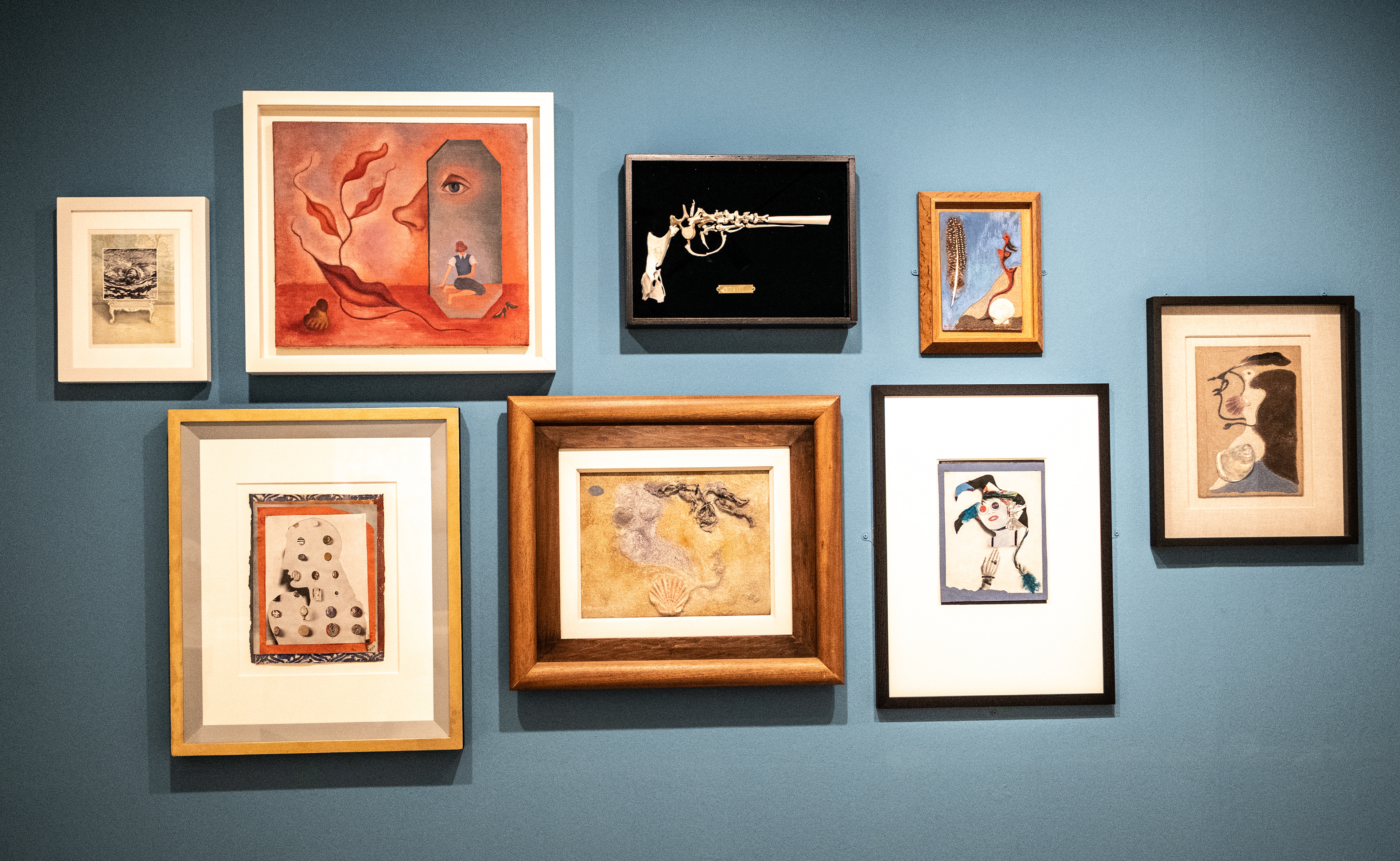
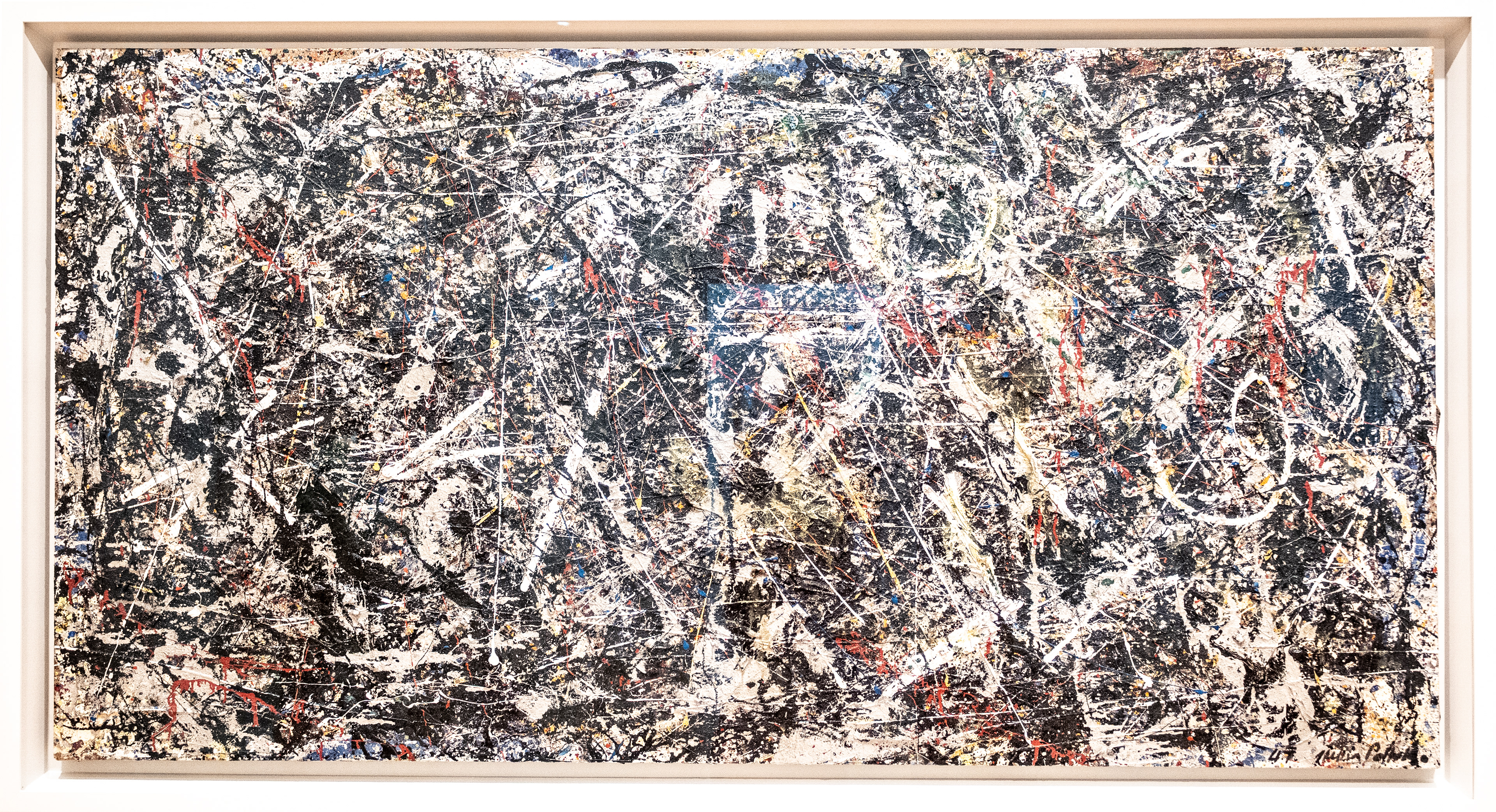
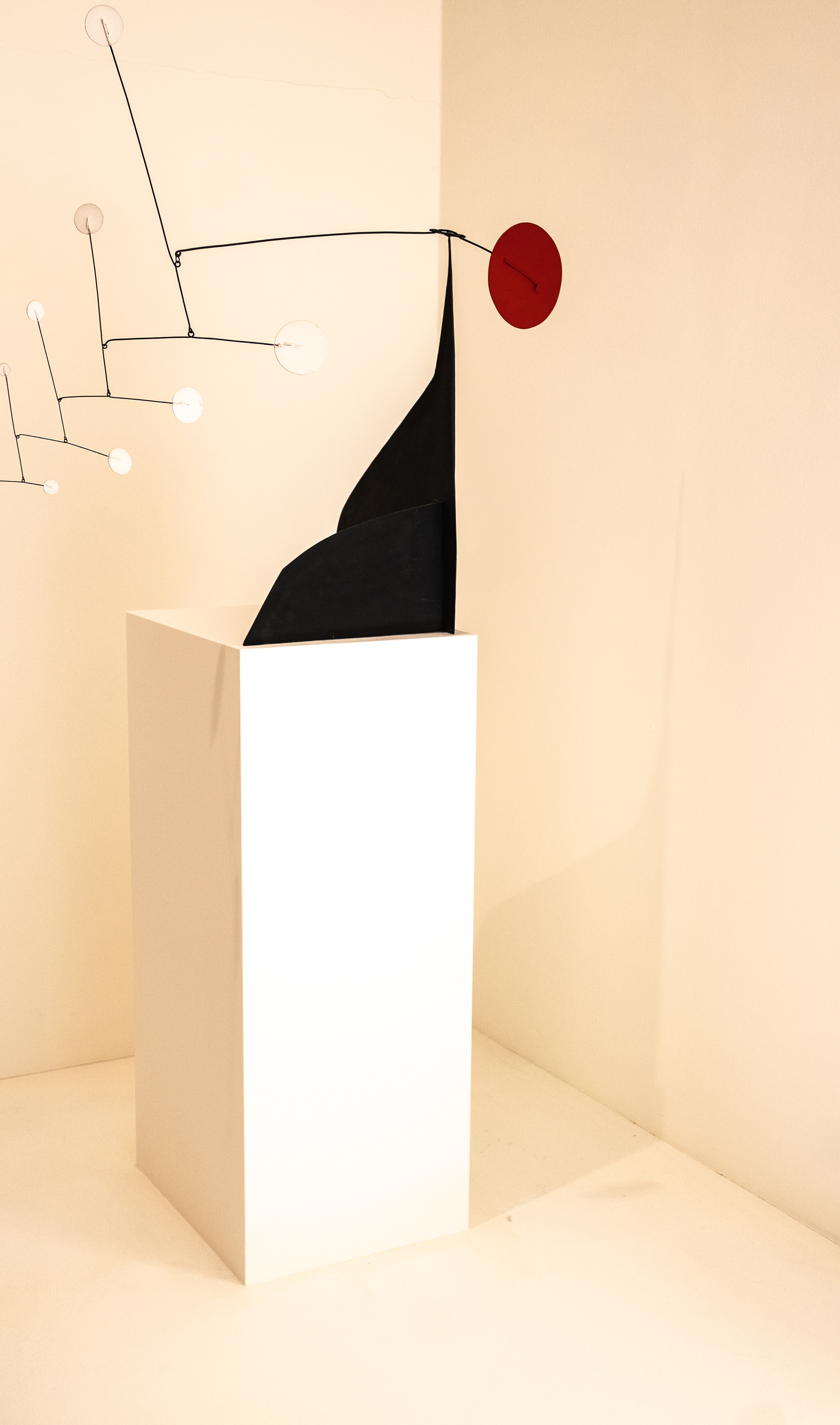
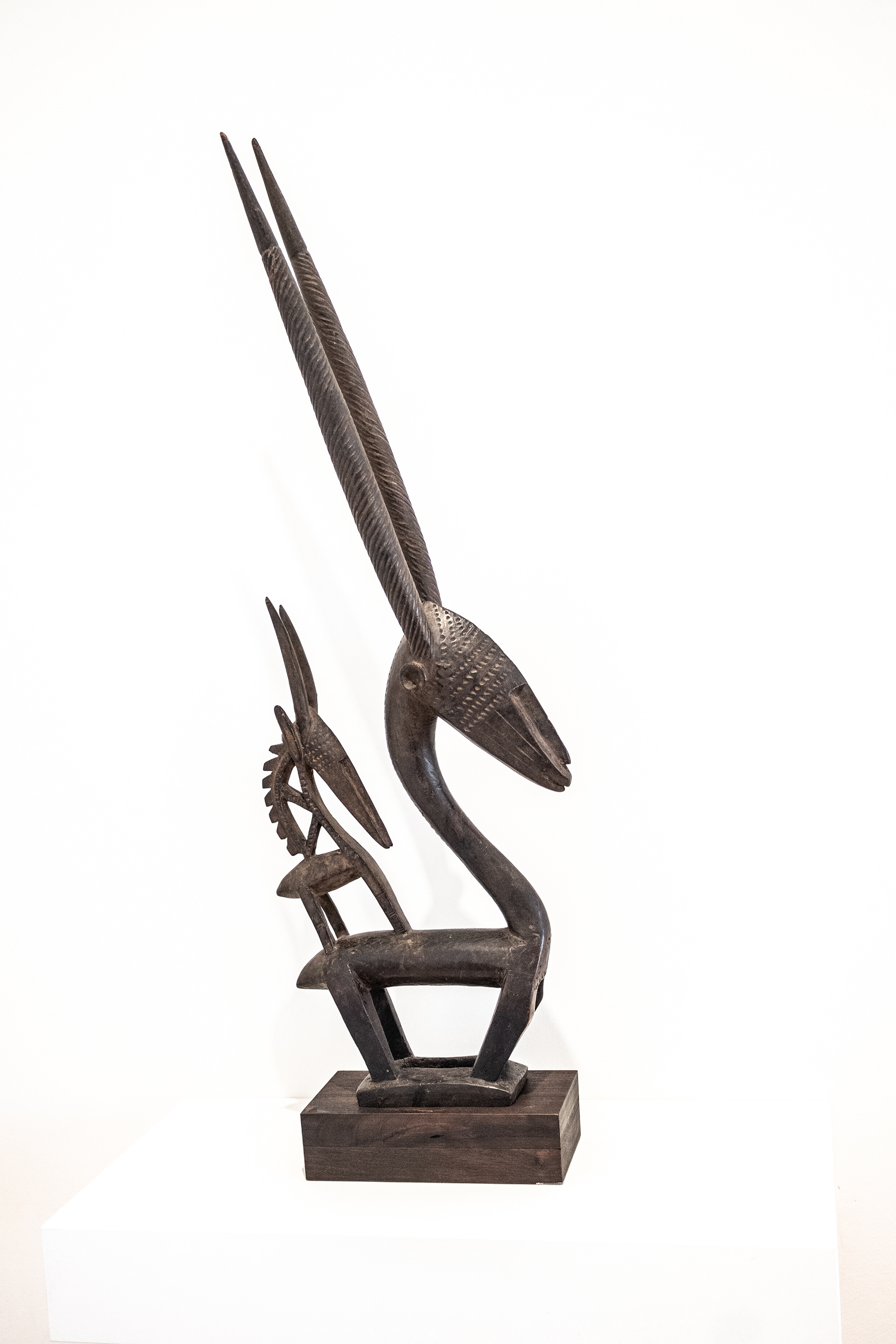
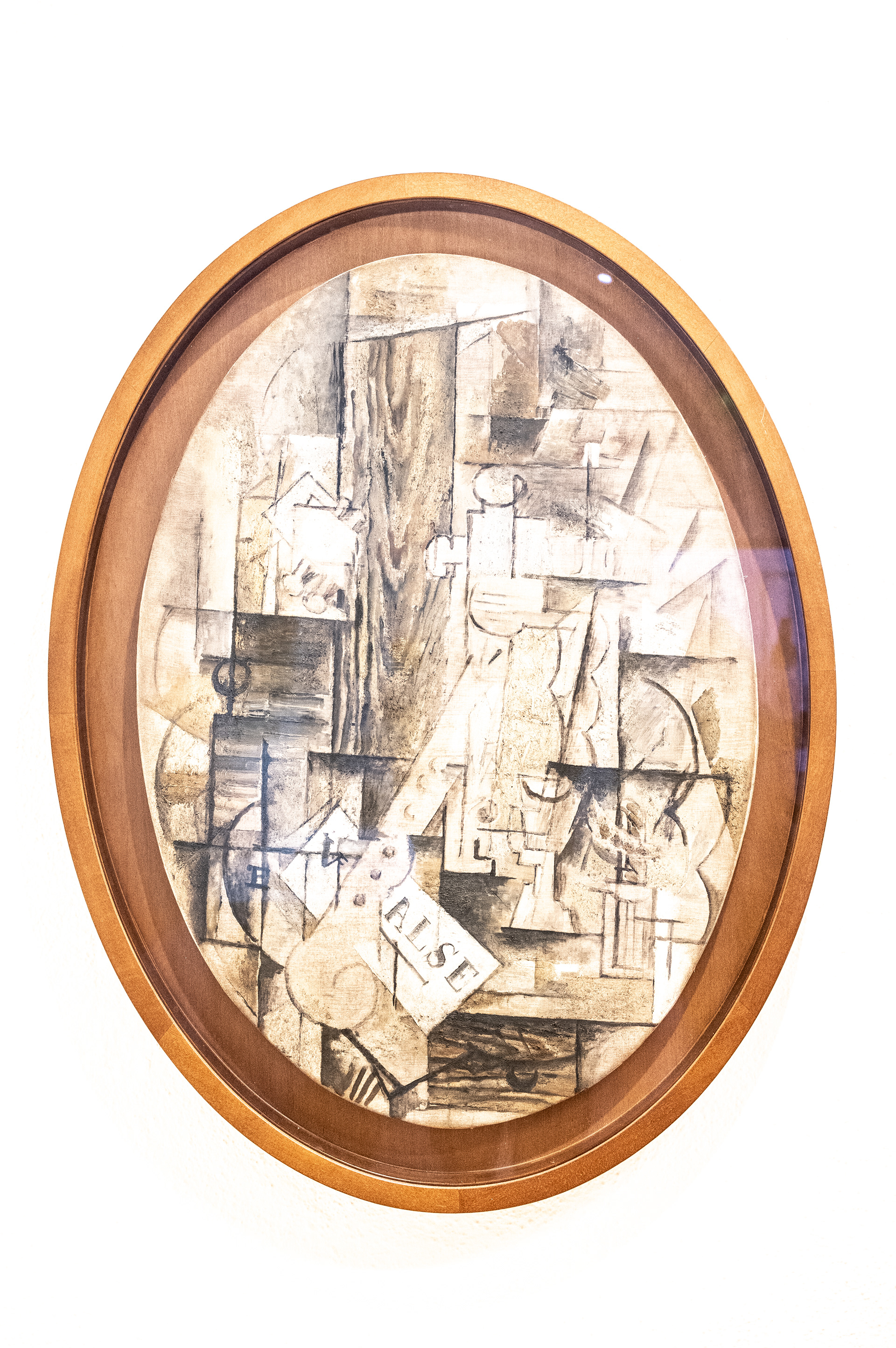
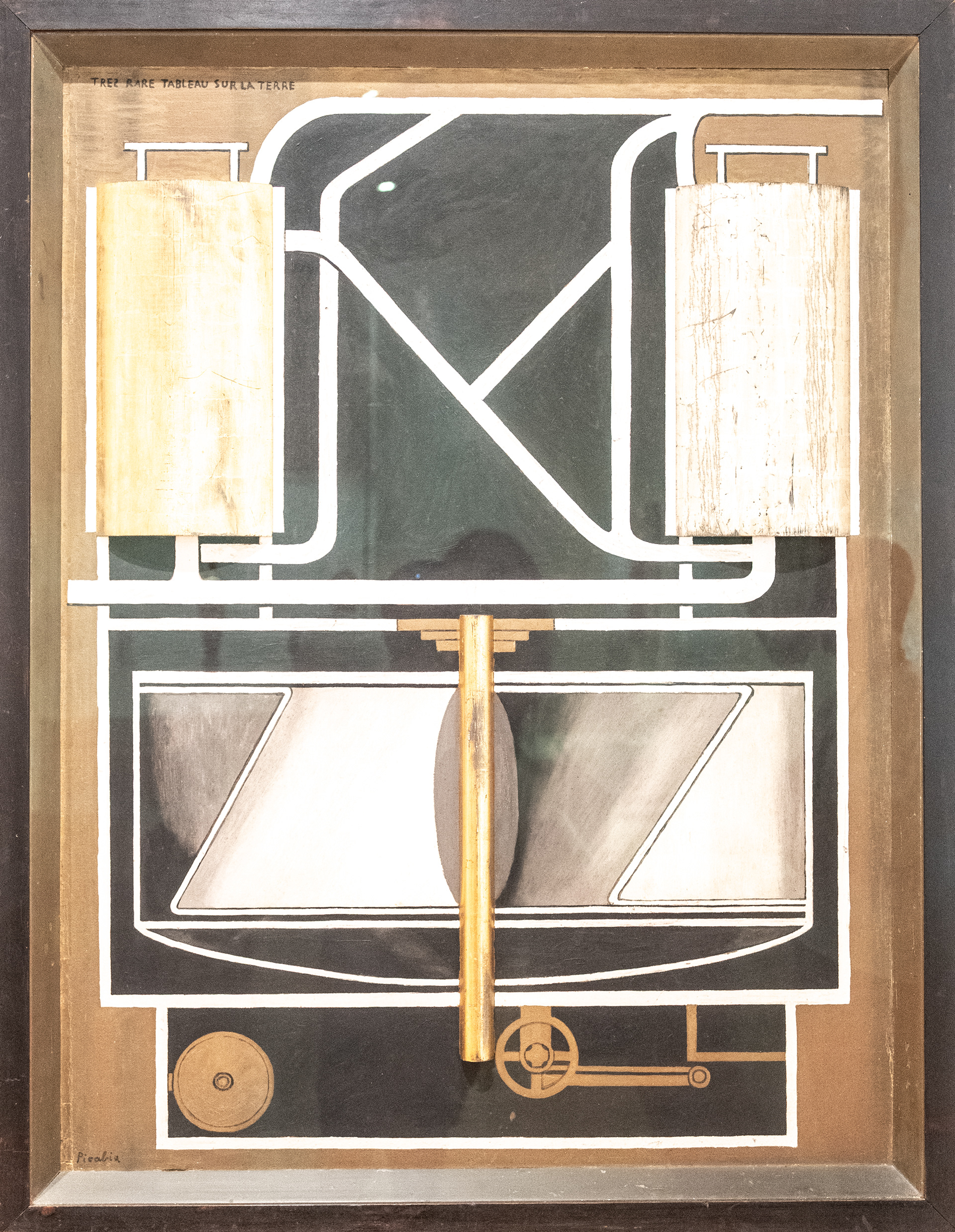
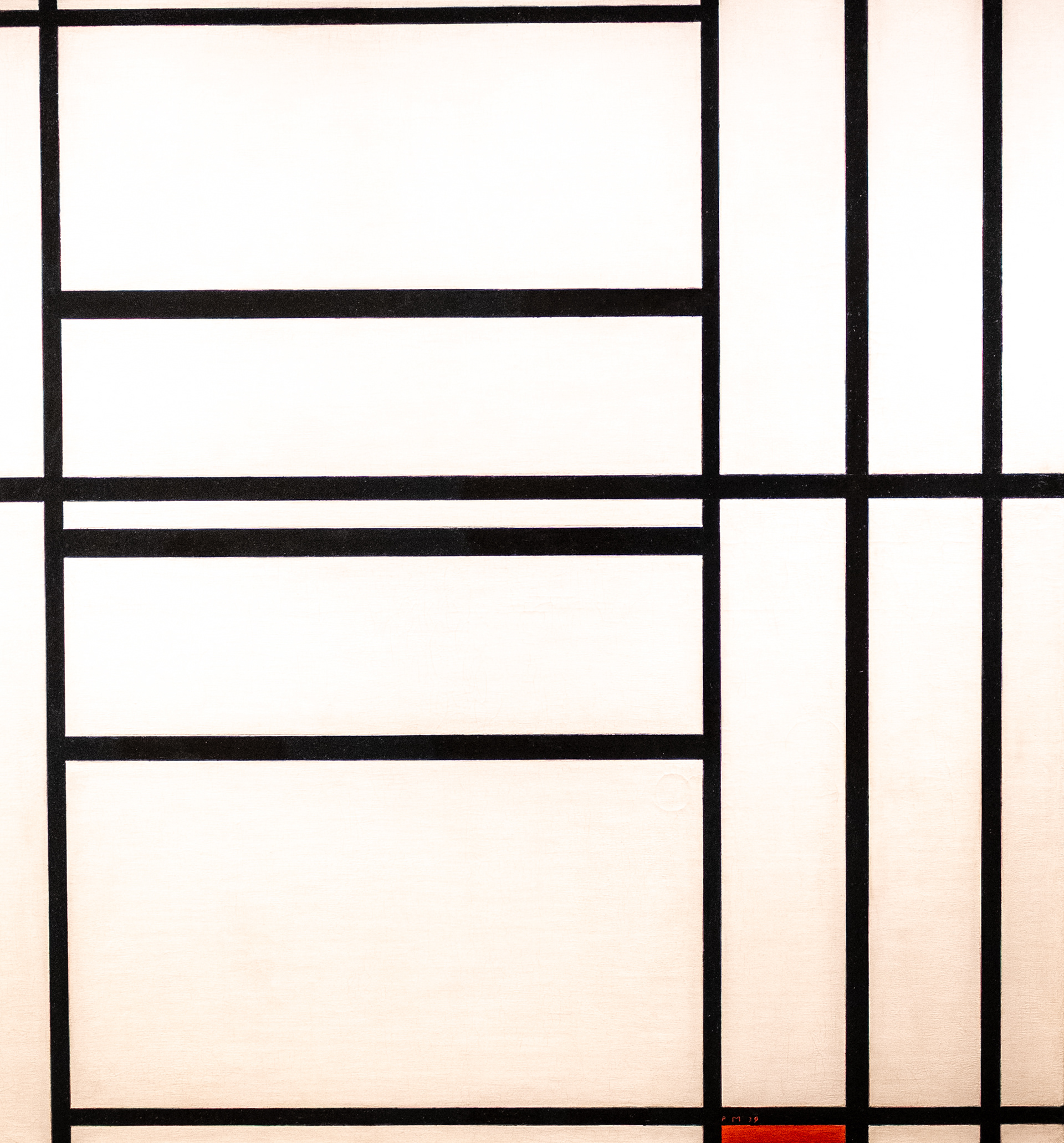
Peggy Guggenheim's collection brings together an extraordinary range of twentieth-century movements, including Cubism, Futurism, Metaphysical painting, European abstraction, Surrealism and American Abstract Expressionism. Among the artists represented are Picasso, Braque, Brancusi, Duchamp, Mondrian, Kandinsky, Malevich, Lissitzky, Pollock, Rothko, Kelly, Calder and many others.
What struck me was how interconnected all of this work becomes when you see it together.
You begin to see the progression from one movement to another. You can see the breaking apart of traditional representation, the development of geometric abstraction, the influence of Surrealism, and eventually the explosive freedom of Abstract Expressionism.

Kandinsky
Seeing Kandinsky's work in person was particularly important for me.
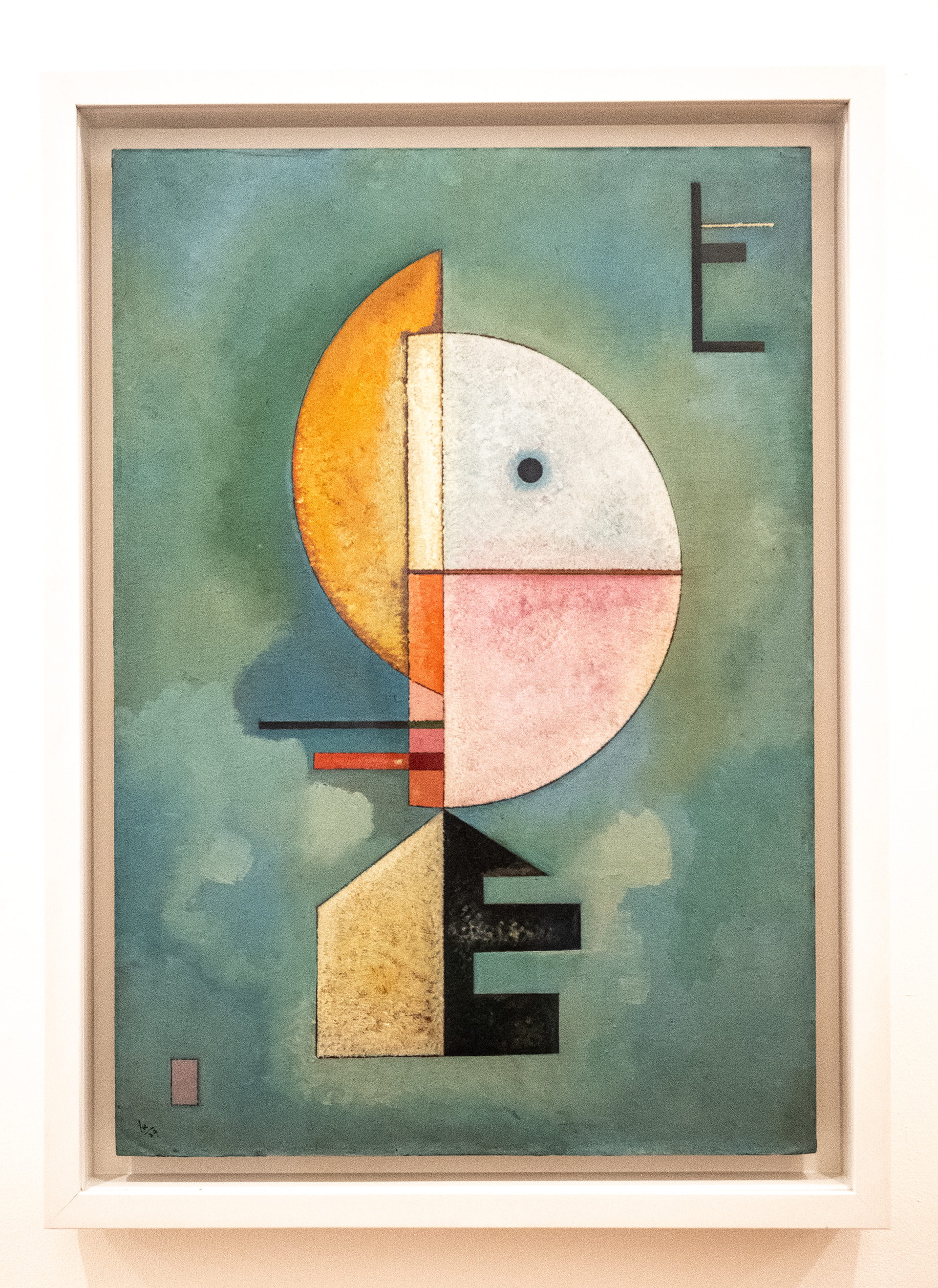
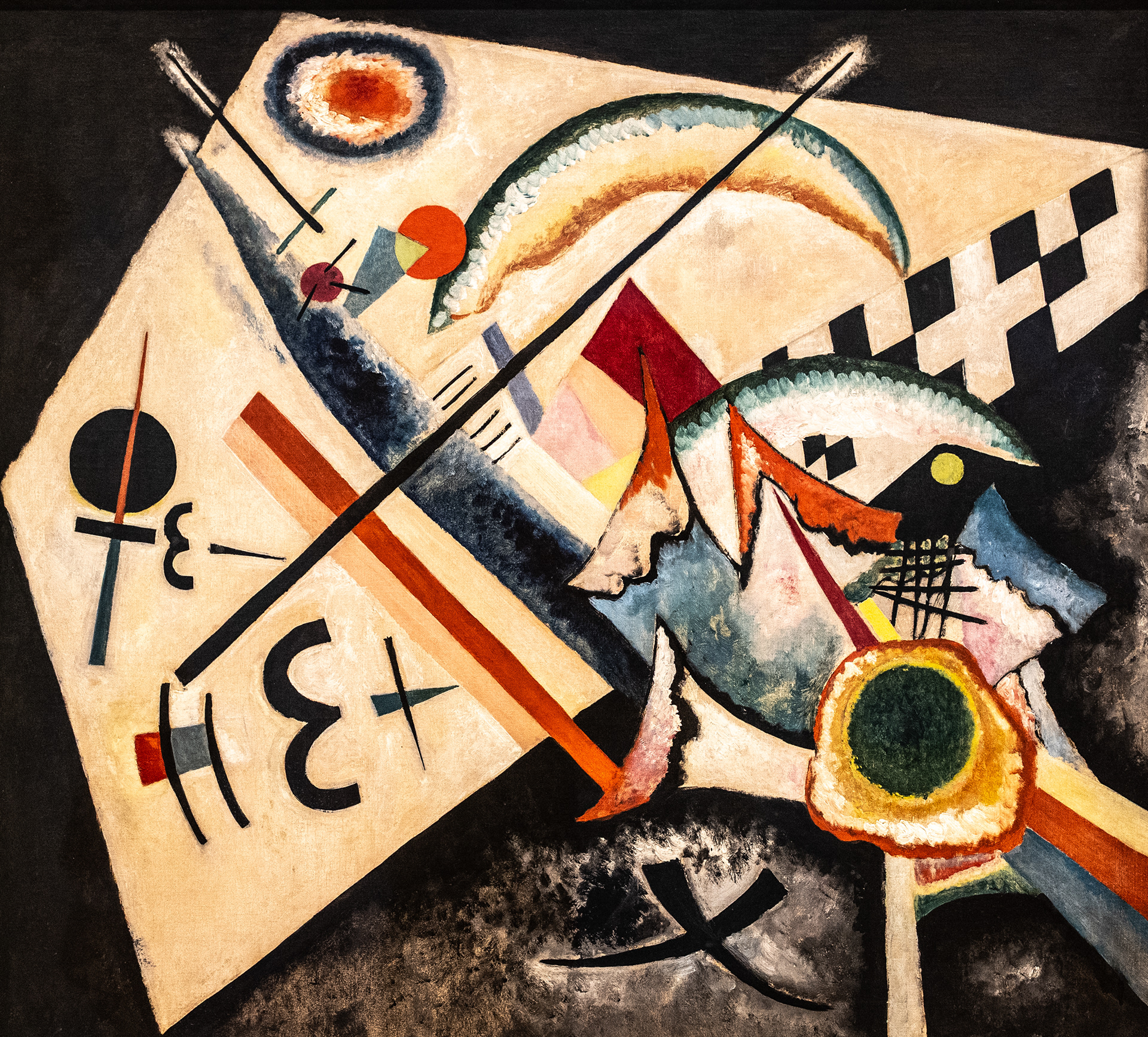
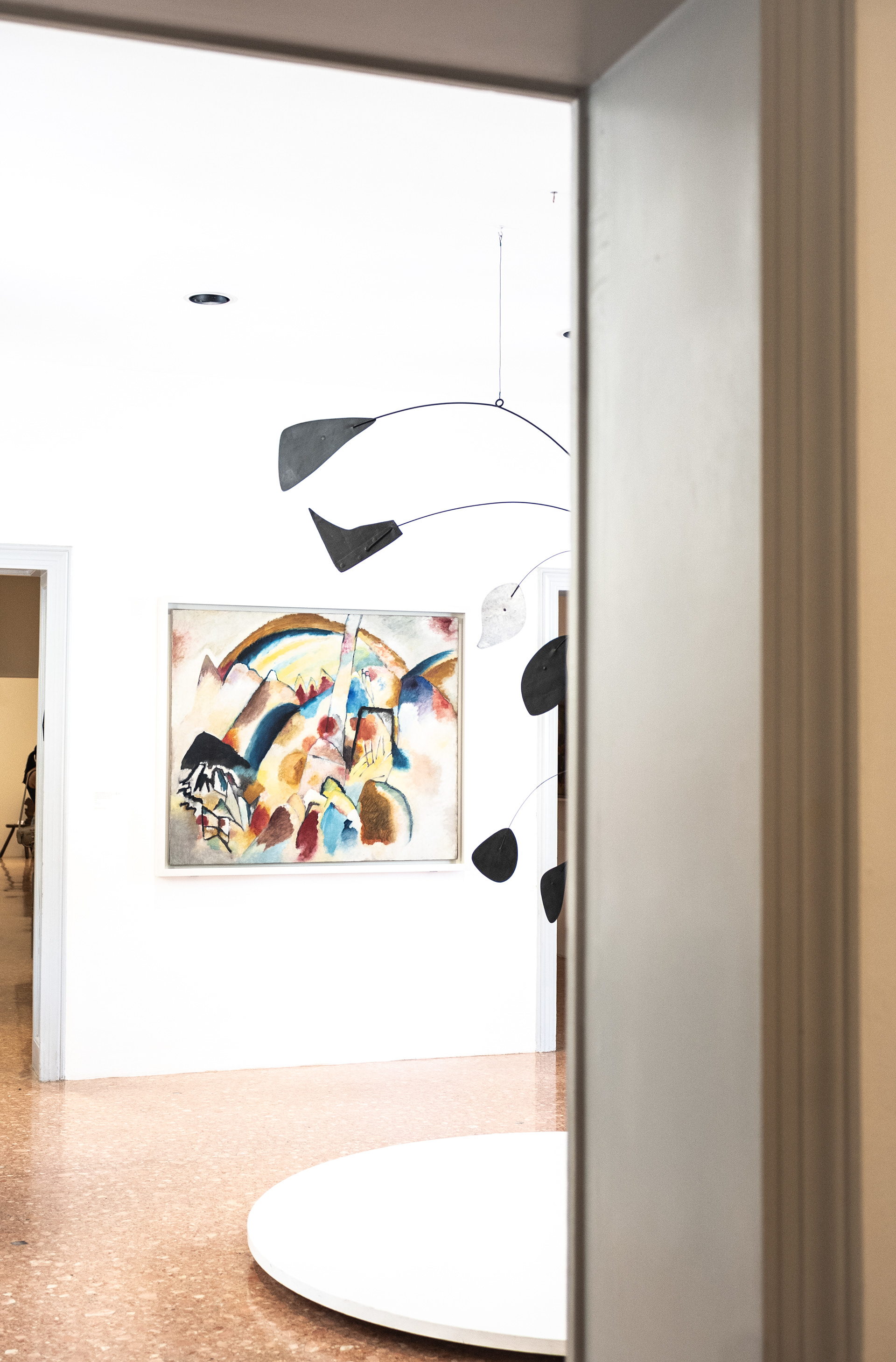
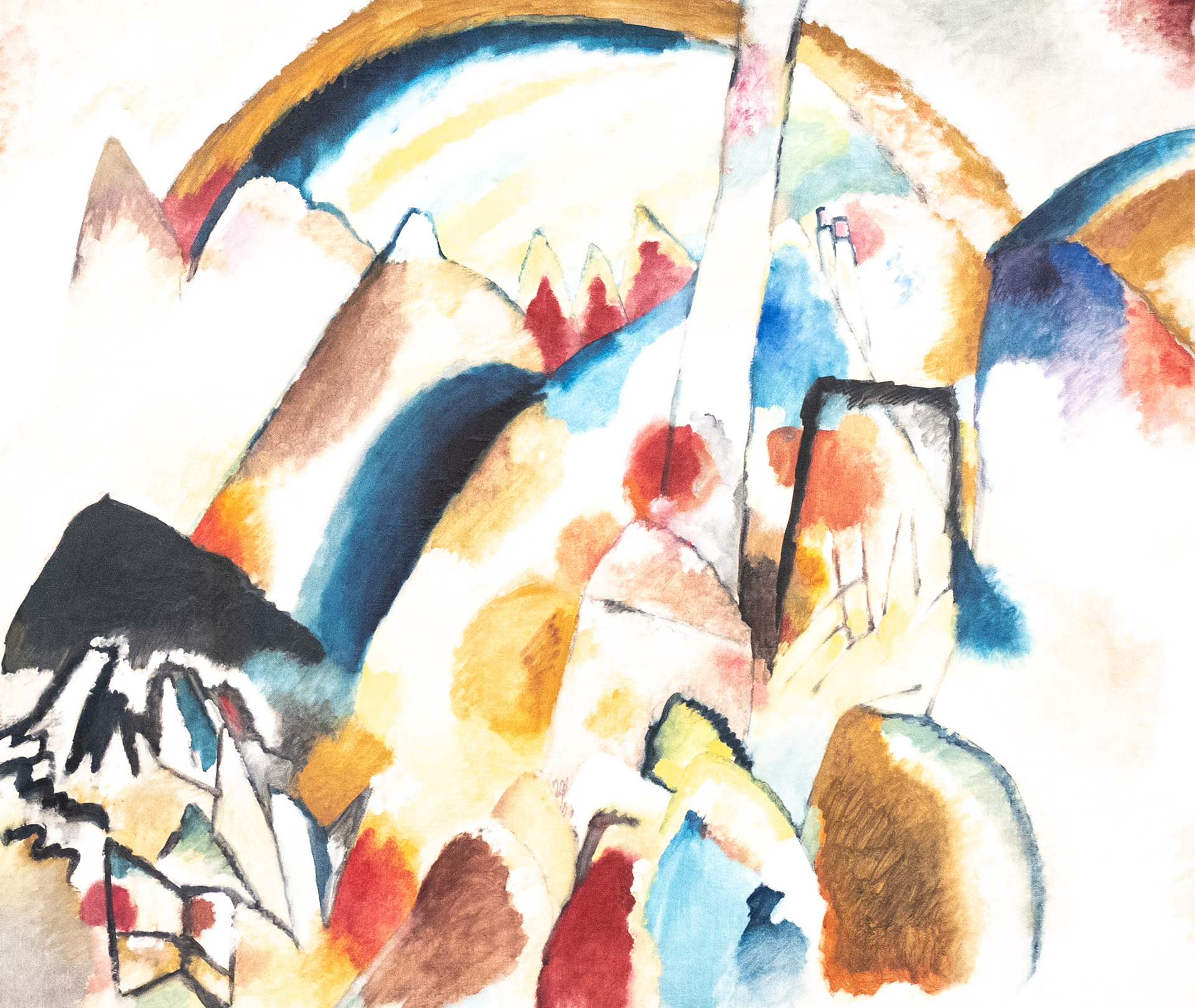
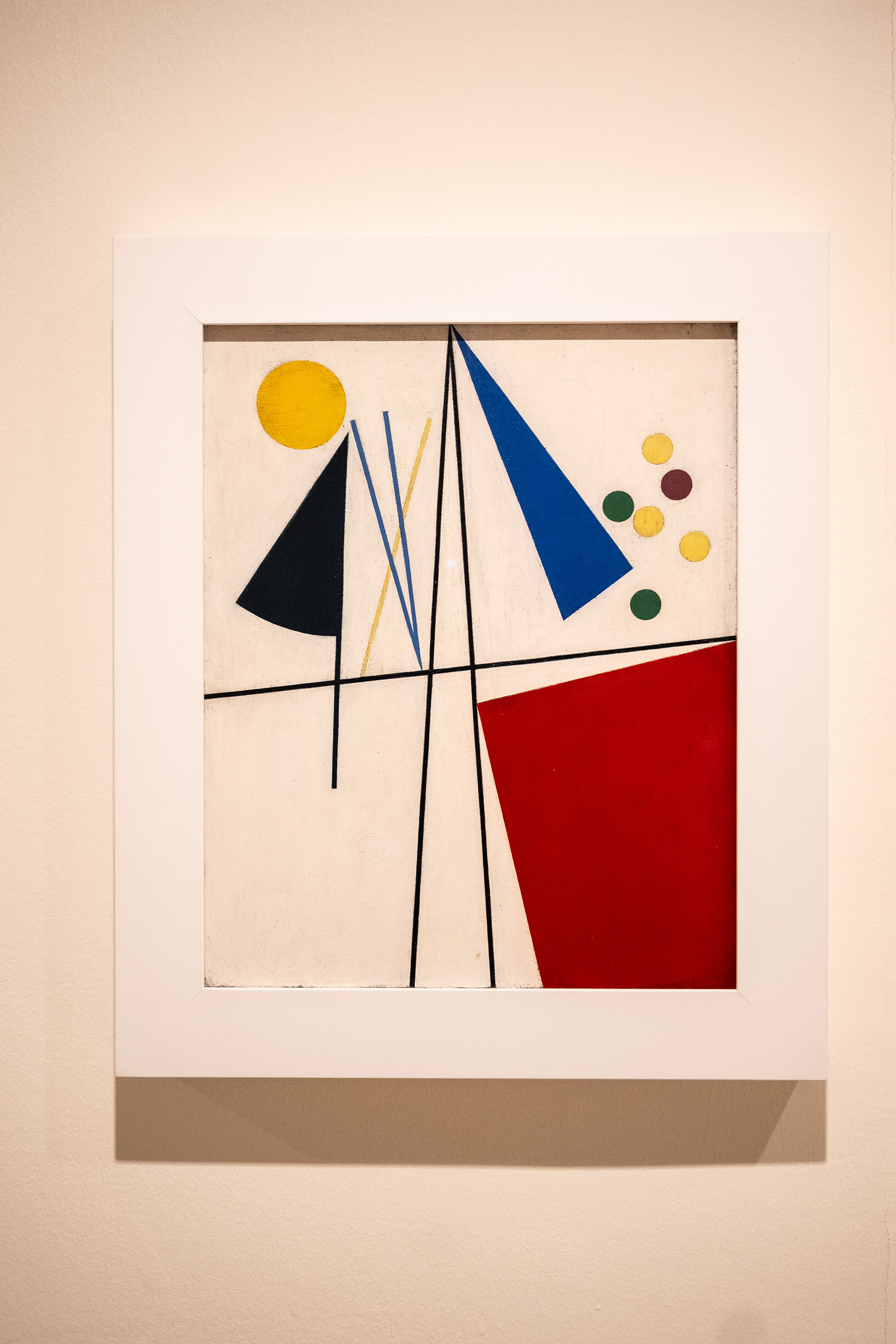
The collection currently includes several Kandinsky works, including Landscape with Red Spots, No. 2, White Cross and Upward.
Upward, painted in 1929, is a wonderful example of his ability to create movement and energy from apparently simple geometric forms. The composition is constructed from circles, lines and geometric shapes, but the result feels surprisingly alive.
That is what I find fascinating about abstraction.
You can look at something that is essentially a collection of shapes and colours, yet somehow it can create a sense of movement, emotion or even sound.
As someone who works with film, this is something I naturally respond to. I am interested in how an image can communicate without necessarily explaining itself. Movement, repetition, layering, colour, texture and sound can all become part of the meaning.
Kandinsky's work seems to operate in a similar territory.
Malevich and Lissitzky
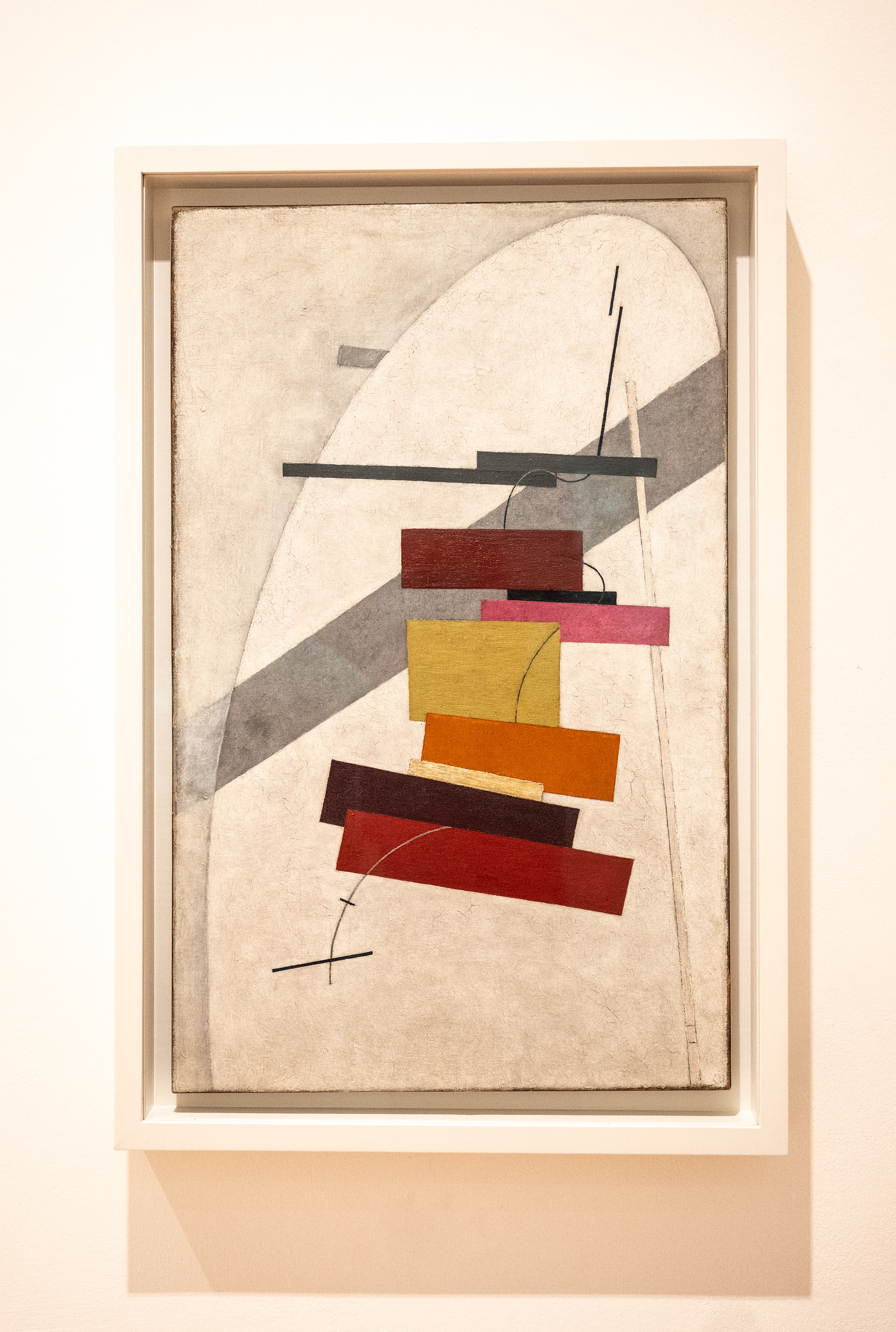
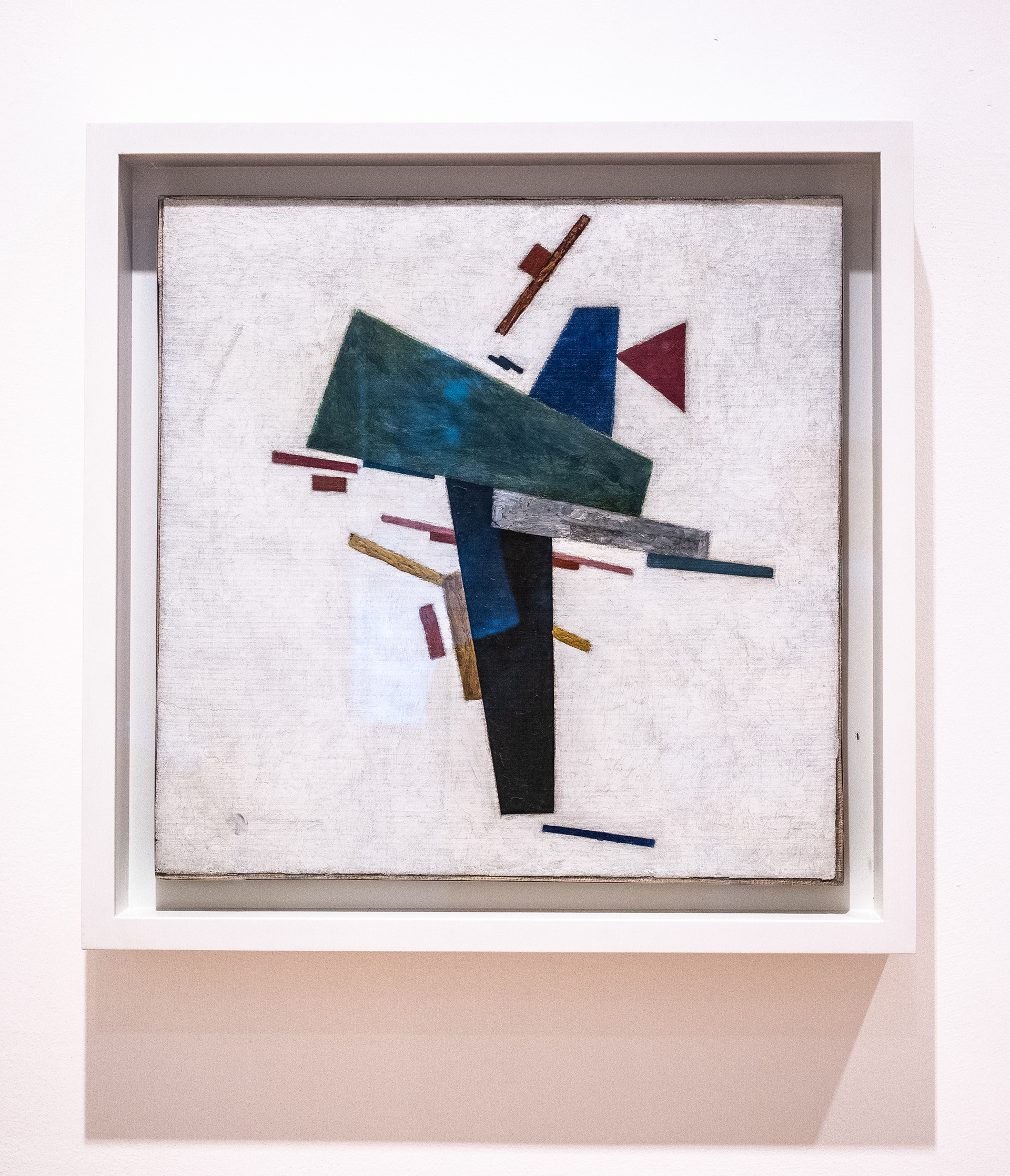
I was also excited to discover Kazimir Malevich and El Lissitzky represented within the collection. I even held their space in a room for a moment. It felt quite emotional.
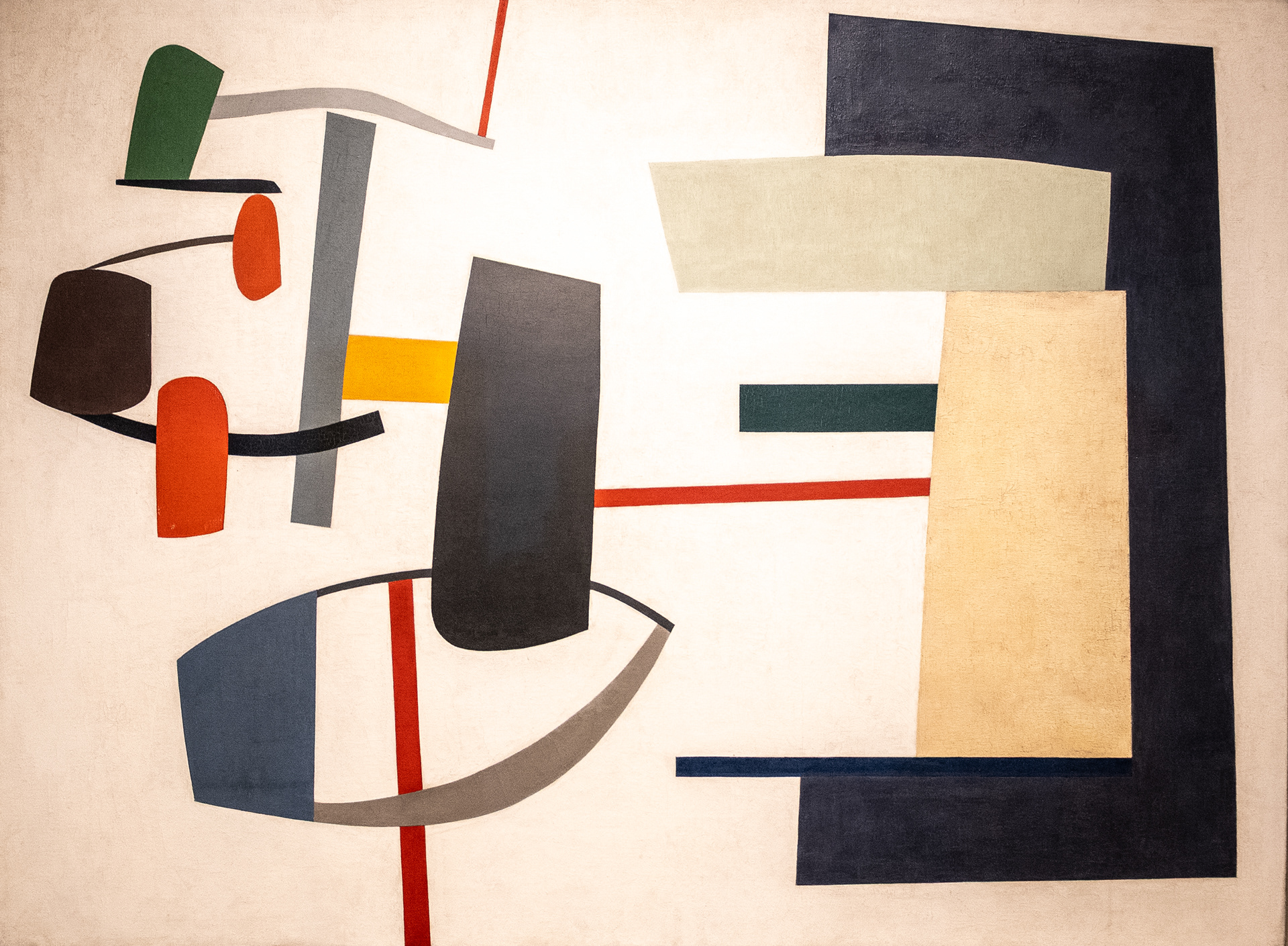
Malevich's Untitled, dating from around 1916, is part of the collection and is currently listed as on view. His work emerged from his development of Suprematism, an approach to art based on fundamental geometric forms and non-objective composition.
Lissitzky is another artist whose work I have always found fascinating because of the relationship between art, architecture, design and space.
It was particularly satisfying to see both artists within the context of the wider collection. You begin to understand that abstraction wasn't simply about making paintings look different. It was part of a much bigger questioning of what art could actually be.
Seeing the Work in Person
The most valuable part of the visit was simply being able to stand in front of the work.
It feels completely different when you stand a few feet away from the original. It is something my former tutor, Iwan Parry reminded me of during my first year. He encouraged us all to visit galleries and experience the works within their physical space. He told us how emotional he used to become when visiting Tate Britain to see works by Turner.
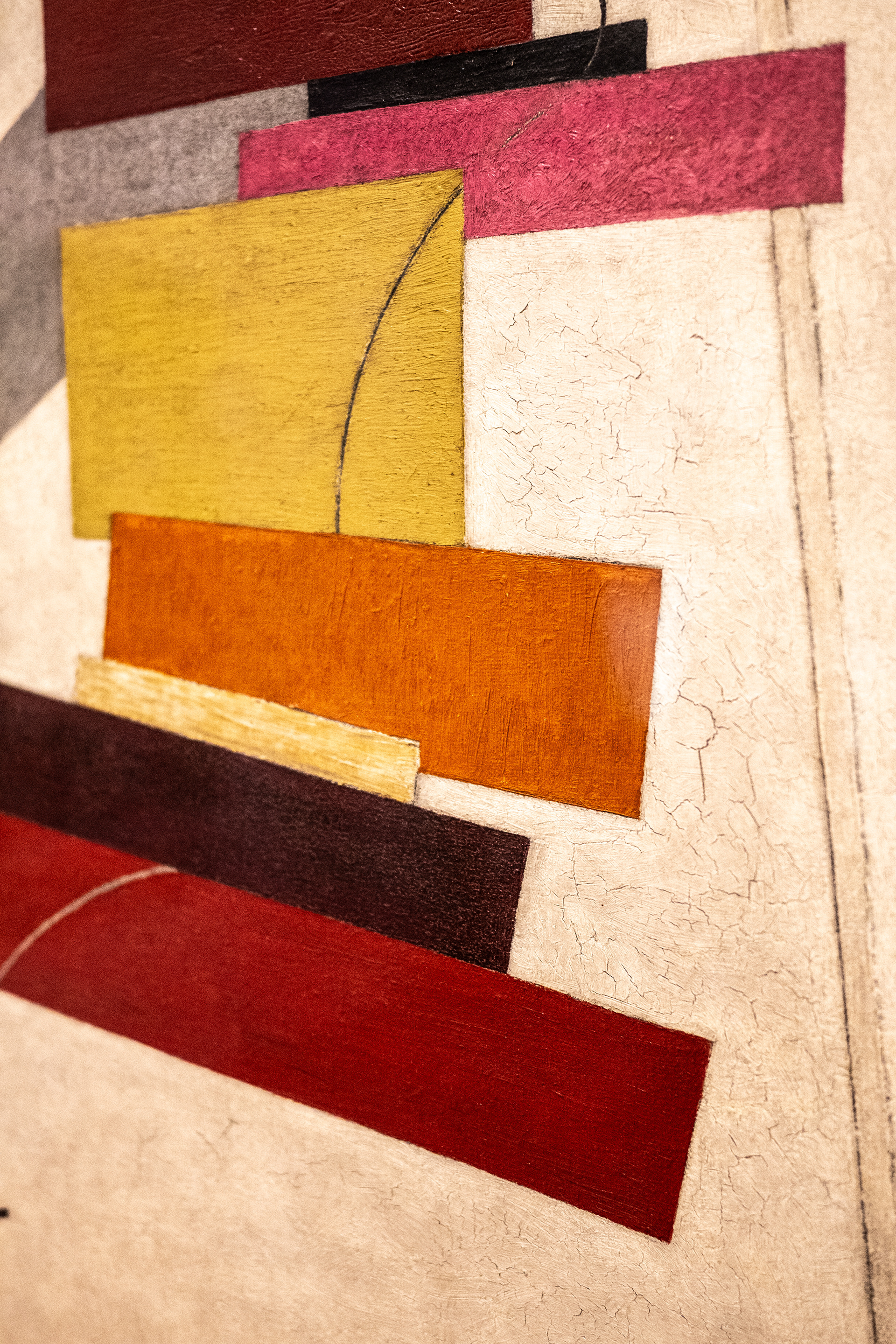
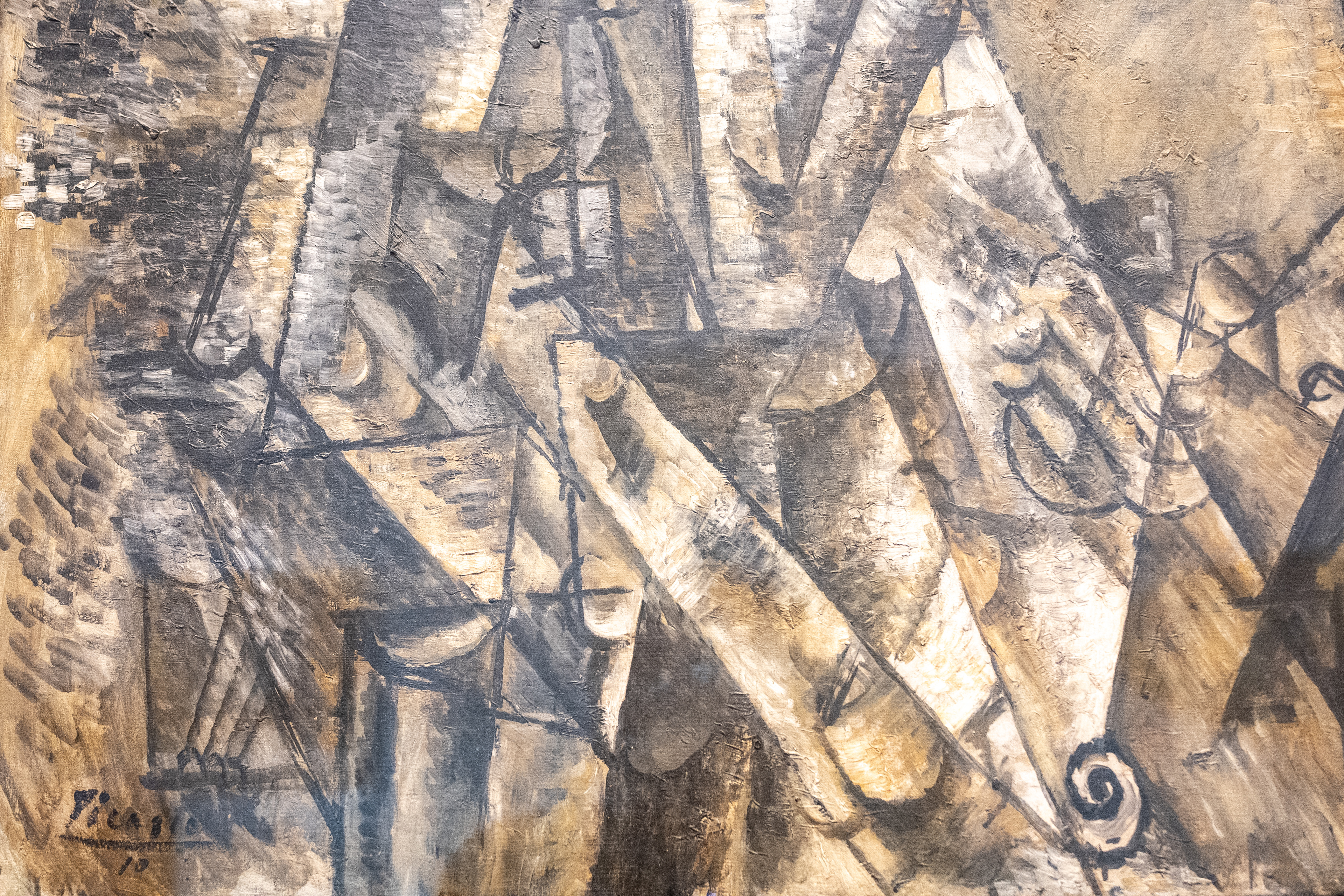
When you are in a space, the scale becomes apparent, the texture becomes visible.
You even notice the physical surface of the work, the edges, the framing, the marks and the way the artist has actually constructed the image.
For an artist, these details are incredibly important.
Seeing the work close up gave me a renewed appreciation for how much information can exist within a relatively small area. A painting isn't just an image. It is an object, a surface and a physical thing that has passed through someone's hands.
That was particularly inspiring to me.
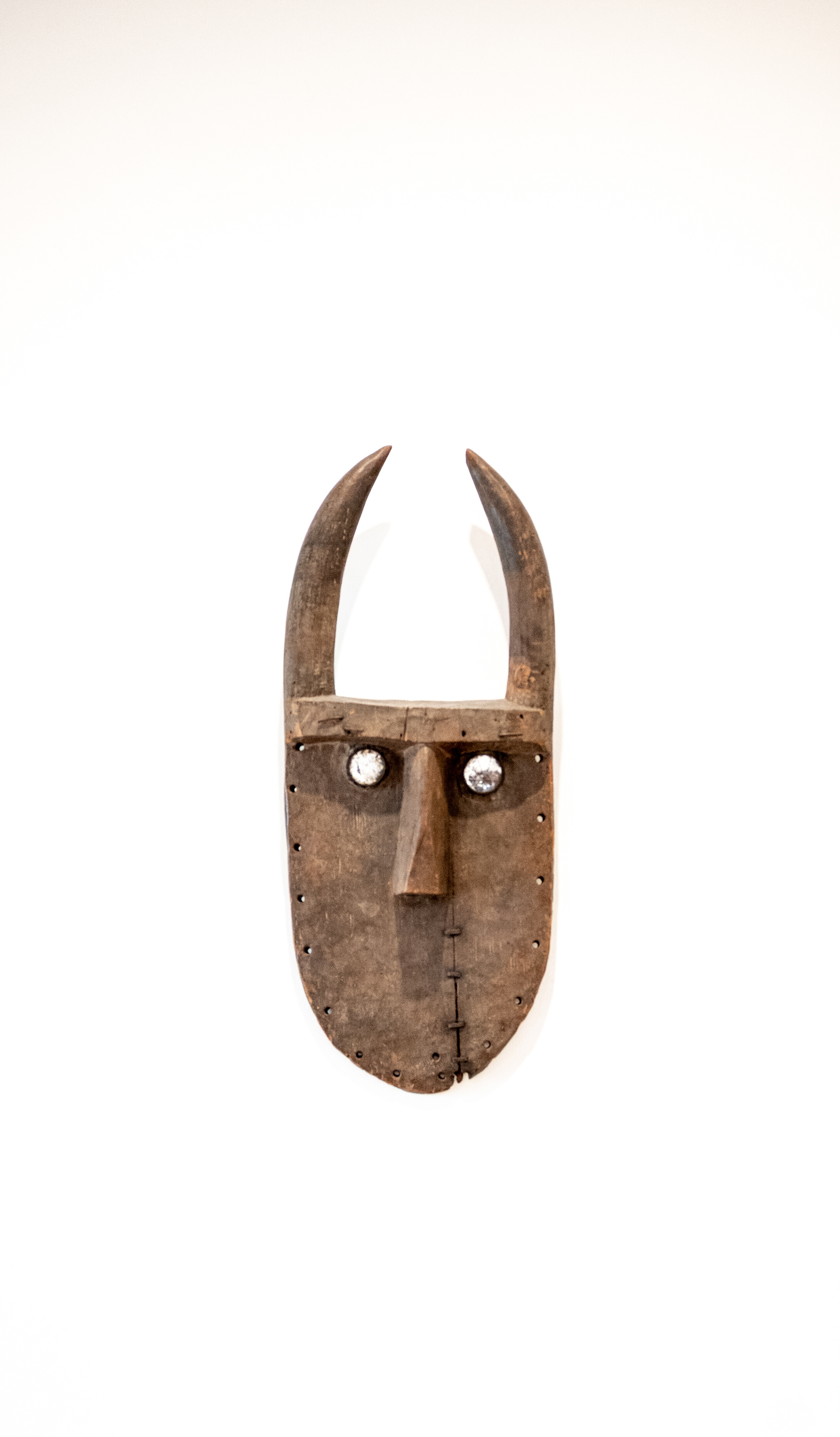
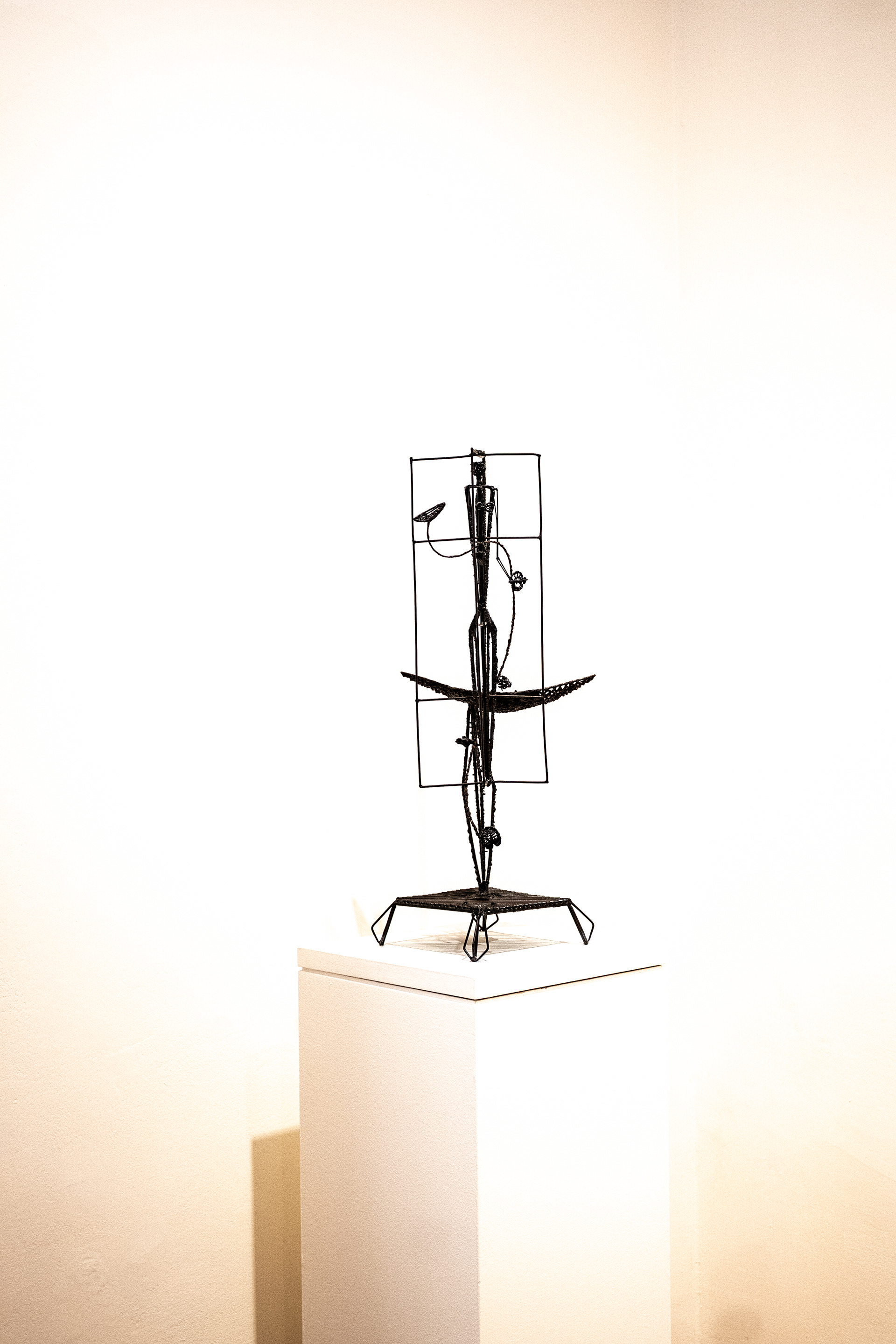
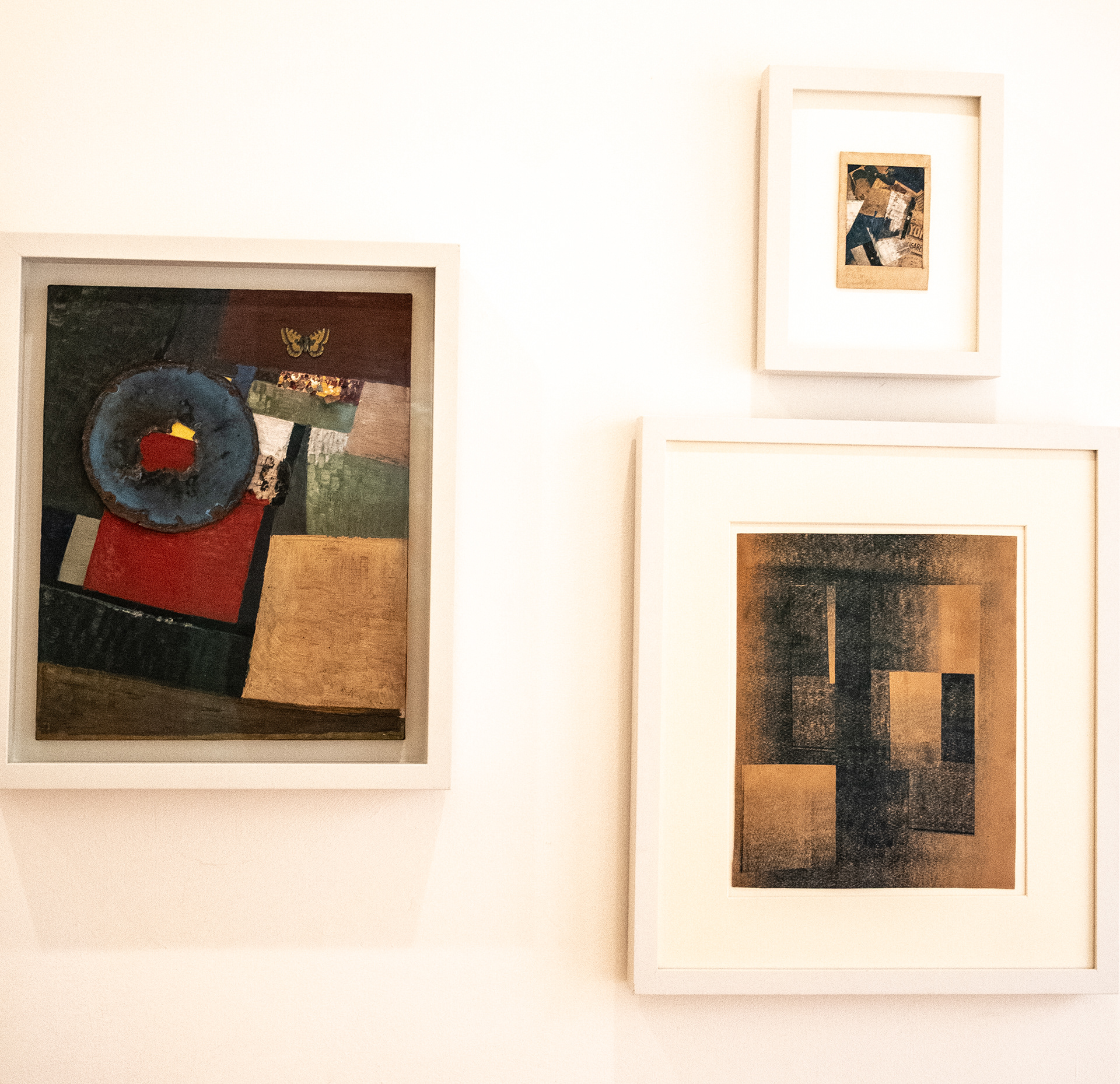
Inspiration for My Own Work
I left the Peggy Guggenheim Collection feeling genuinely inspired. I think it was partly because the collection confirmed something I have increasingly felt in my own work - that there doesn't always need to be a straightforward narrative or literal explanation.
An image can suggest rather than explain. It can create a feeling. It can make you question what you are looking at.
It can use repetition, geometry, movement, space and abstraction to communicate something that words can't quite reach.
This is one of the reasons I am so interested in artists like Kandinsky, Malevich and Lissitzky. They opened up a different way of thinking about the image.
Walking back out onto the Grand Canal afterwards, I found myself thinking about how much of that experimental spirit still feels relevant today.
For me, the visit wasn't simply about looking at great works of art.
It was about being reminded to take risks with my own work - to continue to experiment, to simplify, to layer, to question and, occasionally, to let an image exist without having to always explain everything.
'I think that is probably the best thing an art gallery can give you.'