Visiting Ai Weiwei’s Button Up! in Manchester
It was my first time properly visiting Manchester and the city felt unfamiliar to me. I wanted to use the extra time to explore the city, gather my bearings and visit the Manchester Art Gallery first.
Button Up! was being shown around twenty minutes away from the gallery at the Aviva Studios. The exhibition occupied a huge warehouse-like space within the building. The building itself felt very modern and industrial. It is surrounded by new developments and construction. It felt less like a conventional gallery and more like an enormous architectural shell that had temporarily been taken over by the artwork.
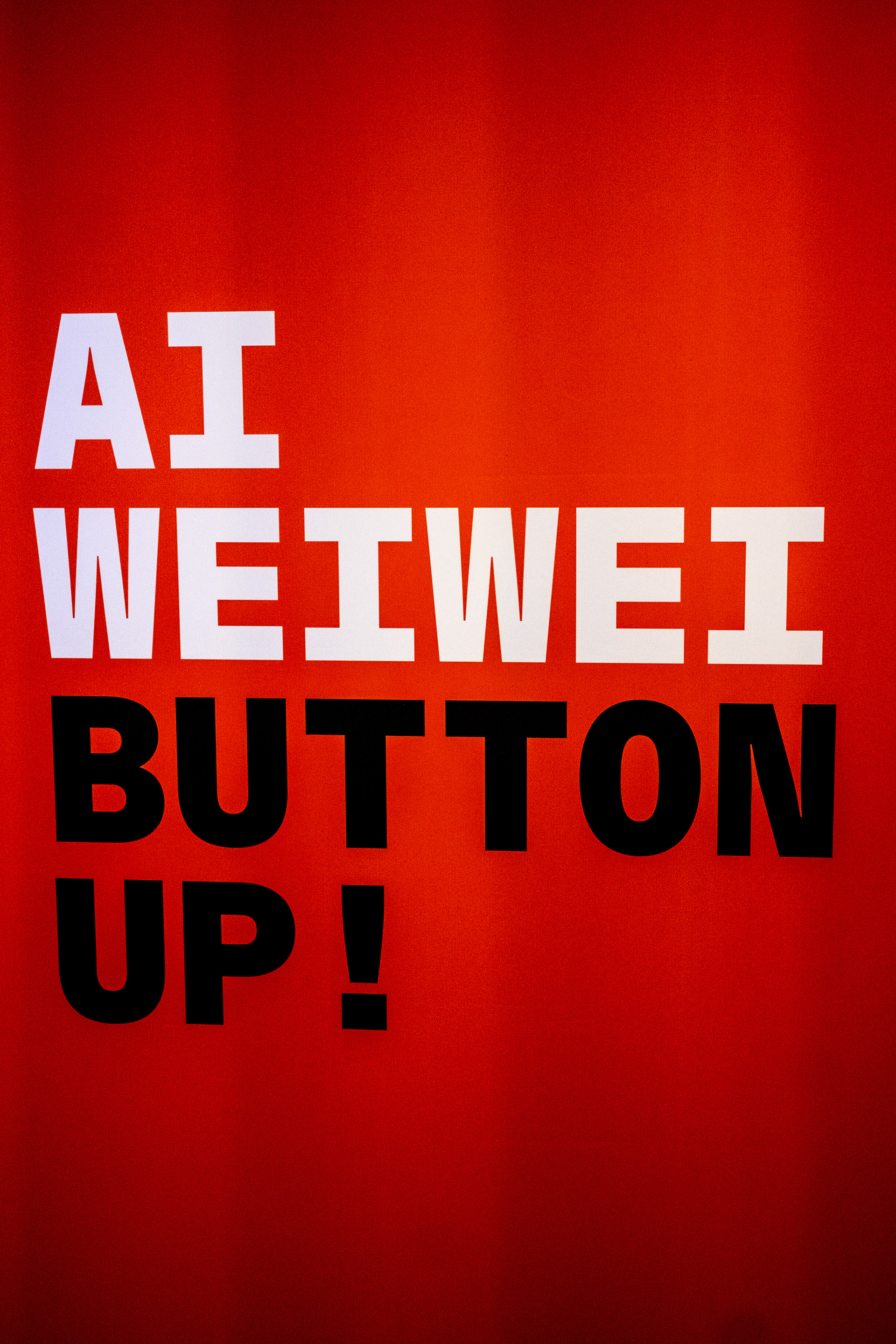
The location of the exhibition was important. Manchester became one of the defining centres of the Industrial Revolution, particularly through cotton manufacturing, textiles, engineering and international trade. The city's industrial wealth was closely connected to Britain's expanding commercial and imperial power. Factory International describes Button Up! as an exhibition about two centuries of relations between Britain and China. By using Manchester's industrial history as a starting point for thinking about trade, empire, exploitation and globalisation.
This made the choice of Manchester feel deliberate. Ai Weiwei was not simply bringing a collection of artworks to an available warehouse. He was placing work about China, Britain, production, capitalism, empire and political power inside a city that was itself transformed by industrialisation and global trade. Manchester's cotton industry helped create enormous wealth and helped connect Britain to markets and labour across the world.
The same systems that created industrial progress also became tiedto colonialism and unequal relationships between countries.
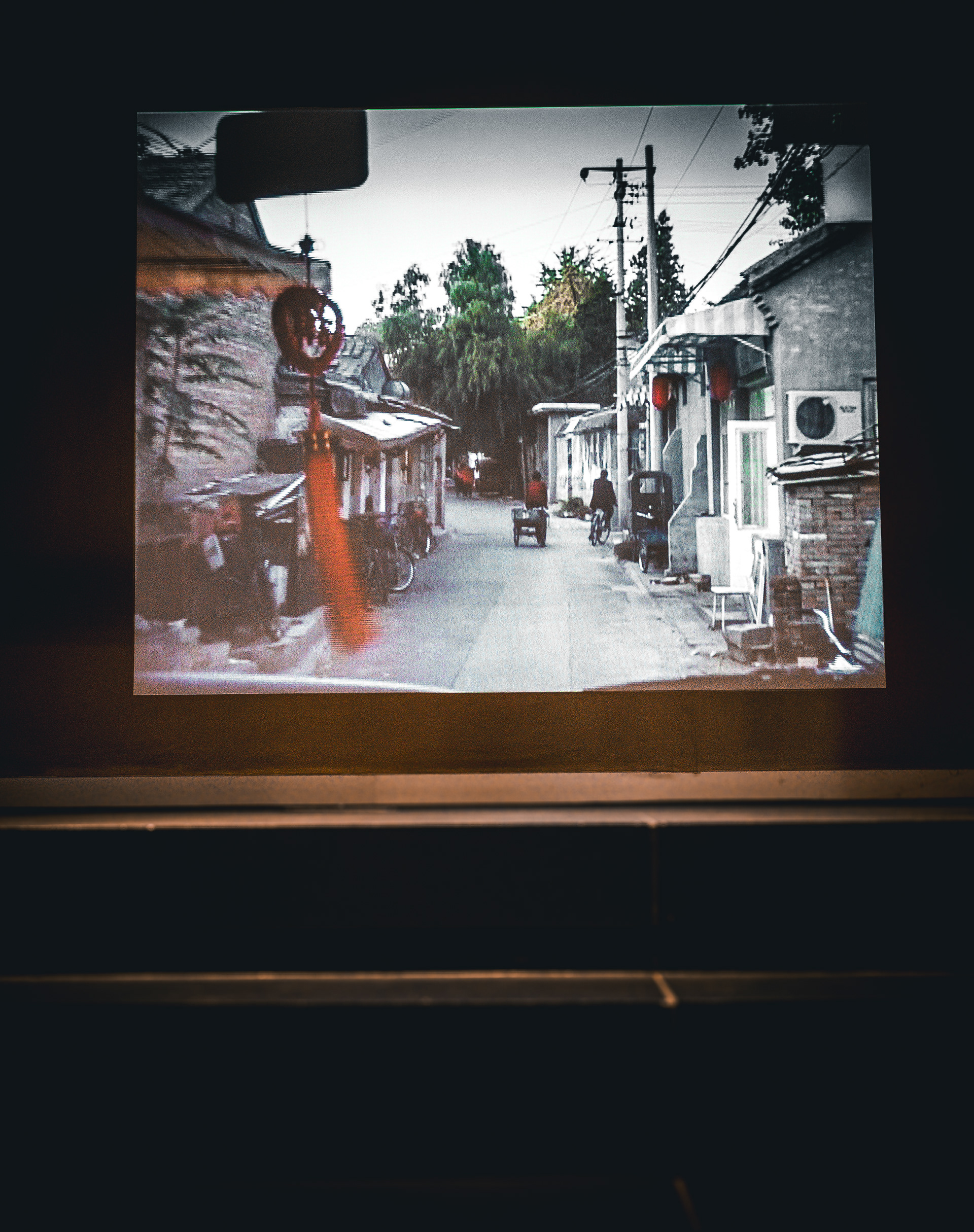
I encountered a film in the foyer before reaching the main exhibition upstairs. It showed the destruction and clearance of parts of China as the country underwentrapid modernisation. Older buildings, settlements and historic areas were being demolished and cleared to make way for new developments.
I found this a powerful introduction because it immediately established one of the main concerns running through Ai Weiwei's work:
What happens to history when a society decides that progress is more important than preservation?
The destruction of these places is not only physical. Buildings can hold family histories, memories, traditions and connections to previous generations. When they disappear, something more than bricks and timber is lost.
This is a recurring concern in Ai Weiwei's work. He has repeatedly used damaged, demolished, displaced or discarded objects as a way of questioning what happens to cultural memory. His practice sits between art, activism and political criticism. He doesn't simply ask us to admire old objects because they are beautiful; he asks us to think about how they survived, who destroyed them, who preserved them and who has the authority to decide what is worth remembering.
Manchester, trade and the Opium Wars
The Manchester location also made me think about the history between Britain and China. Before the nineteenth century, China's trade with Western merchants was heavily restricted under the Canton System. Foreign merchants were largely confined to trading through Guangzhou (Canton) and through a group of Chinese merchants known as the Cohong.
British demand for Chinese tea, silk and porcelain was enormous, while Britain wanted to expand its access to Chinese markets. The trade imbalance became one of thereasons Britain became heavily involved in the opium trade. Opium grown largely in British-controlled India was sold into China despite Chinese attempts to suppress the trade. This was because of its destructive social and economic effects.
The First Opium War began in 1839 after Qing authorities moved against the illegal opium trade. Britain defeated Qing China, and the Treaty of Nanjing in 1842 forced China to make major concessions. This included opening additional ports to foreign tradeand ceding Hong Kong to Britain. A second conflict when France joined Britain for the Second Opium War (1856–60) - this resulted in further concessions to Western powers.
This history is important when looking at Button Up! because the exhibition is not presenting industrialisation as an isolated British success story. Manchester's industrial expansion was part of a much larger global system of production, trade and empire.
Ai Weiwei brings Britain and China into the same historical frame and asks us to consider the consequences of that relationship
East and West
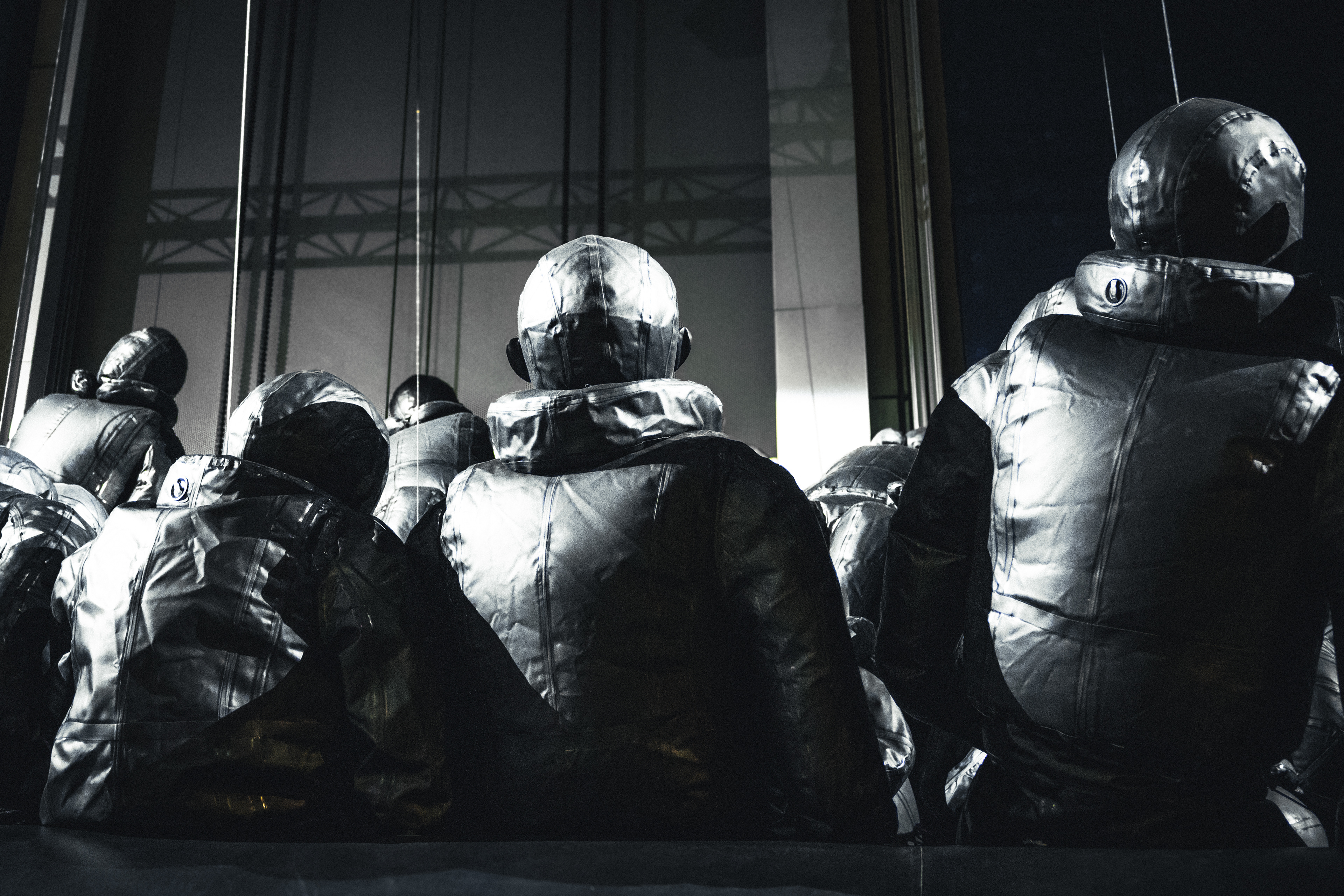
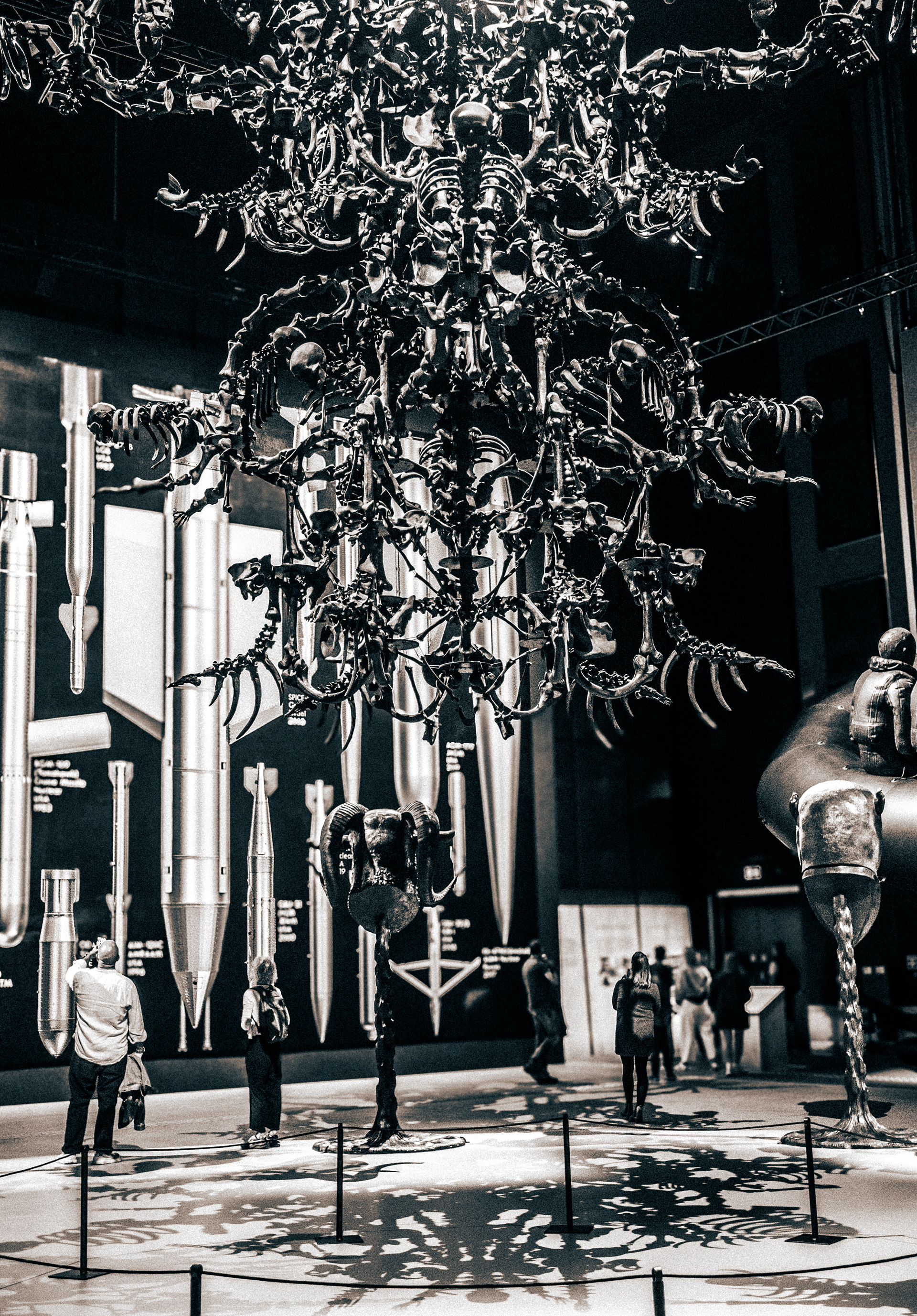
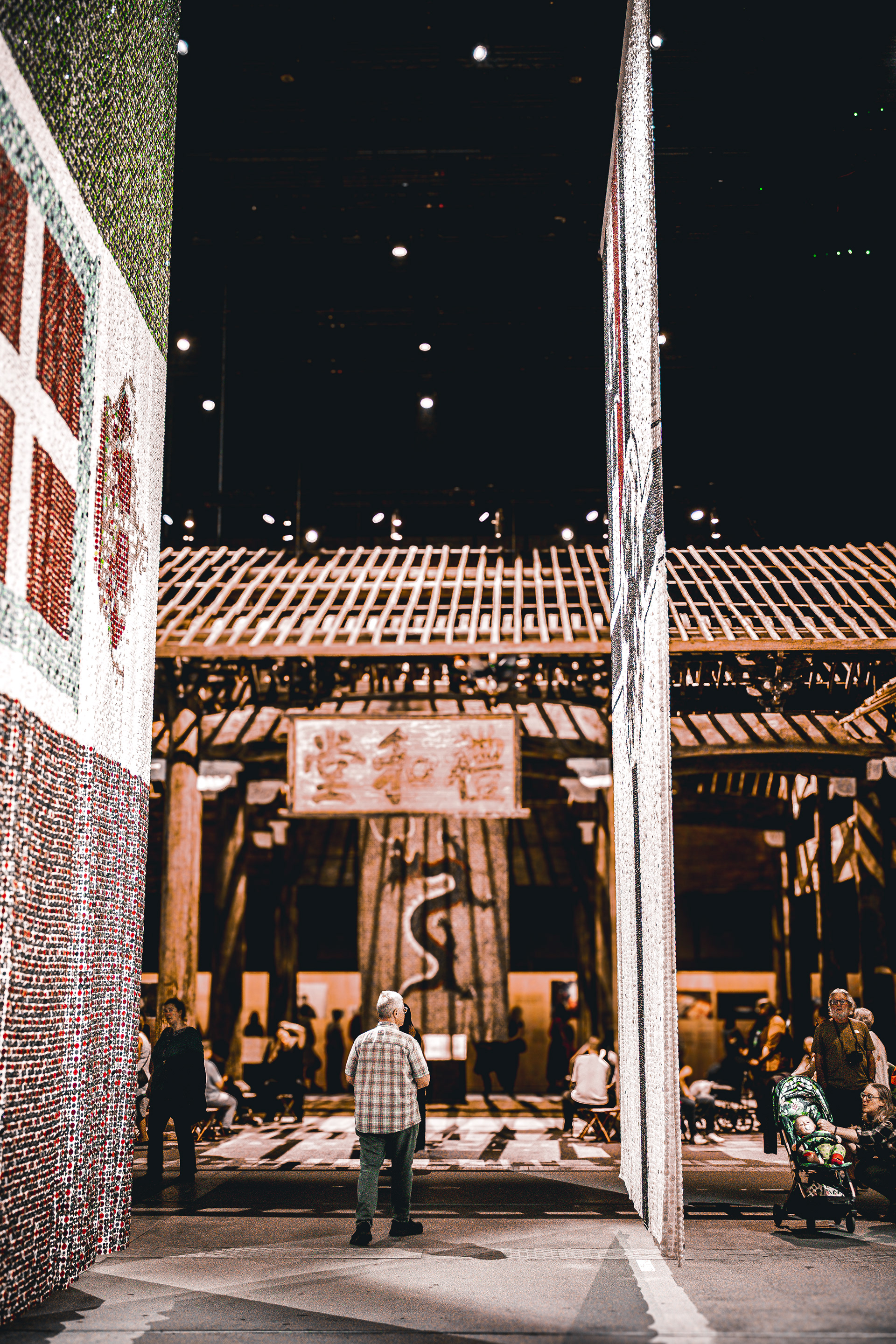
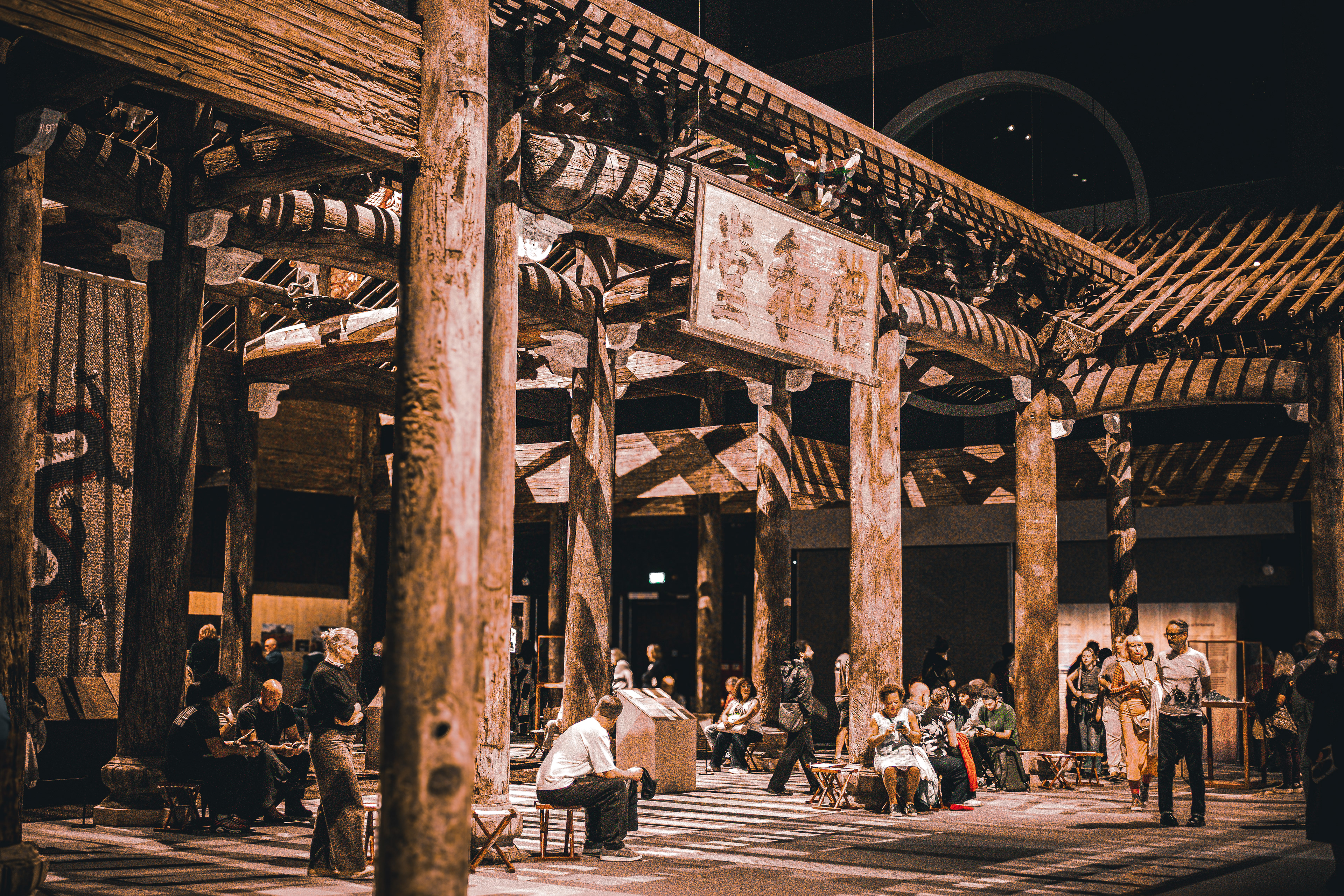
The positioning of the works also caught my attention. At one end of the enormous space were the representations of weapons and destruction, while towards the other was the reconstructed Wang Family Ancestral Hall. I remember noticing the orientation of the temple and thinking about it as an east-facing-west relationship.
I don't know whether this was intended as a direct symbolic statement by Ai Weiwei so I don't want to claim that it definitely was. However, I found myself reading it politically. The physical arrangement seemed to create a conversation between East and West, between destruction and preservation, between modern military power and an ancient cultural structure.
The exhibition made me think about how those two histories eventually collided.
The placement of the ancestral hall within this enormous industrial warehouse seemed almost like an object from another time that had survived and been transported into the present.
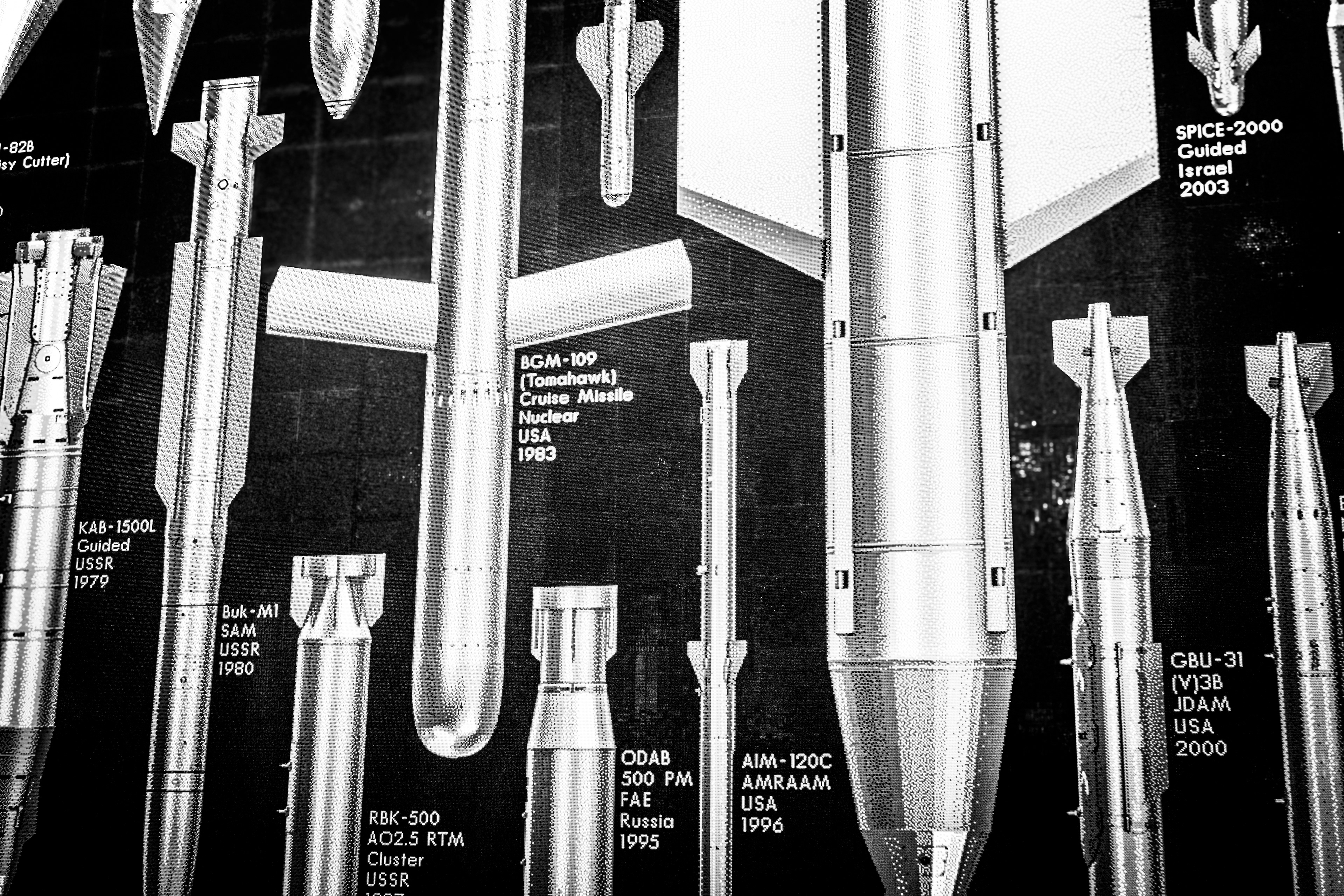
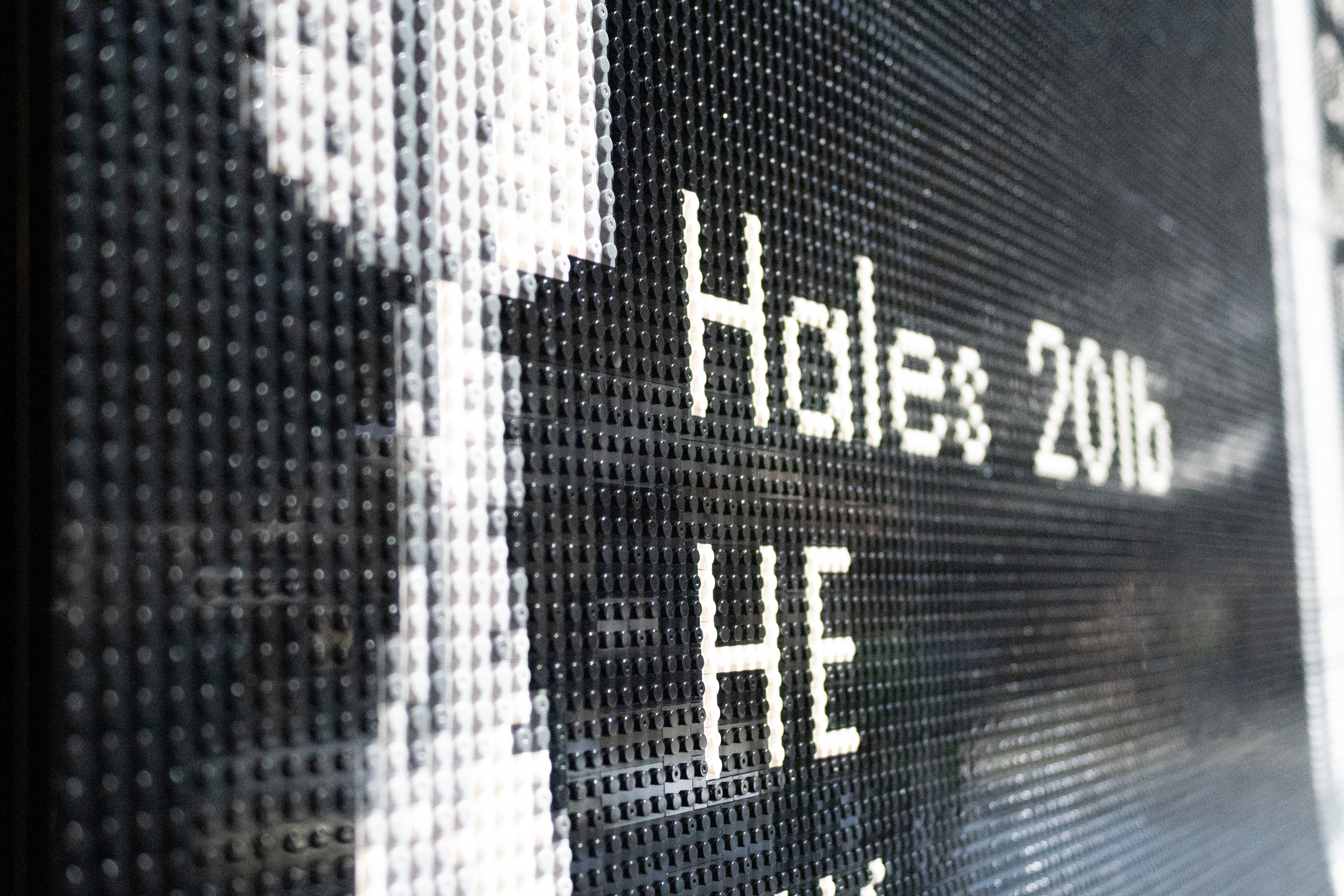
The first view of the exhibition
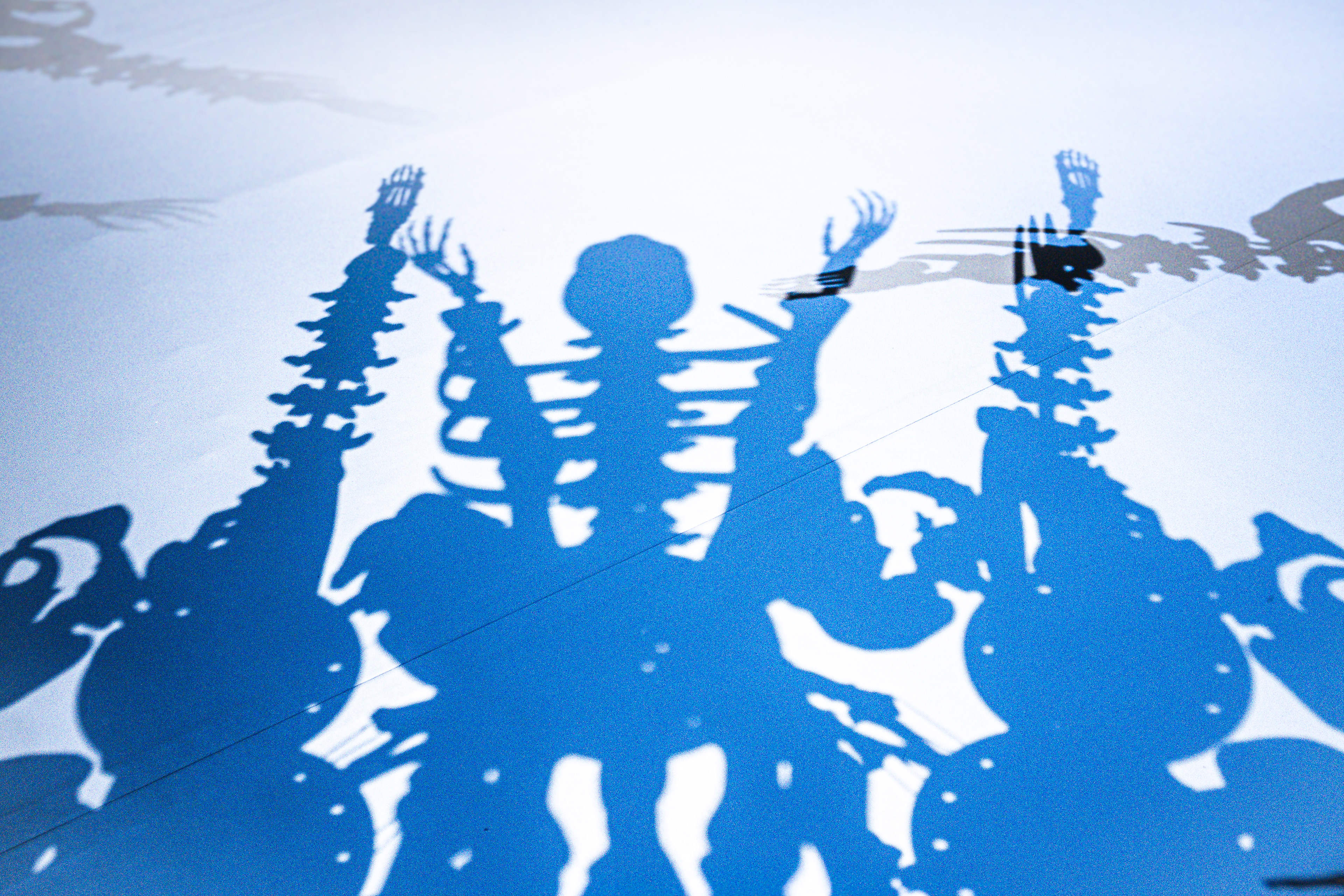
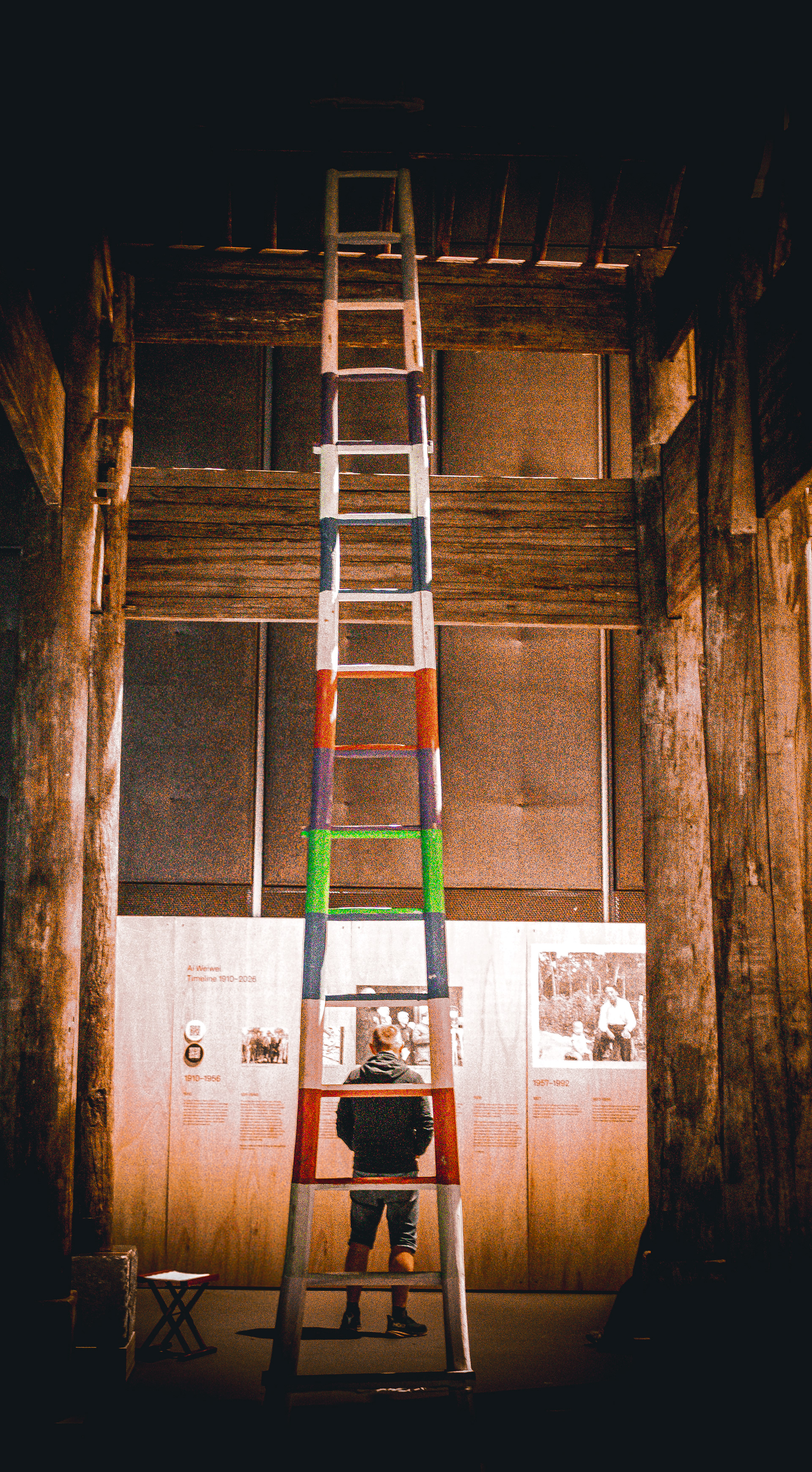
The exhibition itself was on the first floor. The space was enormous. It reminded me somewhat of the Arsenal in Venice - although on a much smaller scale. Having only recently been at the Venice Biennale I was already thinking about how architecture changes the way artwork is experienced.
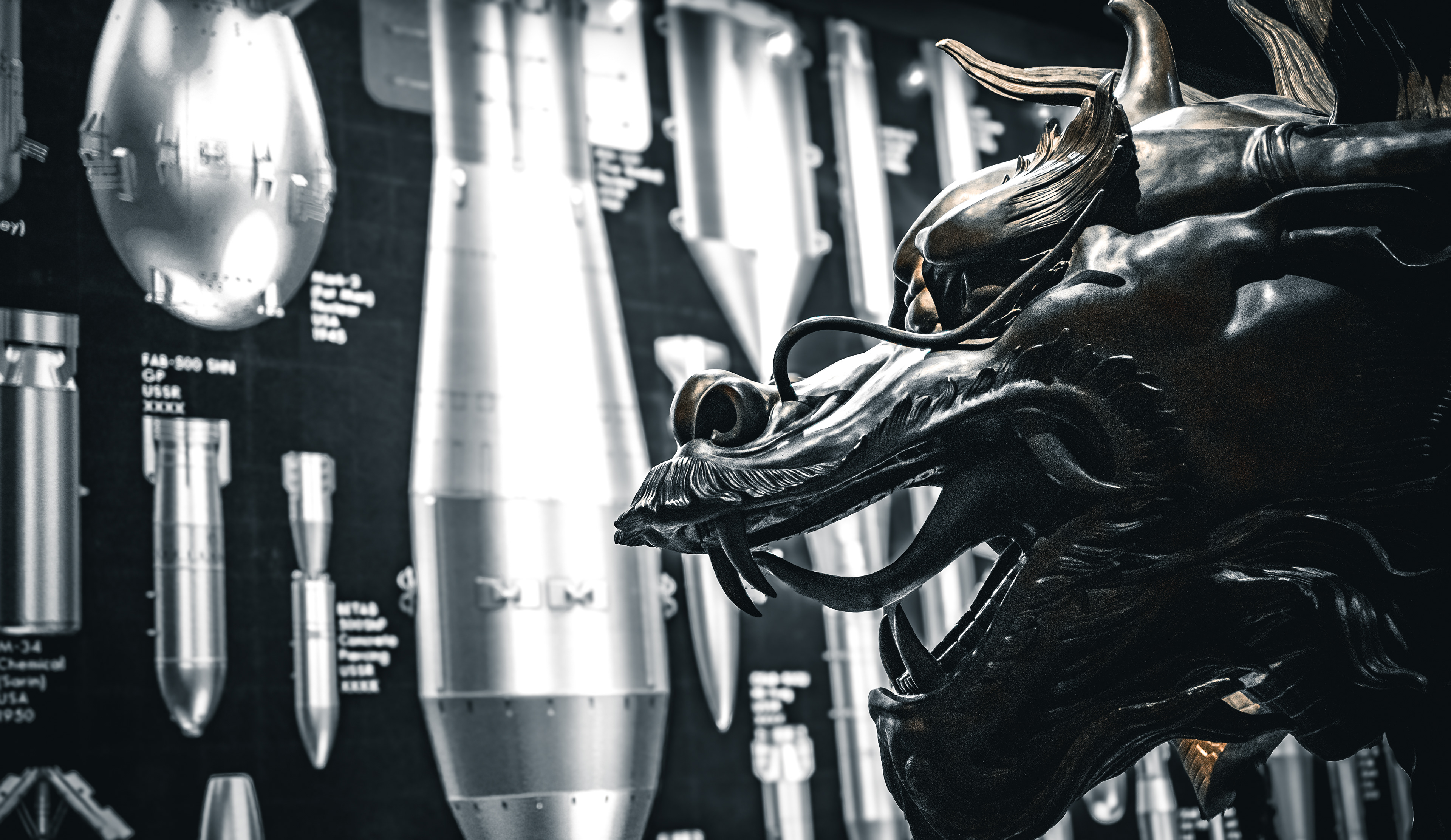
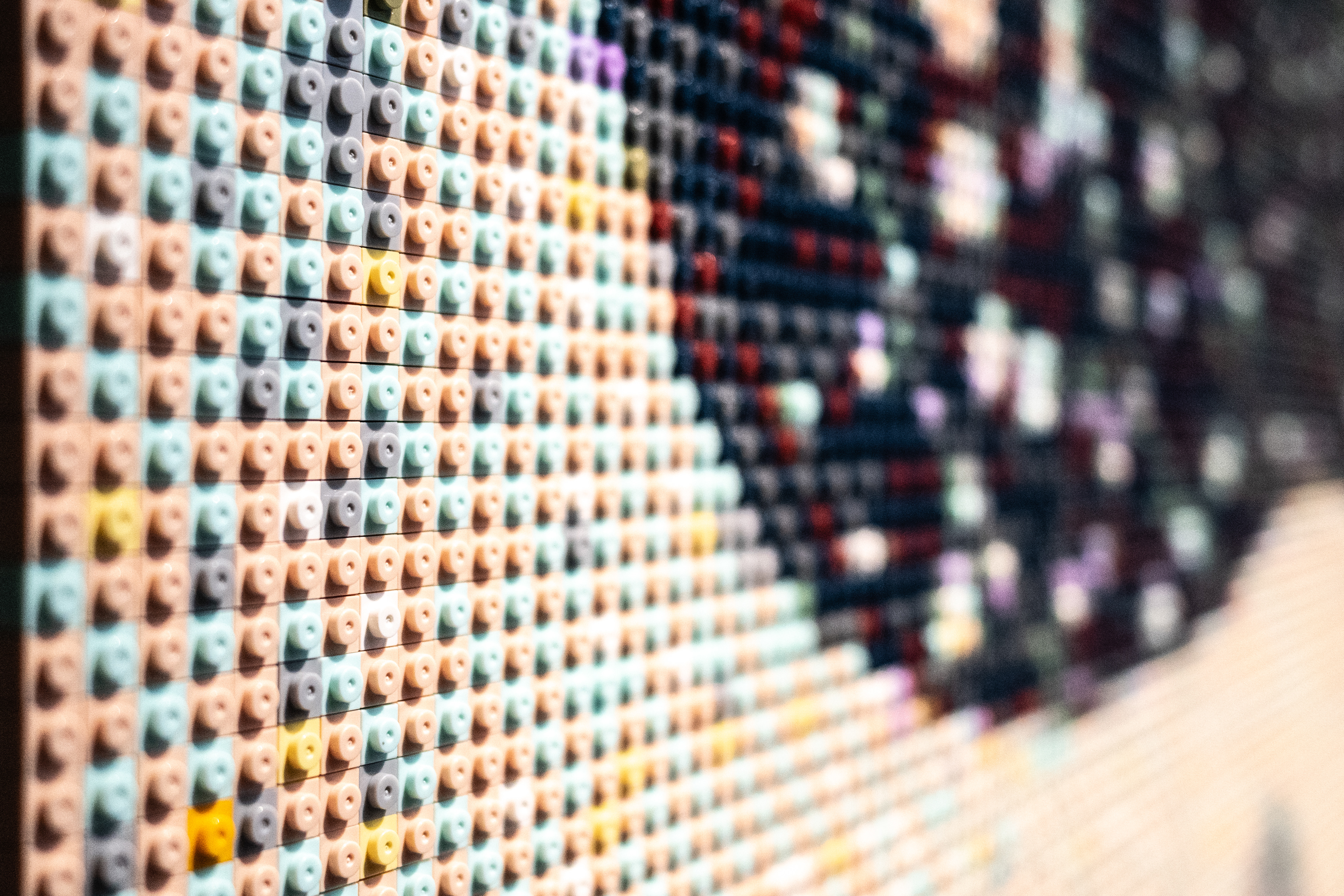
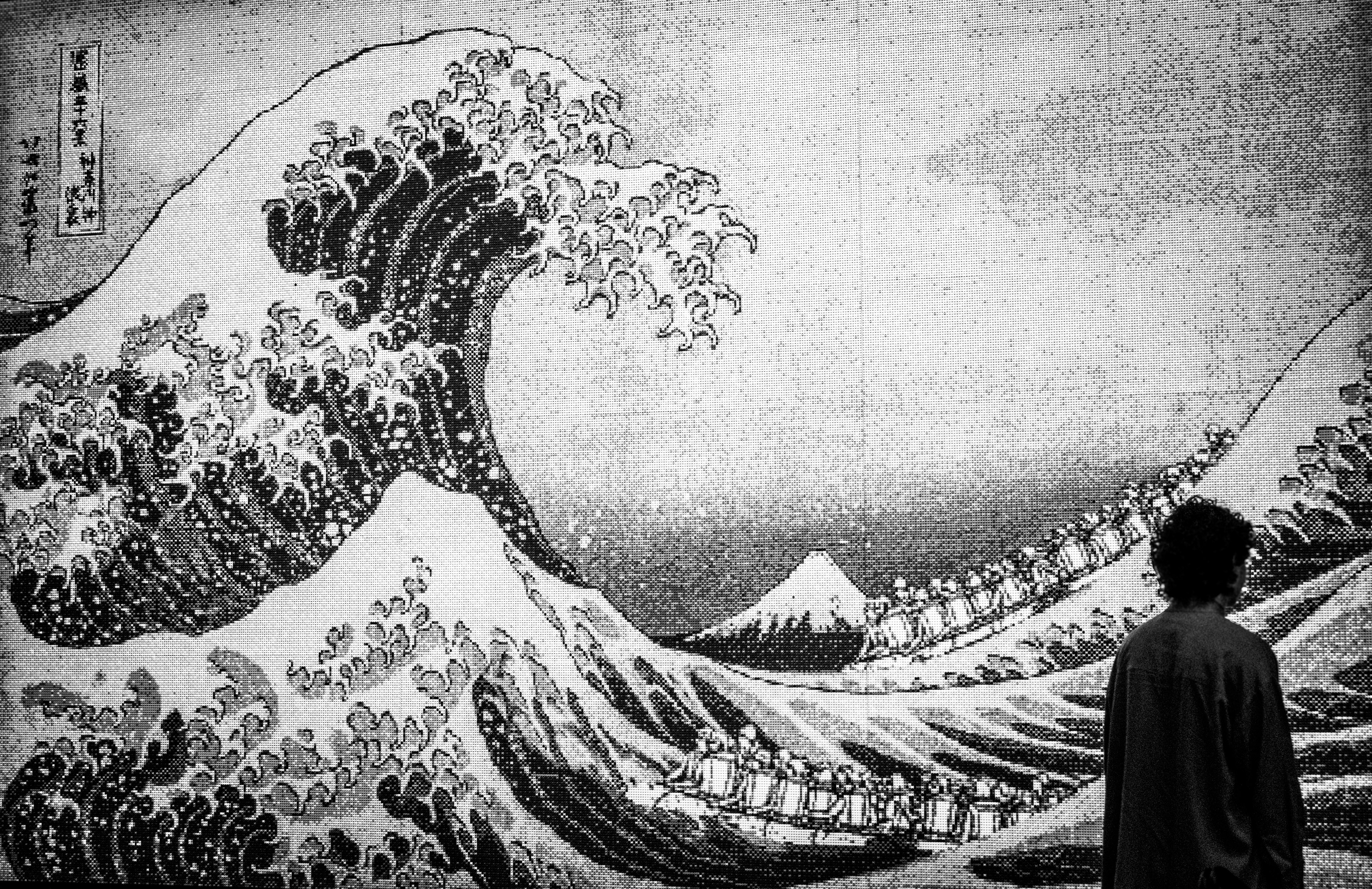
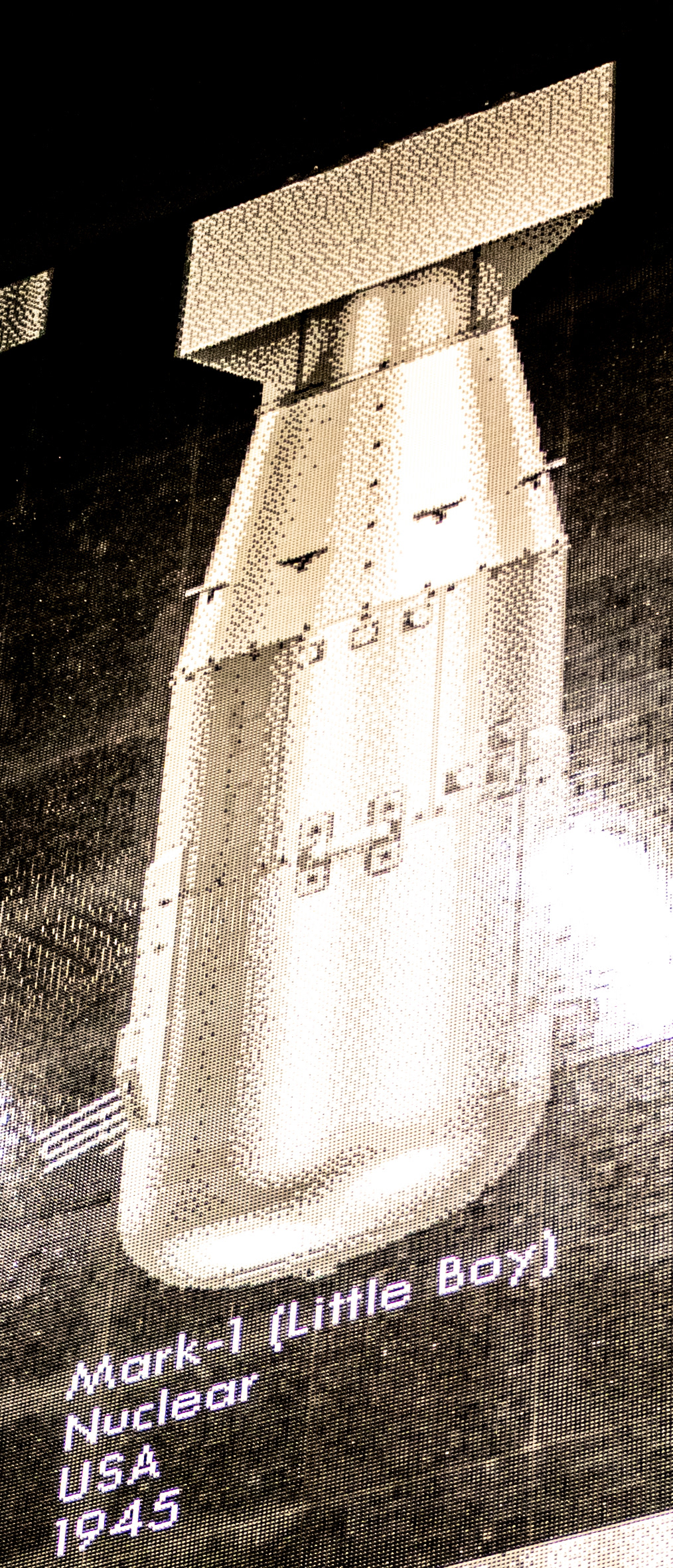
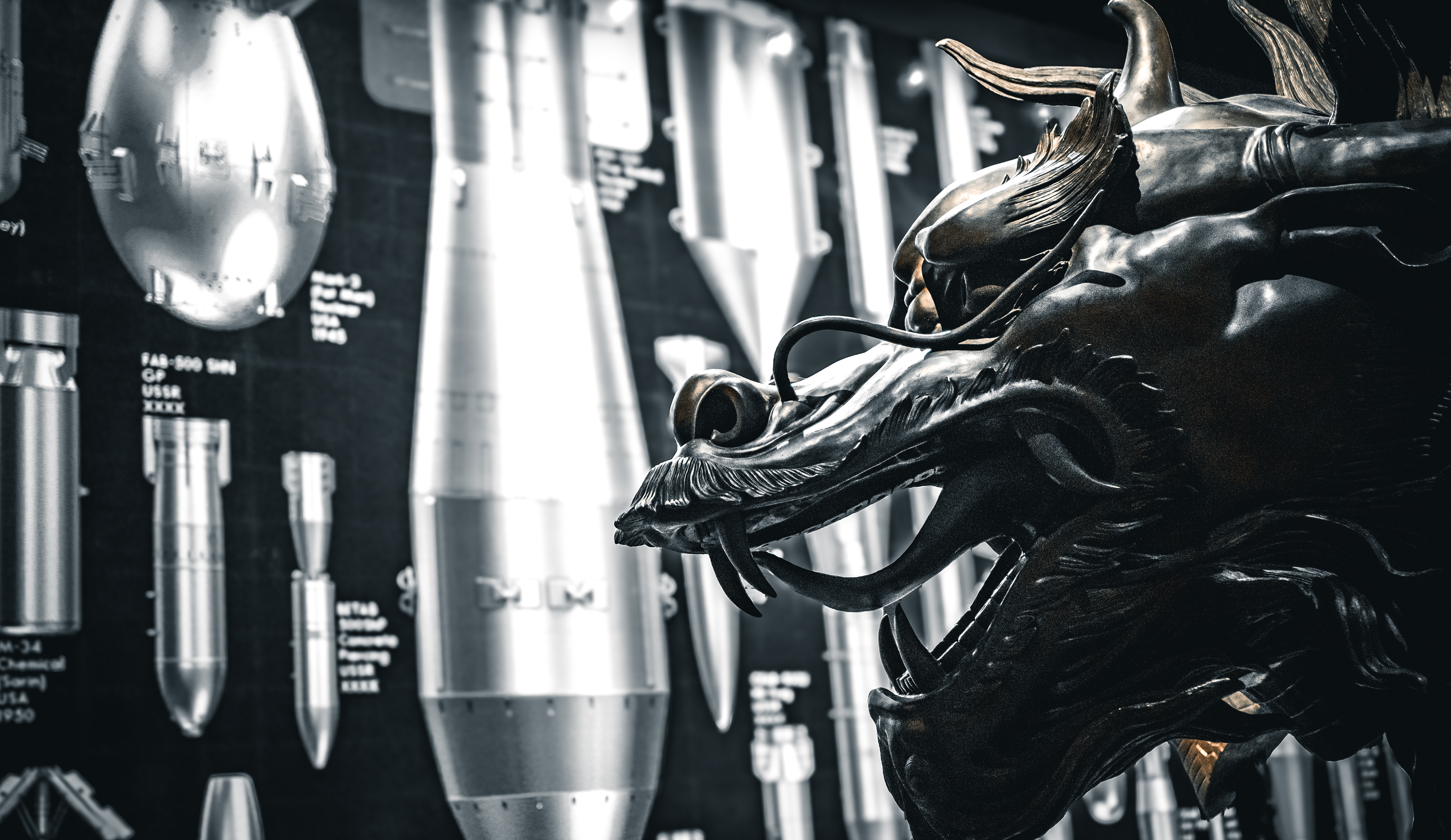
The first thing that struck me when I entered was the sheer scale of the installation. One of the largest works was History of Bombs - a huge wall-like composition showingweapons ranging from conventional explosives to weapons of mass destruction. It was made from millions of small toy construction bricks. The imagery was paradoxical and strangely familiar because the material was associated with childhood and play yet what was being represented was war and destruction.
This contrast between the innocent and the destructive interested me. The individual plastic bricks are small, simple and almost meaningless on their own, but when assembled together they create something enormous. It made me think about how systems of power are constructed from thousands or millions of individual decisions, workers, materials and actions.
It also made me think about the relationship between China and global manufacturing. LEGO now has a major manufacturing facility in Jiaxing, China. This is where plastic granules are moulded into millions of elements and where minifigures are decorated and assembled.
This gives the use of toy bricks another layer of meaning. The material is not simply "Chinese" or "Western"; it belongs to a global manufacturing system. Ai Weiwei uses a mass-produced material to represent another kind of mass production: the industrial production of weapons.
Eight-Nation Alliance Flags
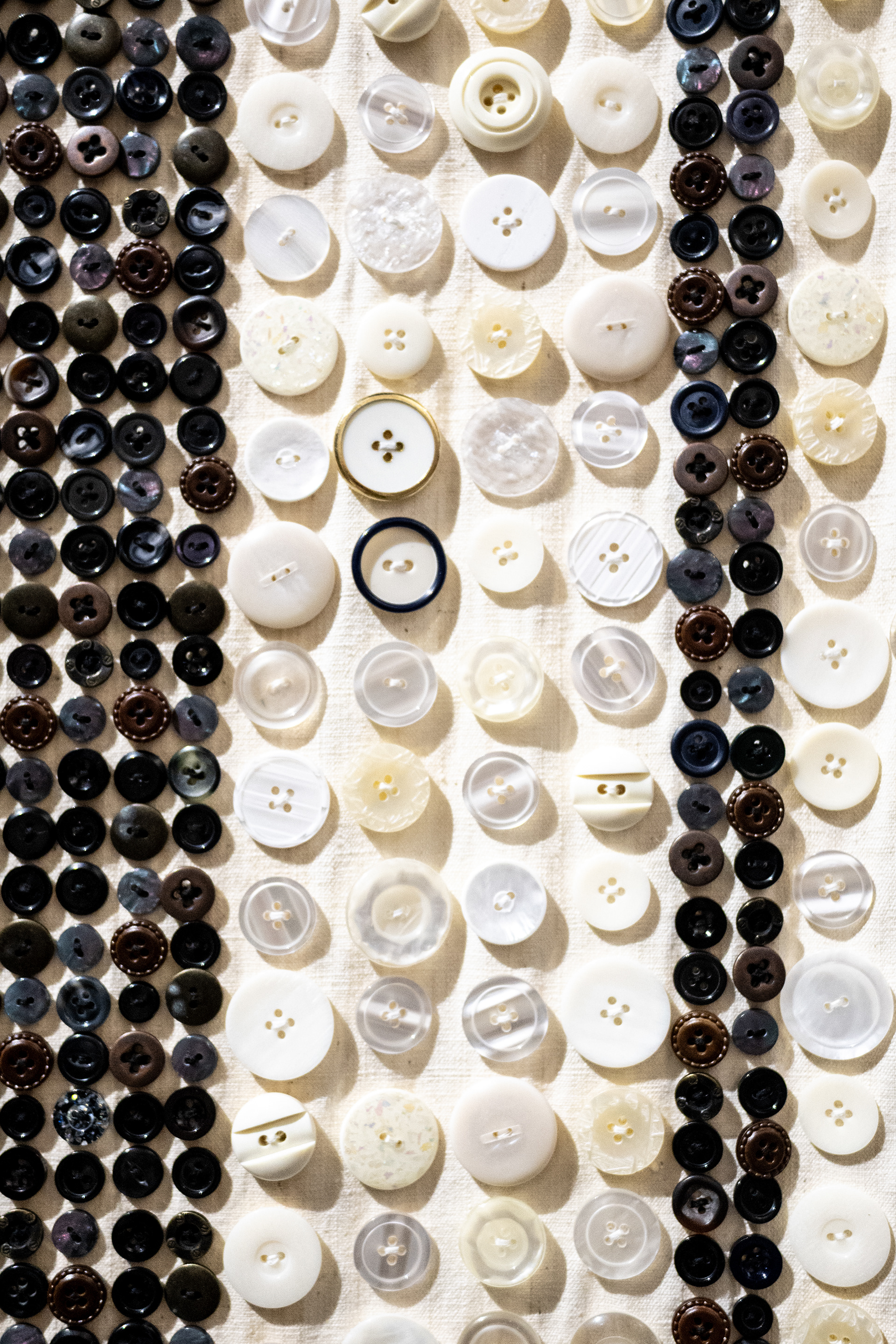
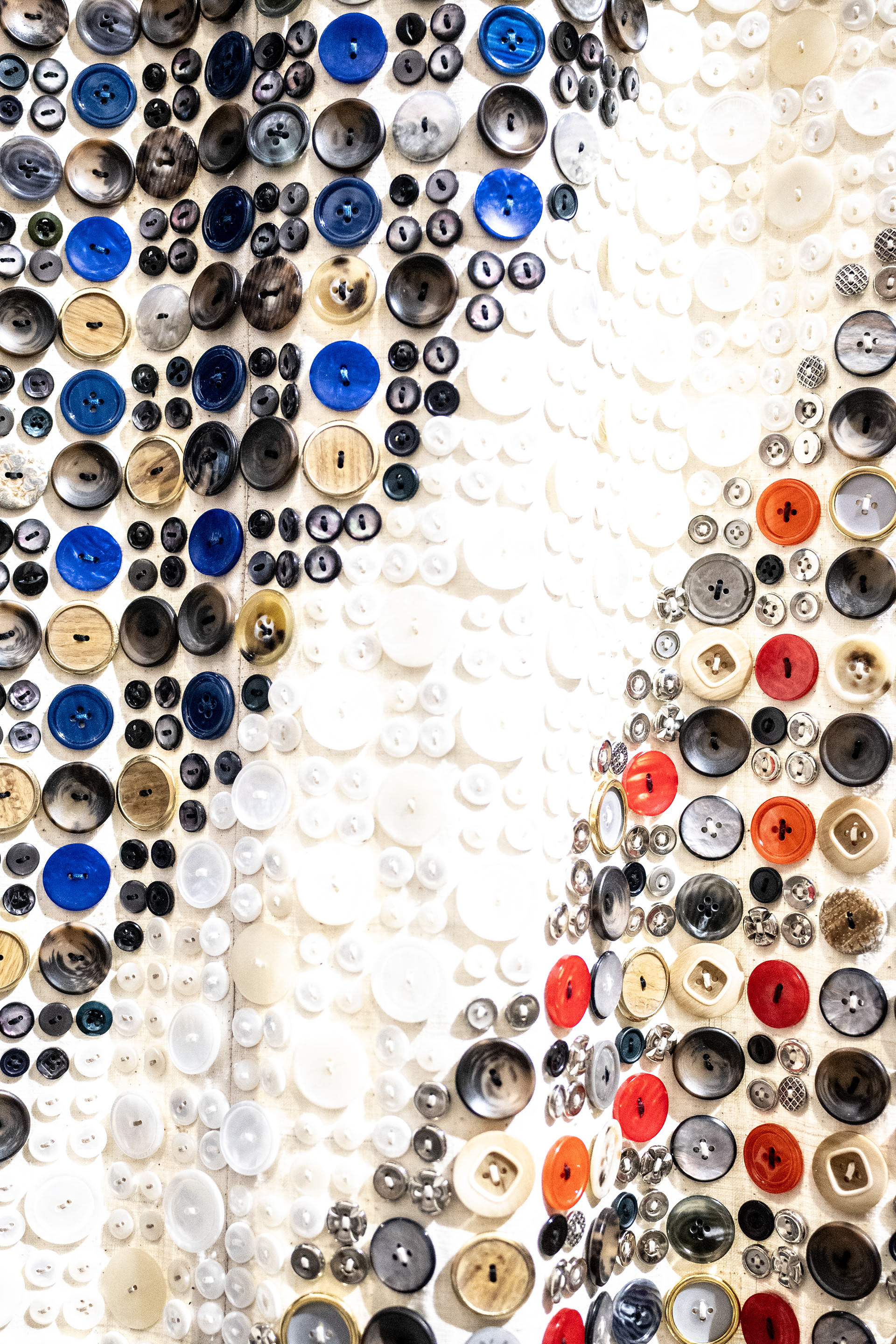
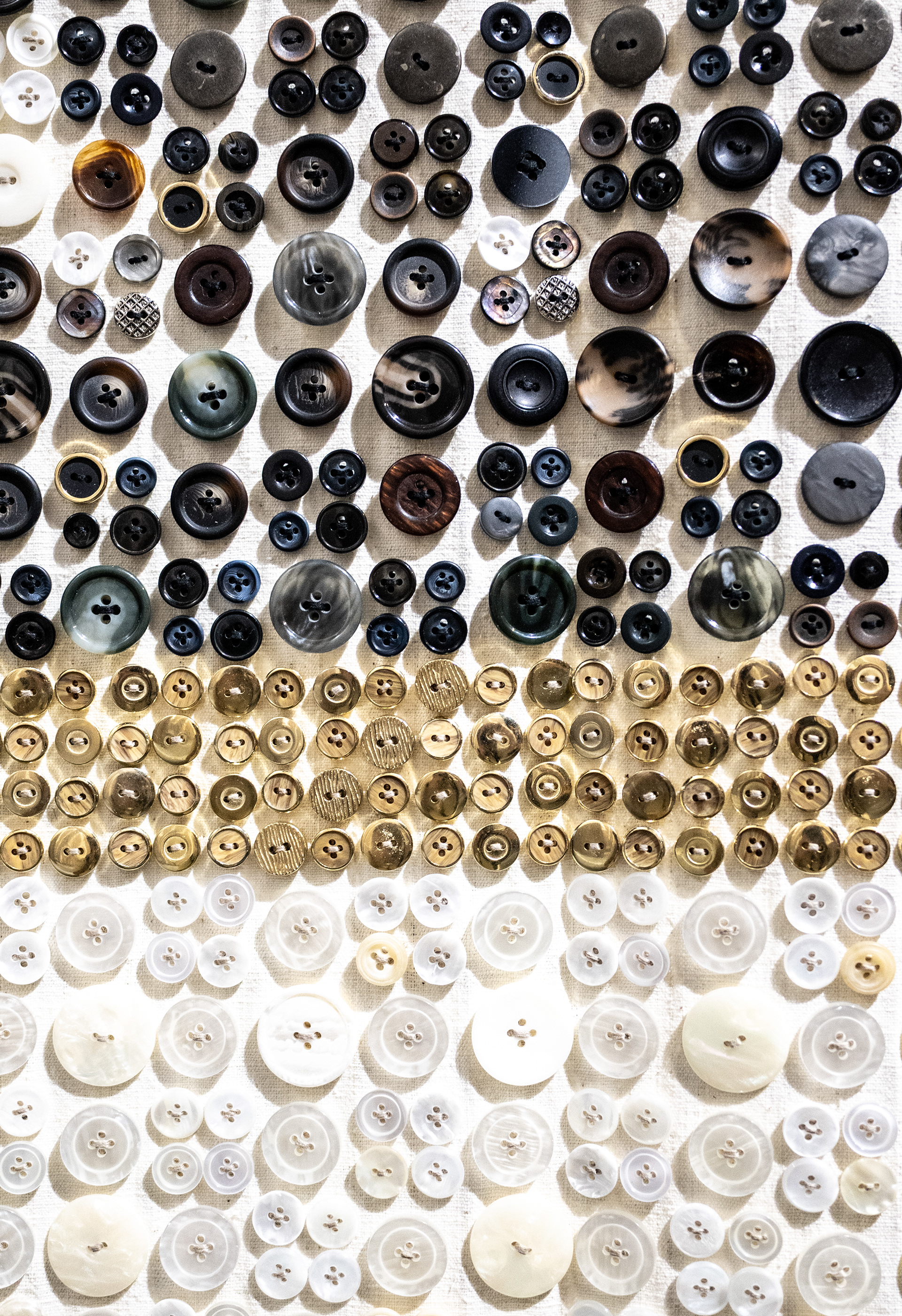
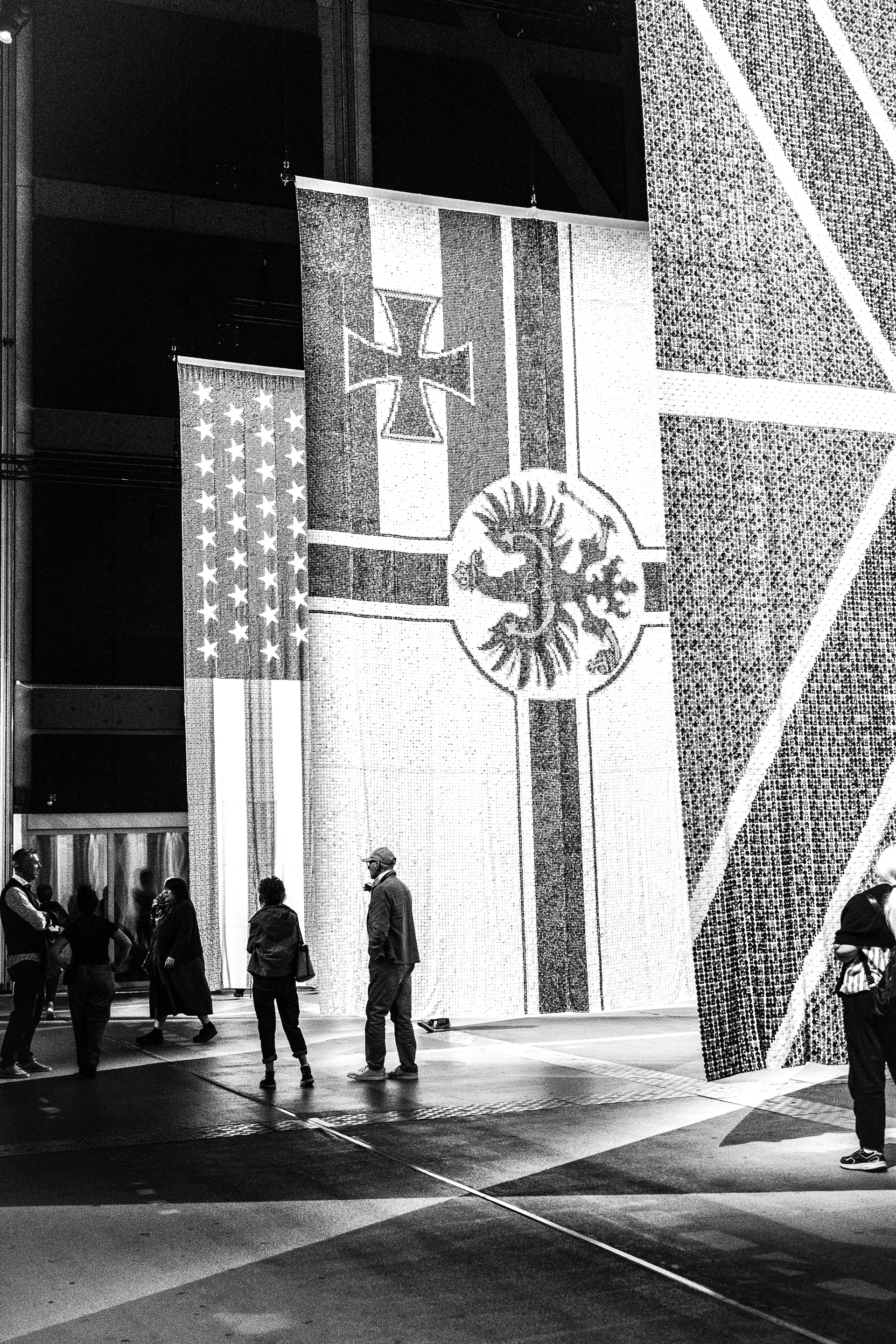
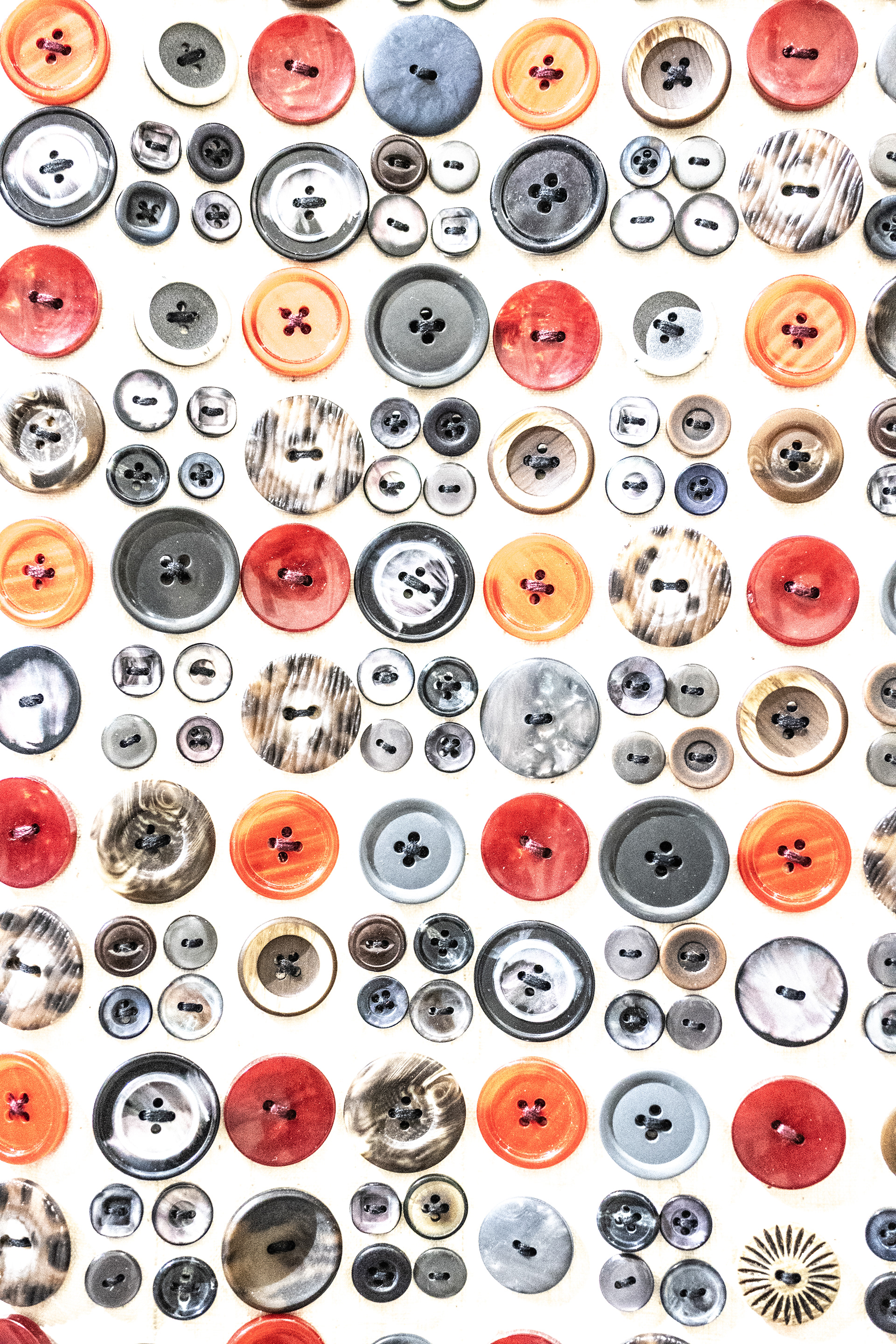
Another major work that immediately caught my attention was the enormous group of eight flag-like sails made from buttons. These represent the Eight-Nation Alliance ( Britain, France, Germany, Italy, Japan, Russia, the United States and Austria-Hungary) . These countries intervened in China in 1900 during the Boxer Rebellion. This is a different historical event from the Opium Wars although both belong to the much longer history of Western intervention and unequal relations with China.
The flags were particularly appropriate for Manchester because they connect national power with industrial production. Ai Weiwei used around 30 tonnes of buttons originally acquired from the closing British button manufacturer A Brown & Co in Croydon. The buttons were transported to China, where 33 artisans worked for 281 days to make the enormous flags. Each flag contains hundreds of thousands of individual buttons.
I heard the guide explaining how long the flags had taken to produce and how many people had worked on them. I became much more aware of the labour hidden inside the finished artwork. From a distance, the flags look like enormous symbols of national power. Up close again they are made from thousands upon thousands of tiny individual objects.
I found this quite interesting because a national flag normally represents unity and collective identity. 'Ai' has broken that sense of unity down into individual buttons. Each button is almost insignificant but collectively they create something enormous.
The buttons also have their own journey. They were originally part of an English industrial business, then became unwanted surplus, were transported to China, transformed through traditional sewing techniques, and finally returned to Britain to be exhibited in Manchester. This creates a strange circular journey between Britainand China, industry and craft, mass production and individual labour.
It also links strongly to Manchester's own industrial history. The cotton and textile industries depended on enormous amounts of labour and materials, while the finished products were distributed around the world. Ai seems to be turning that history back on itself.
The six-clawed dragon
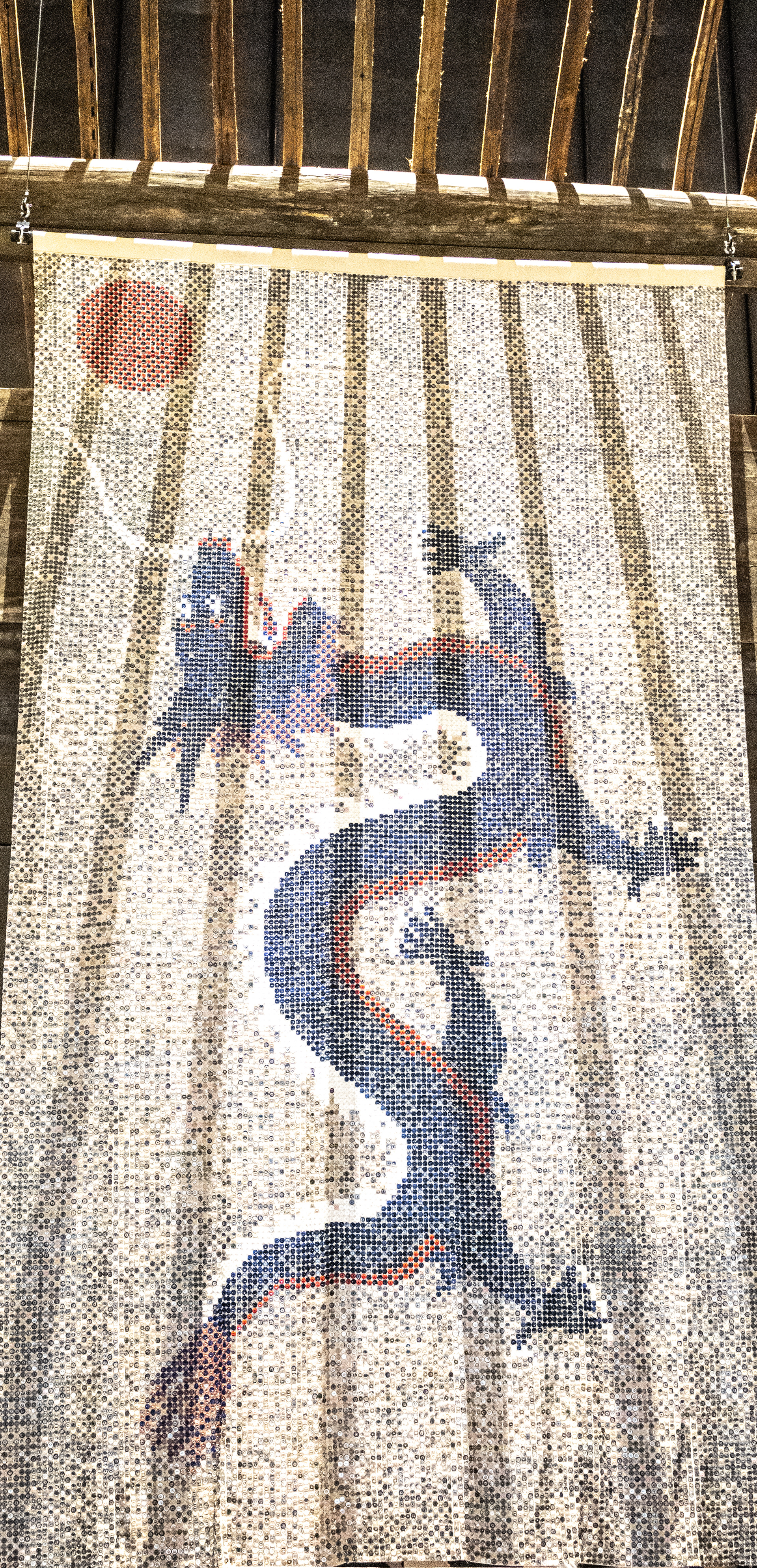
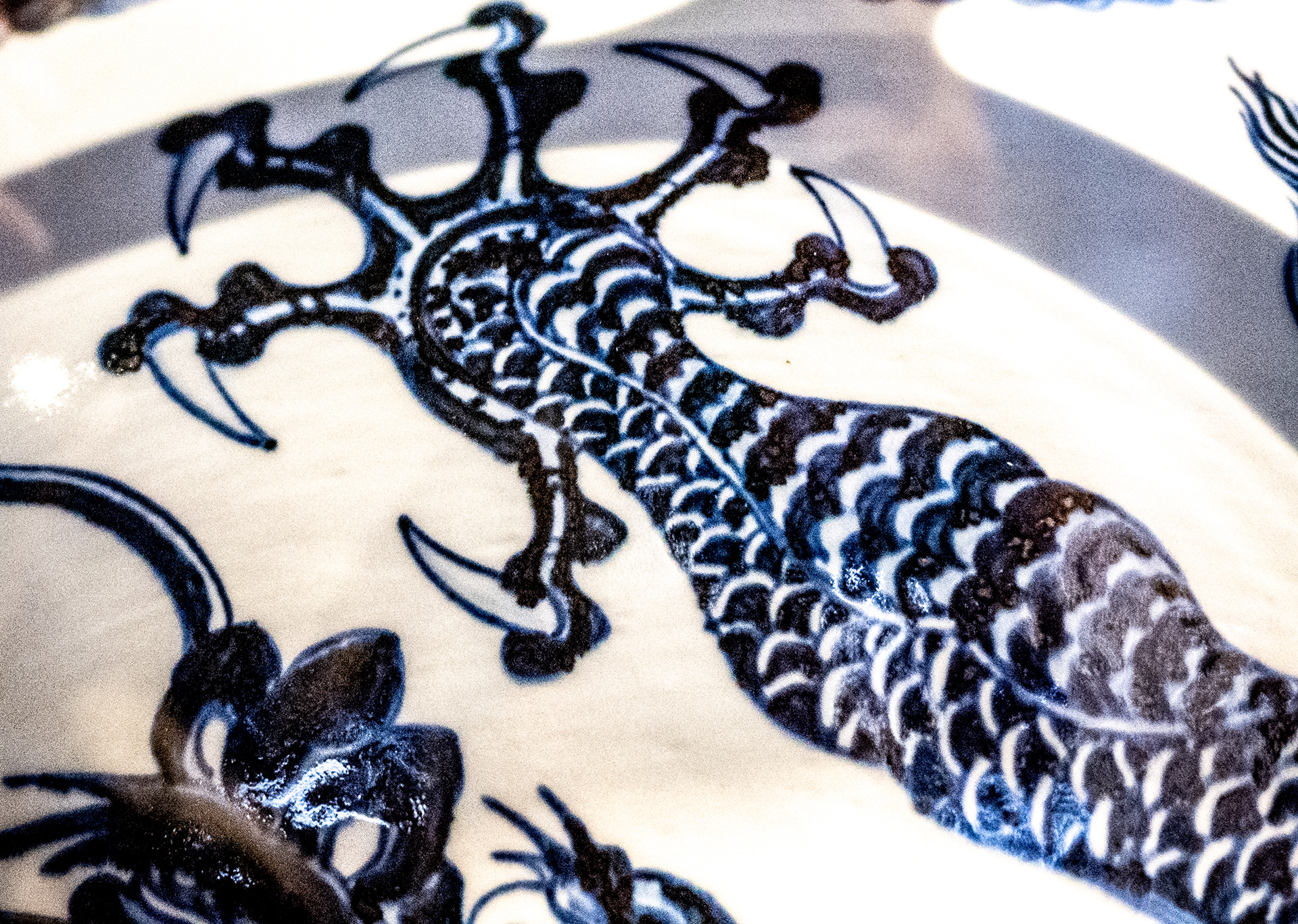
Traditionally, the imperial dragon was associated with the authority of the Chinese emperor, and imperial imagery commonly used a five-clawed dragon. Ai's use of a six-clawed dragon deliberately disrupts this traditional symbol ofauthority.
I found this interesting because the dragon is normally such a powerful symbol of Chinese identity and imperial power. By Ai Wei Wei changing the number of claws he alters something that appears very small but has a significant historical meaning.
It reminded me of the way he uses buttons and Lego. He takes something that appears insignificant - a button, a toy brick, an altered detail on a vase and then gives it a political meaning.
The six-clawed dragon could therefore be read as a small act of disruption. It questions who is allowed to possess symbols of authority and whether traditional symbols have to remain fixed.
The six stacked vases
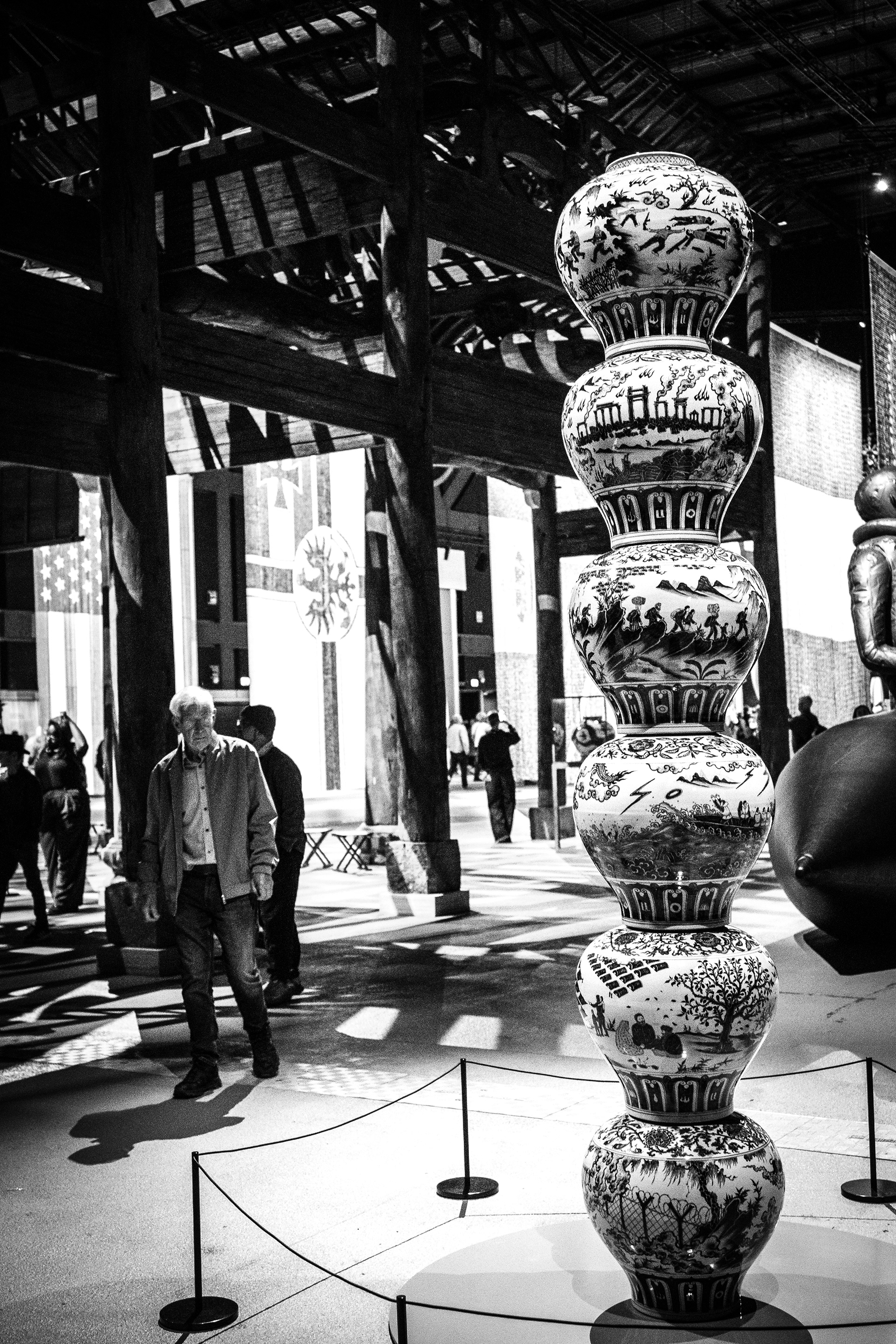
I was also interested in the six stacked porcelain vases. The work Porcelain Pillar with Refugee Motif consists of six large blue-and-white porcelain vessels stacked vertically. The traditional appearance of the porcelain initially made me think about Chinese heritage and craftsmanship, but the imagery on the vessels is much more contemporary.
The six vases contain scenes relating to the experience of refugees: war, ruins, journeys, crossing the sea, refugee camps and demonstrations. The work therefore takes a traditional Chinese material and visual language and uses it to represent acontemporary humanitarian crisis.
I found the fragility of the porcelain important. Porcelain looks beautiful and valuable but it can also break very easily. Stacking six vessels vertically makes the whole structure appear vulnerable. It seemed to me that this fragility reflected the vulnerability of the people represented in the imagery.
Again, Ai combines something historically valuable with something politically urgent. Instead of painting traditional landscapes or decorative motifs he uses the same visual language to show people fleeing war and violence.
Ai Weiwei and his father
One thing I had initially misunderstood was Ai Weiwei's relationship to the Qing dynasty. His father, Ai Qing was not a poet from the Qing dynasty. He was a famous twentieth-century Chinese poet. His father was born in 1910 shortly before the Qing dynasty ended and the Republic of China was established.
Ai Qing was denounced as a "rightist" by the Communist government and was sent into political exile with his family. During the Cultural Revolution he was forbidden to publish his poetry and was forced to perform humiliating labour, including cleaning public toilets. Ai Weiwei grew up experiencing this political persecution alongside his father.
This personal history seems very important to Ai Weiwei's development as an artist. He witnessed what happened when an outspoken intellectual was treated as a threat by the political system.
His father's experience seems to have taught him that speaking, writing and making art can become political acts. Ai Weiwei has carried this idea into his own practice, particularly through his criticism of censorship and his willingness to investigate subjects that authorities would prefer to remain hidden.
This made me think differently about the title Button Up!. To "button up" can simply mean fastening a piece of clothing, but it can also suggest telling someone to be quietor to stop speaking. The humble button therefore becomes connected to censorship. Something used to close and contain can also become the material through which Ai speaks.
My response to Button Up!
After leaving the exhibition, I created two conceptual pieces of work in response to what I had seen.
Rather than trying to reproduce Ai Weiwei's artworks, I wanted to take some of the ideas that had stayed with me - Chinese history, mass production, global trade, cultural objects, the relationship between East and West. I wanted to look at the way ordinary objects can be given political meaning and translate them into my own work.
'FAke’
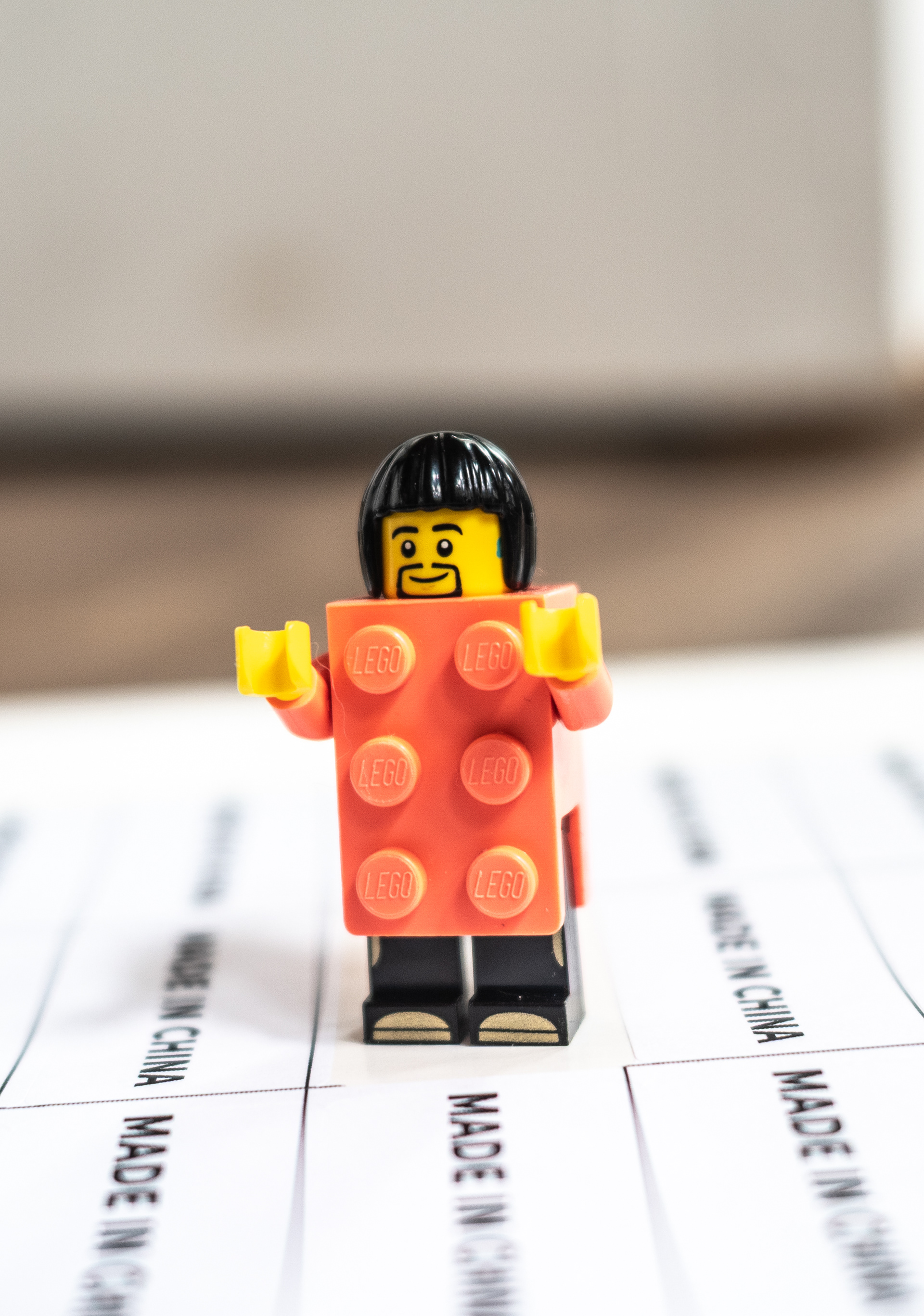
This work explores mass production, authenticity, missing voices and individual resistance.
It directly references Ai Weiwei’s original FAKE Design Studio in China (demolished 2018)
and his questioning of authenticity and authority. Some stickers have been deliberately
removed. I like to think these are the gaps that represent missing or unheard points of view...
The LEGO figure represents the individual within a mass-produced system, while the altered
and missing stickers challenge what is considered real, original, controlled or absent.
'the Label'
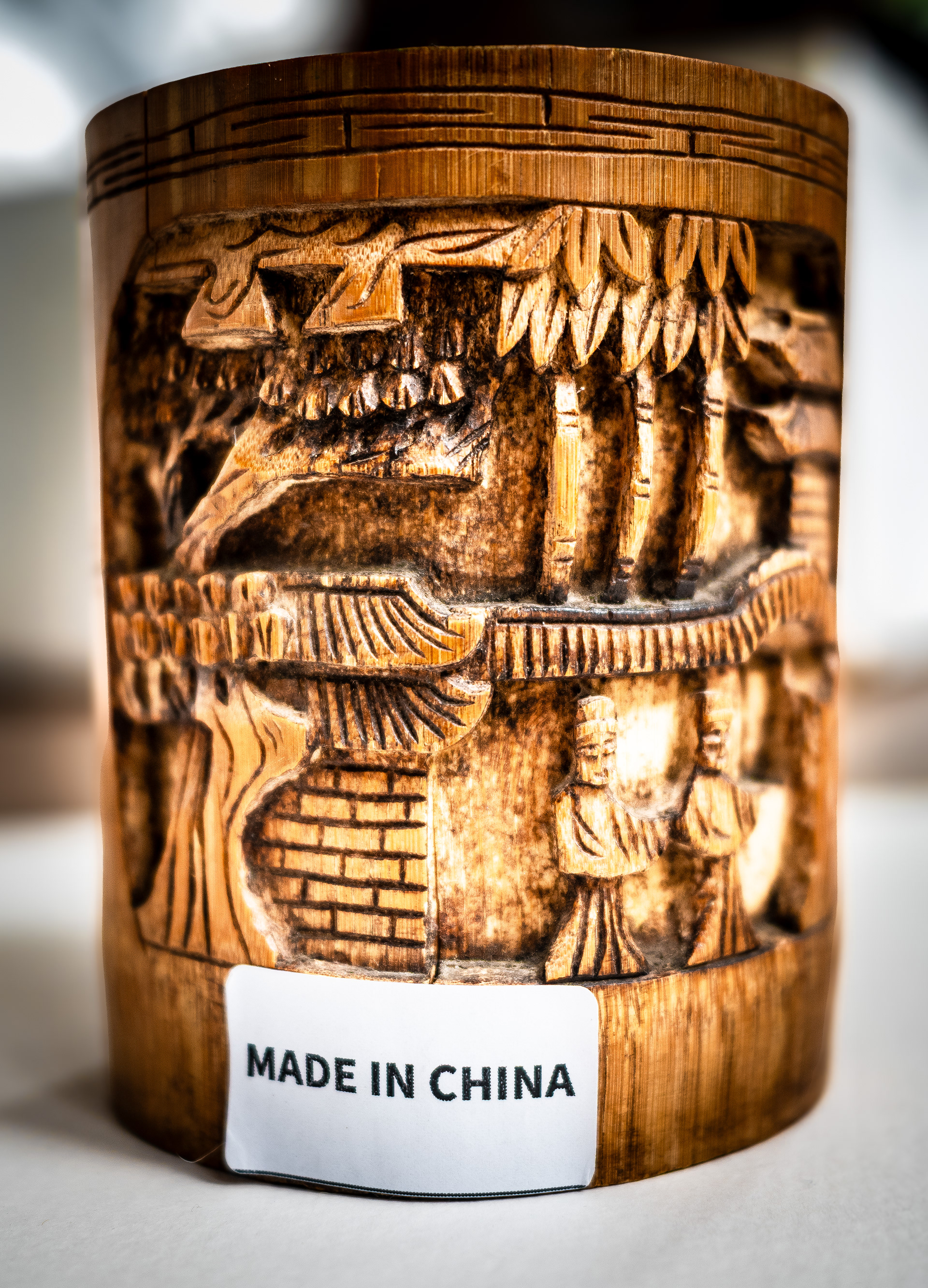
The work explores the collision between cultural heritage and modern mass production.
The handmade historical Bitong Pot from the Qing Dynasty represents craftsmanship,
tradition and Chinese cultural identity (Qing 1644 - 1912)
I added the cheap commercial sticker to represent globalisation, consumerism and mass
production.
The irony is that the object is already authentically Chinese yet the label reduces its complex
history to a simple manufacturing statement.
Inspired by Ai Weiwei’s use of contemporary branding on historical Chinese objects. I have
used the sticker to interrupt the object’s historical identity and question how
commercialisation can alter our perception of cultural value