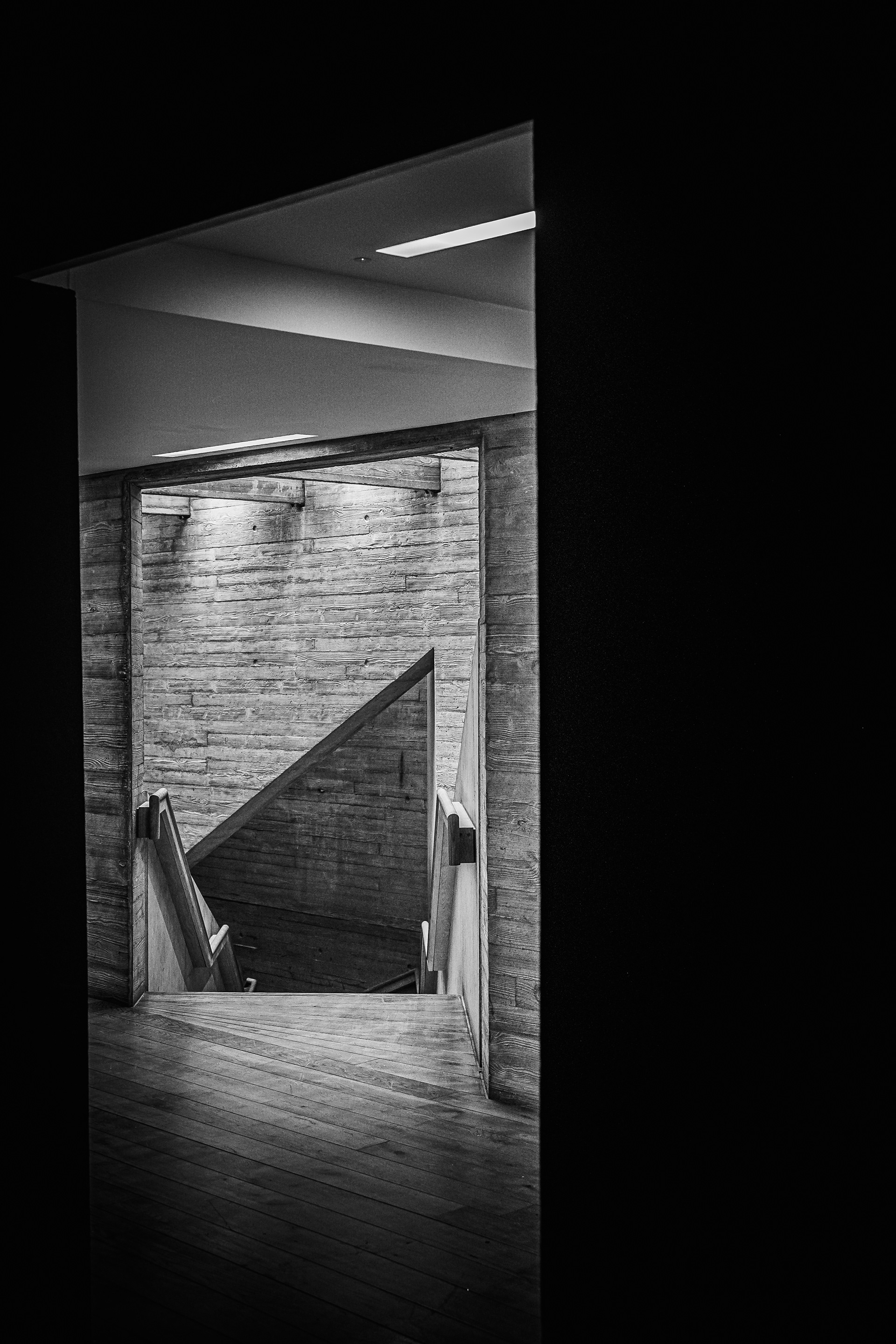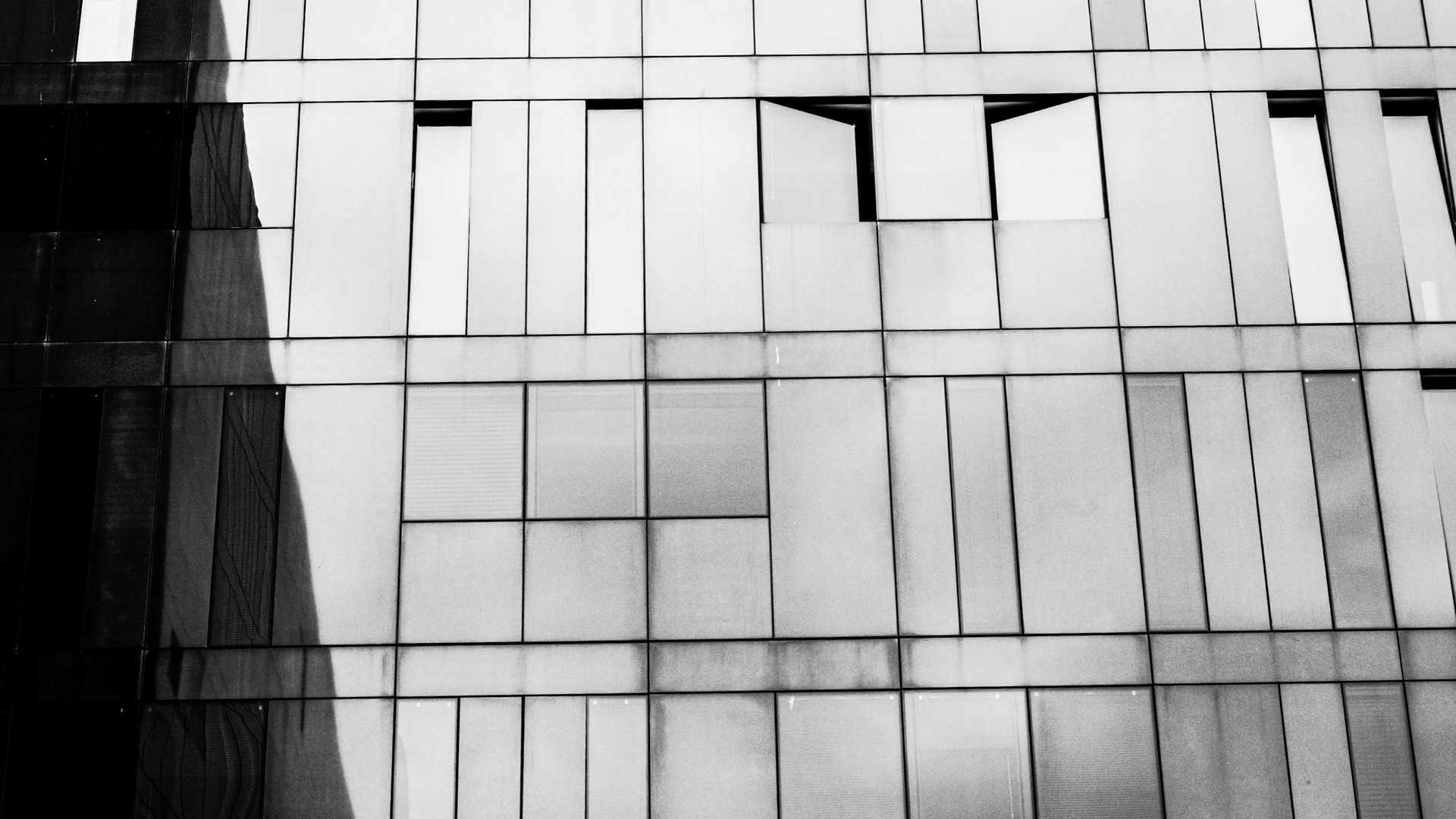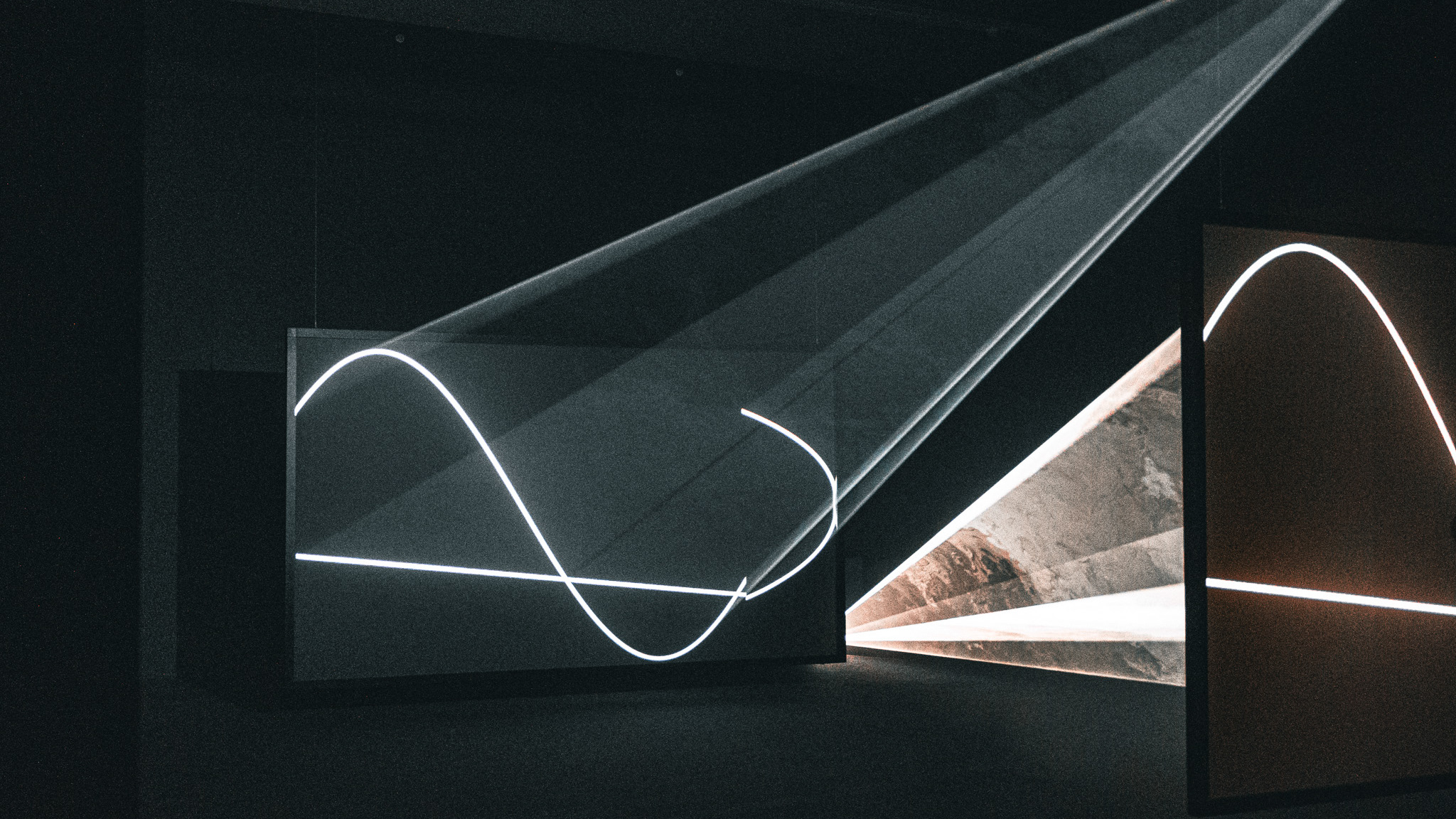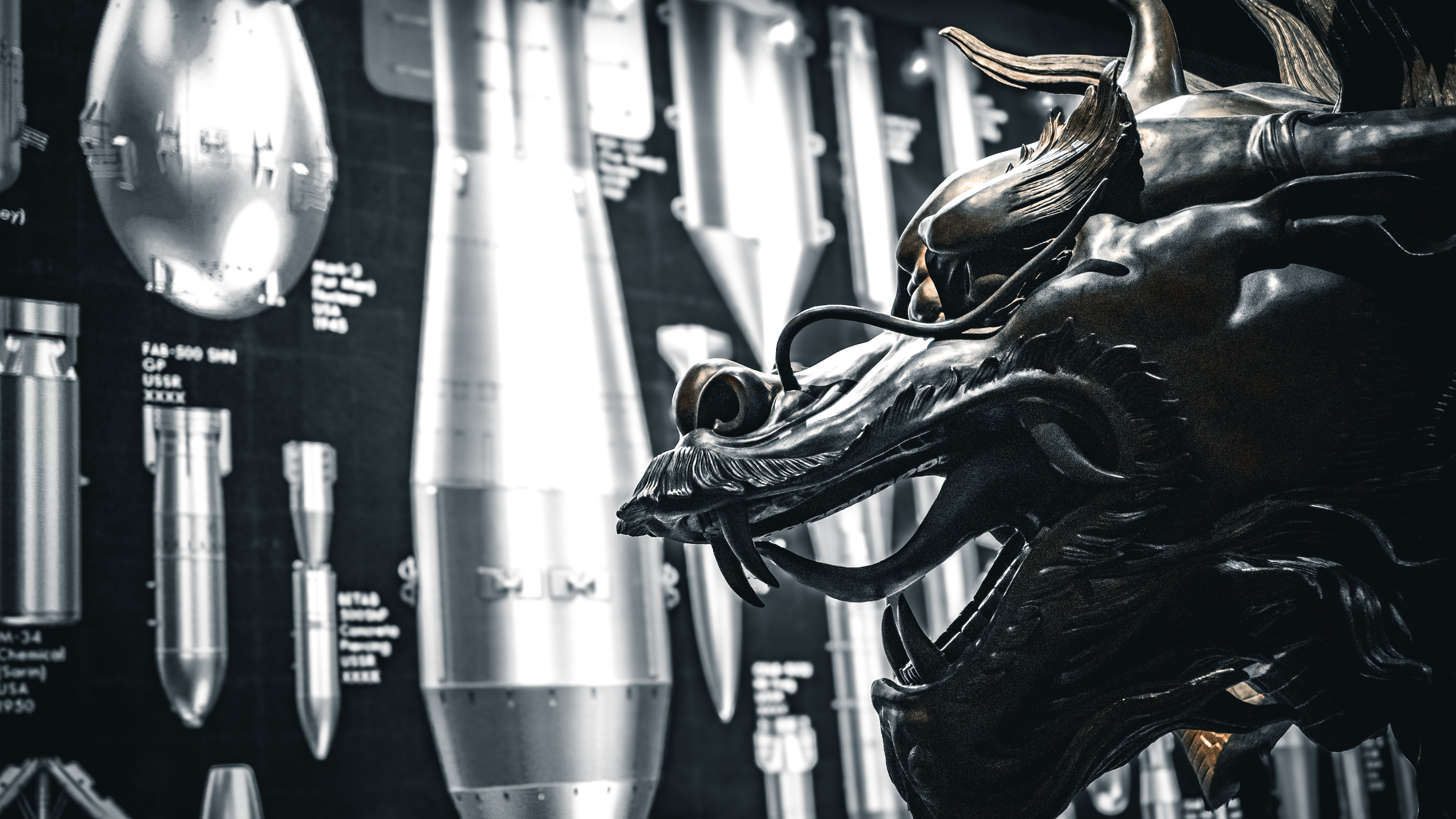
The Mostyn gallery, llandudno
Artes Mundi is one of the UK’s leading international contemporary art prizes and exhibitions, held every two years and based in Wales. Its name, meaning “Arts of the World,”
It reflects its mission - to bring together artists from across the globe whose work explores social reality, lived experience, and what it means to be human in a rapidly changing world.
Rather than focusing purely on aesthetics, Artes Mundi champions art that thinks, questions, and challenges. Each edition presents a group of shortlisted international artists whose practices engage deeply with politics, identity, community, history, and everyday life. The prize and exhibition encourage visitors to reflect on how art can connect personal stories to wider social issues—locally, globally, and everywhere in between.
As a result, Artes Mundi has become not just an exhibition to visit, but a space for conversation, empathy, and new perspectives—both for artists and audiences alike.
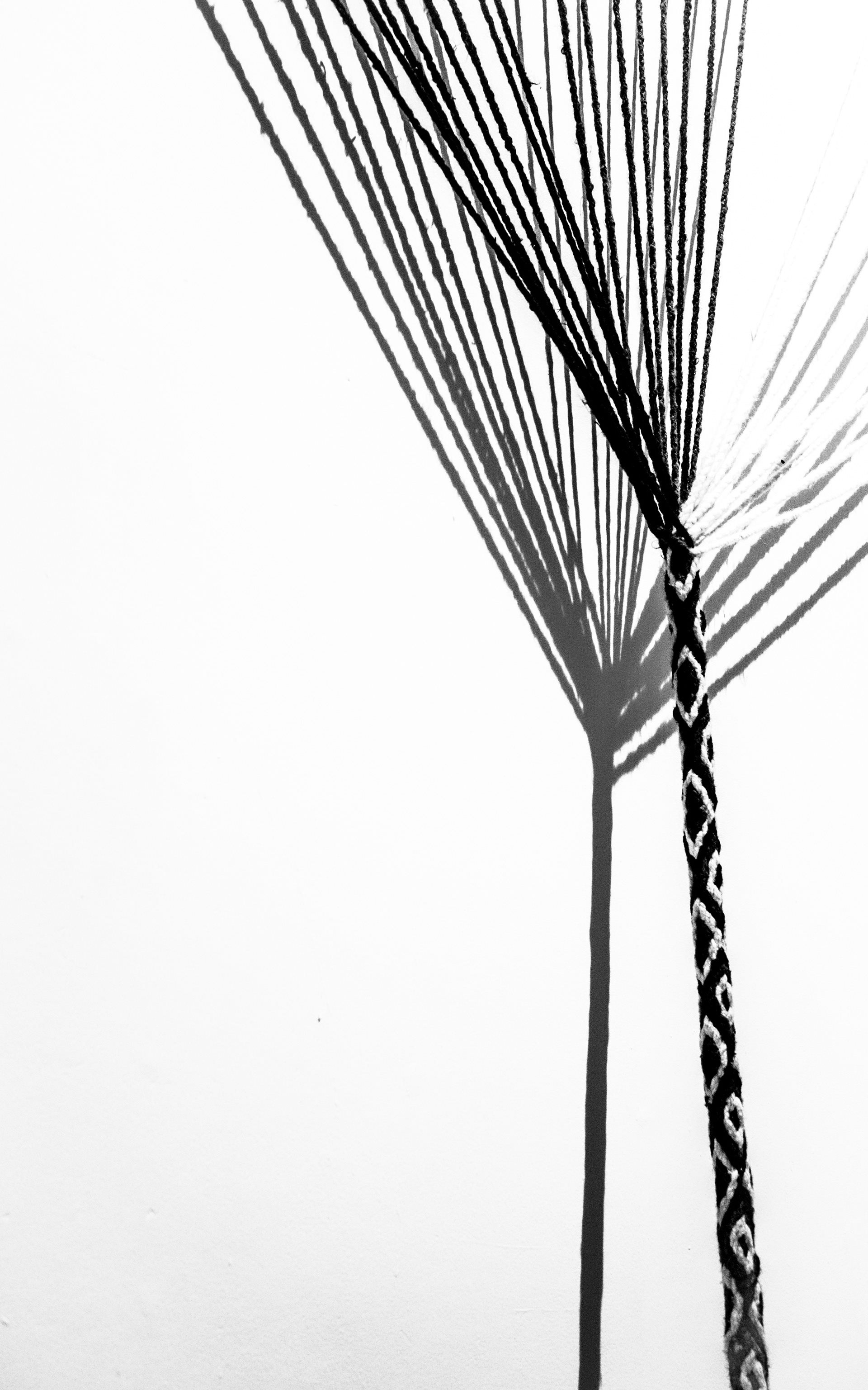
Our university trip was planned to see Artes Mundi 11 at the Mostyn gallery in Llandudno.
We were kindly shown around by one of the curators - artist, Rebecca hardy.
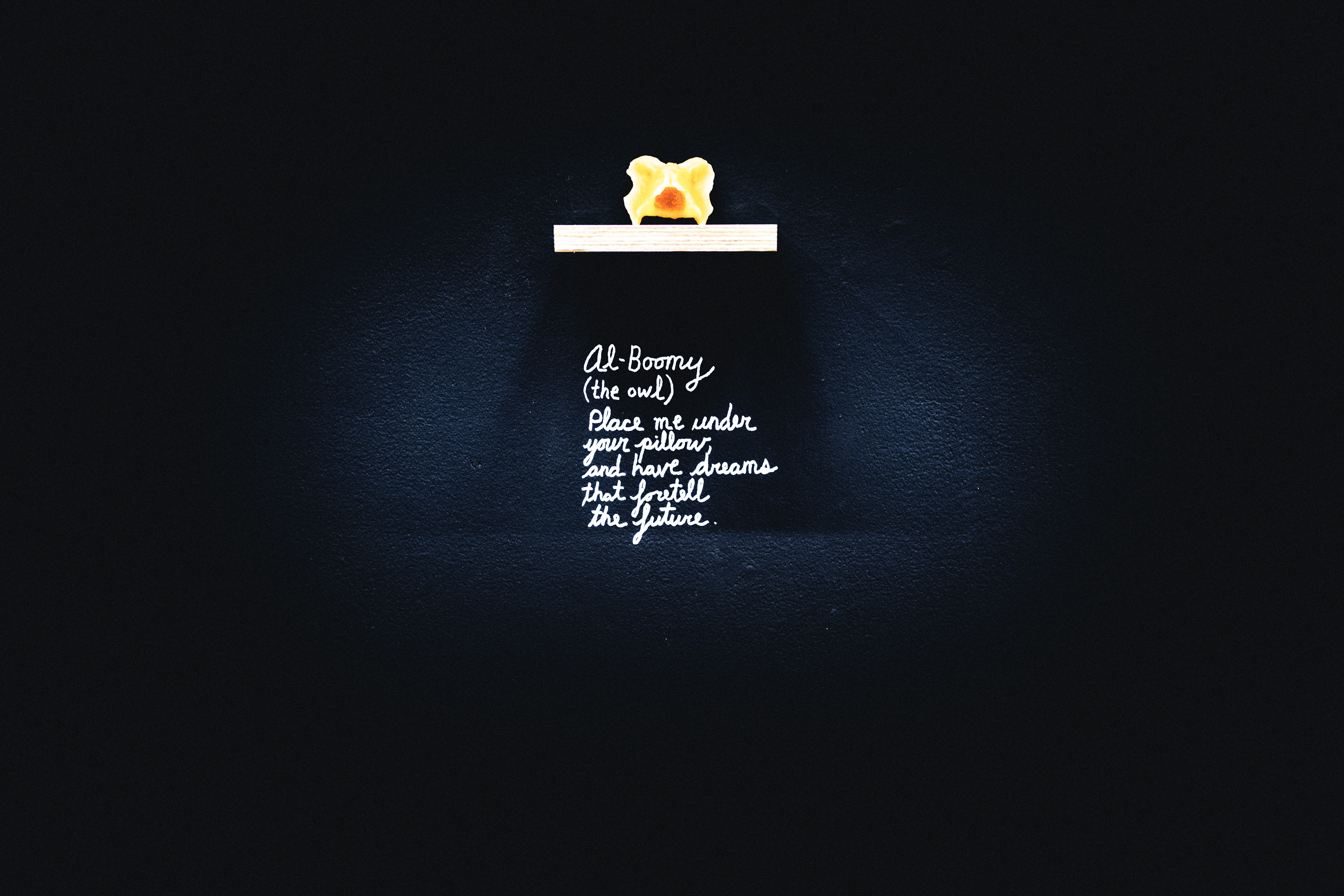
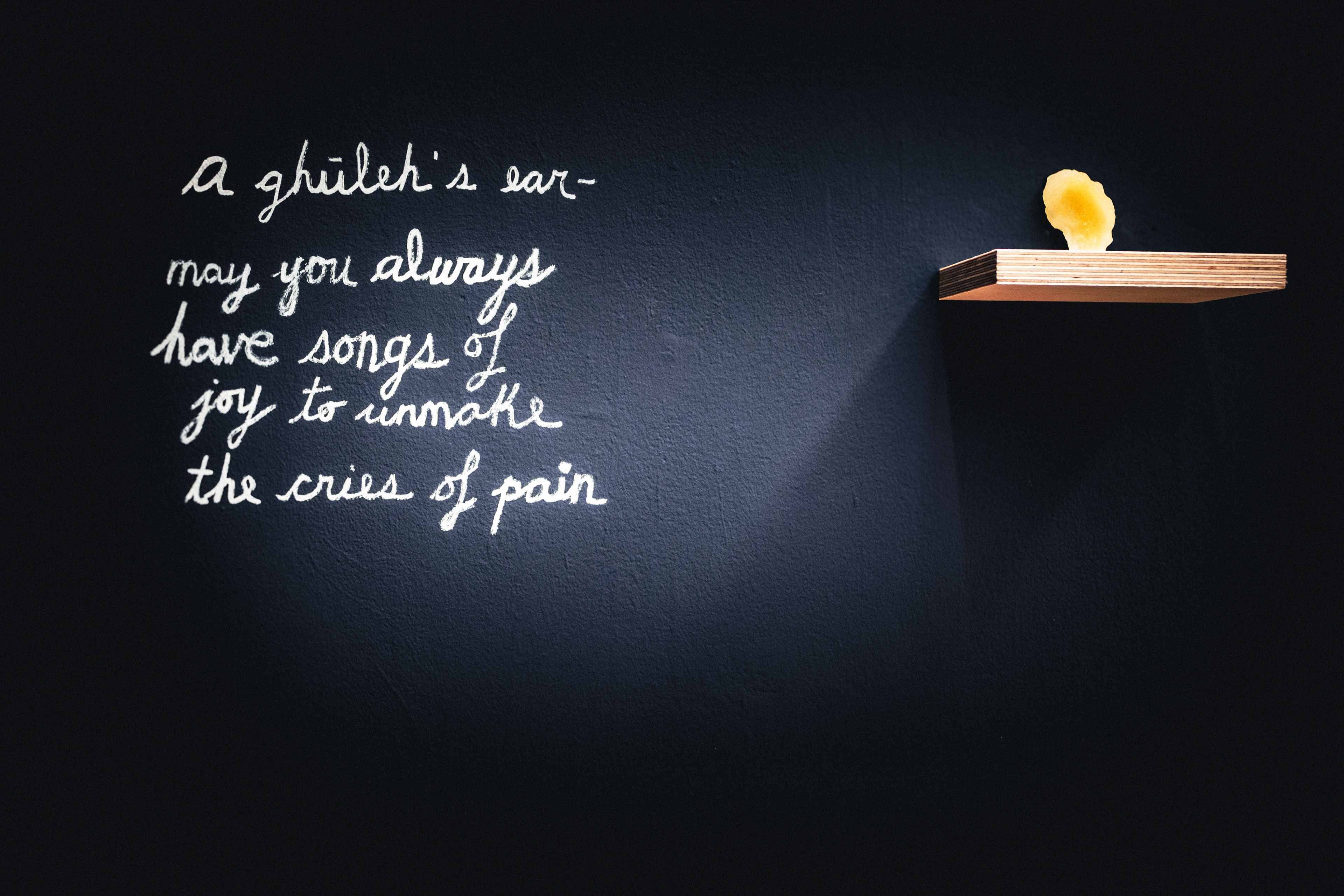
Works on display were by two international artists — Jumana Emil Abboud and Antonio Paucar. with the group it felt less like a formal trip and more like a shared moment of discovery. As we wandered through the gallery together, there was this gentle mix of curiosity, conversation, and quiet reflection.
Works on display were by two international artists — Jumana Emil Abboud and Antonio Paucar. with the group it felt less like a formal trip and more like a shared moment of discovery. As we wandered through the gallery together, there was this gentle mix of curiosity, conversation, and quiet reflection.
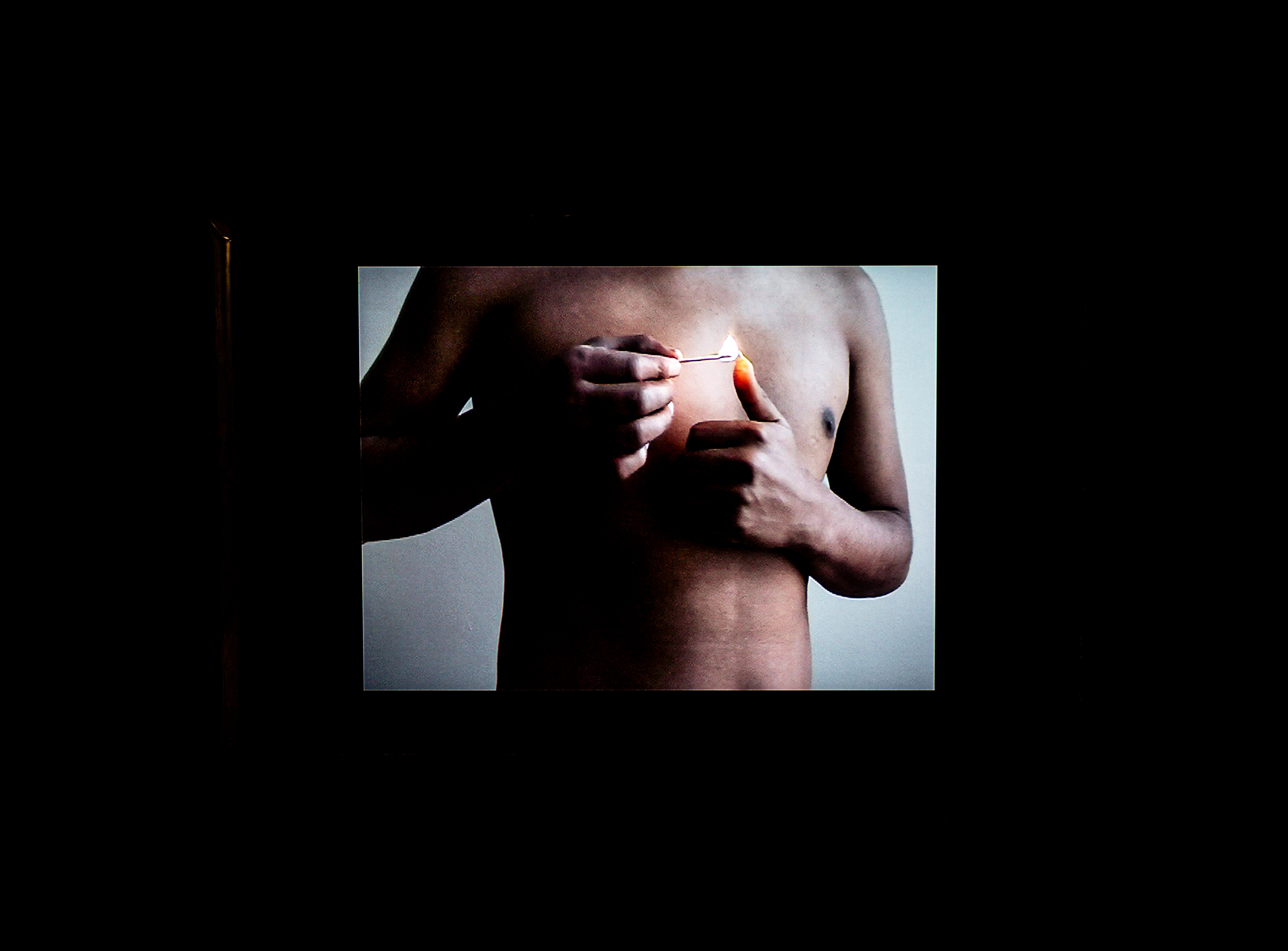
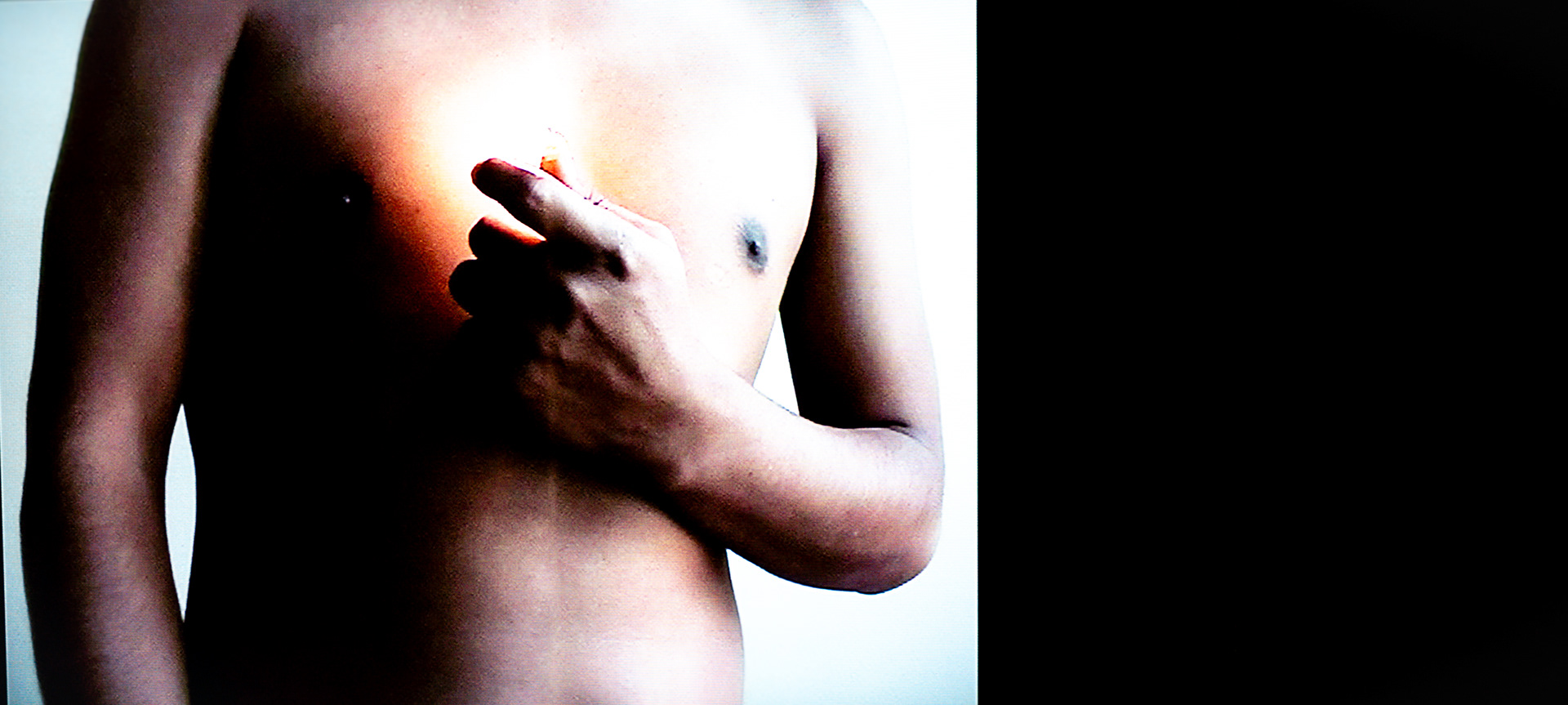
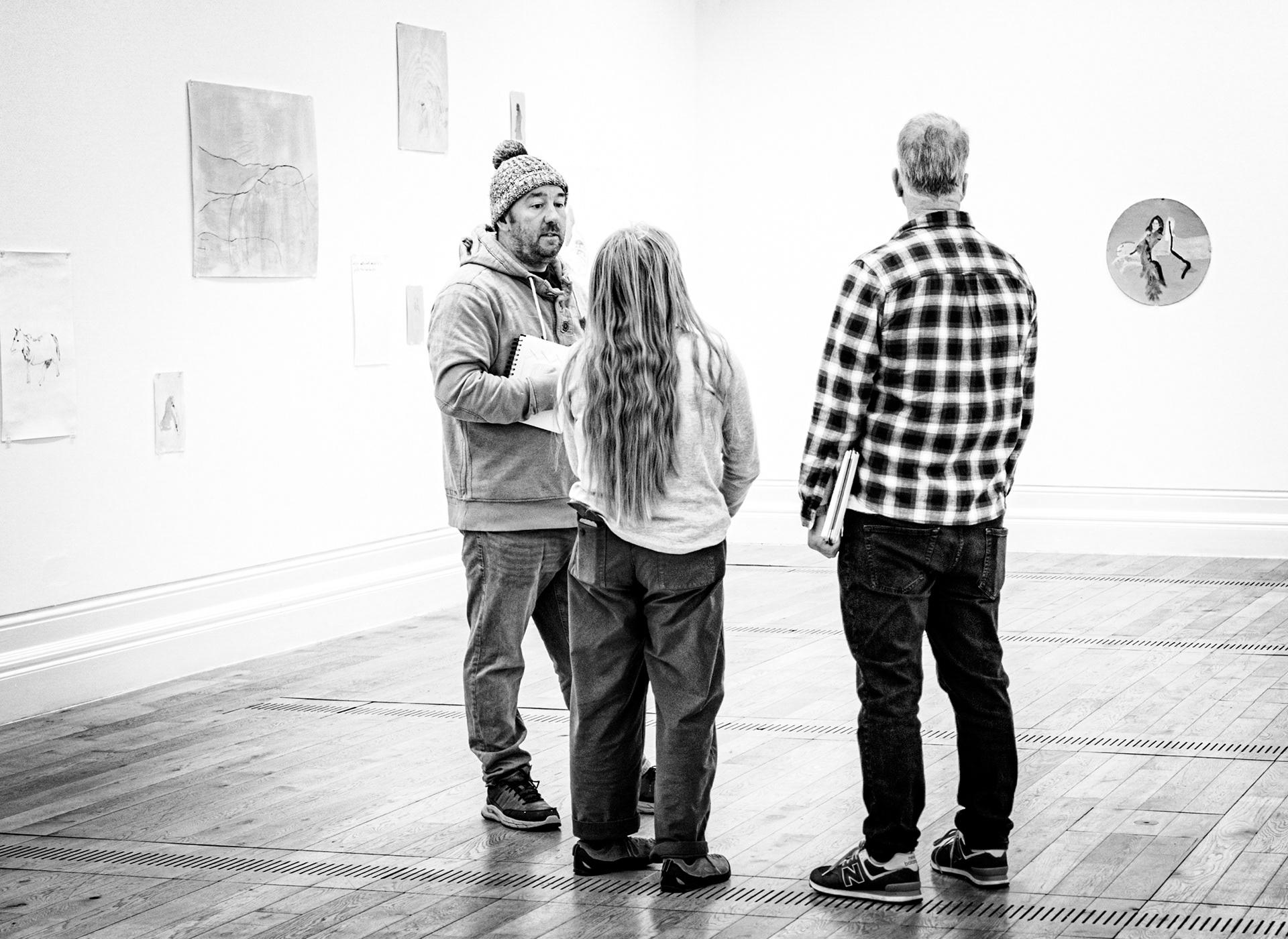
It was an opportunity to experience the world through the eyes of international artists while standing firmly in our own cultural landscape.
The gallery at Mostyn offered a place for quiet reflection. Moving from one artwork to another, I found myself thinking deeply about themes of identity, cultural memory, and the complexities of human experience. Each installation seemed to hold a conversation between the personal and the political, the intimate and the universal.
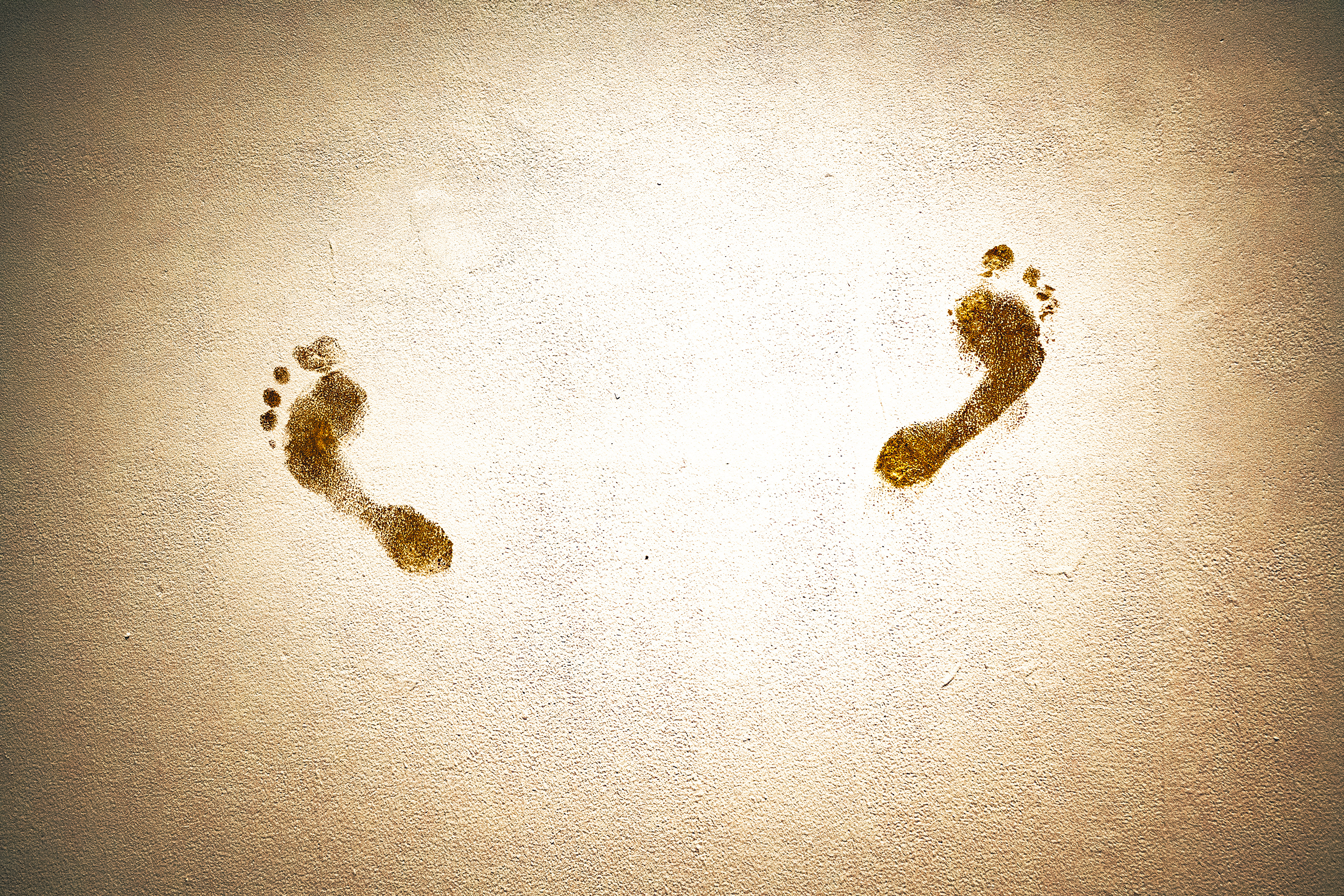
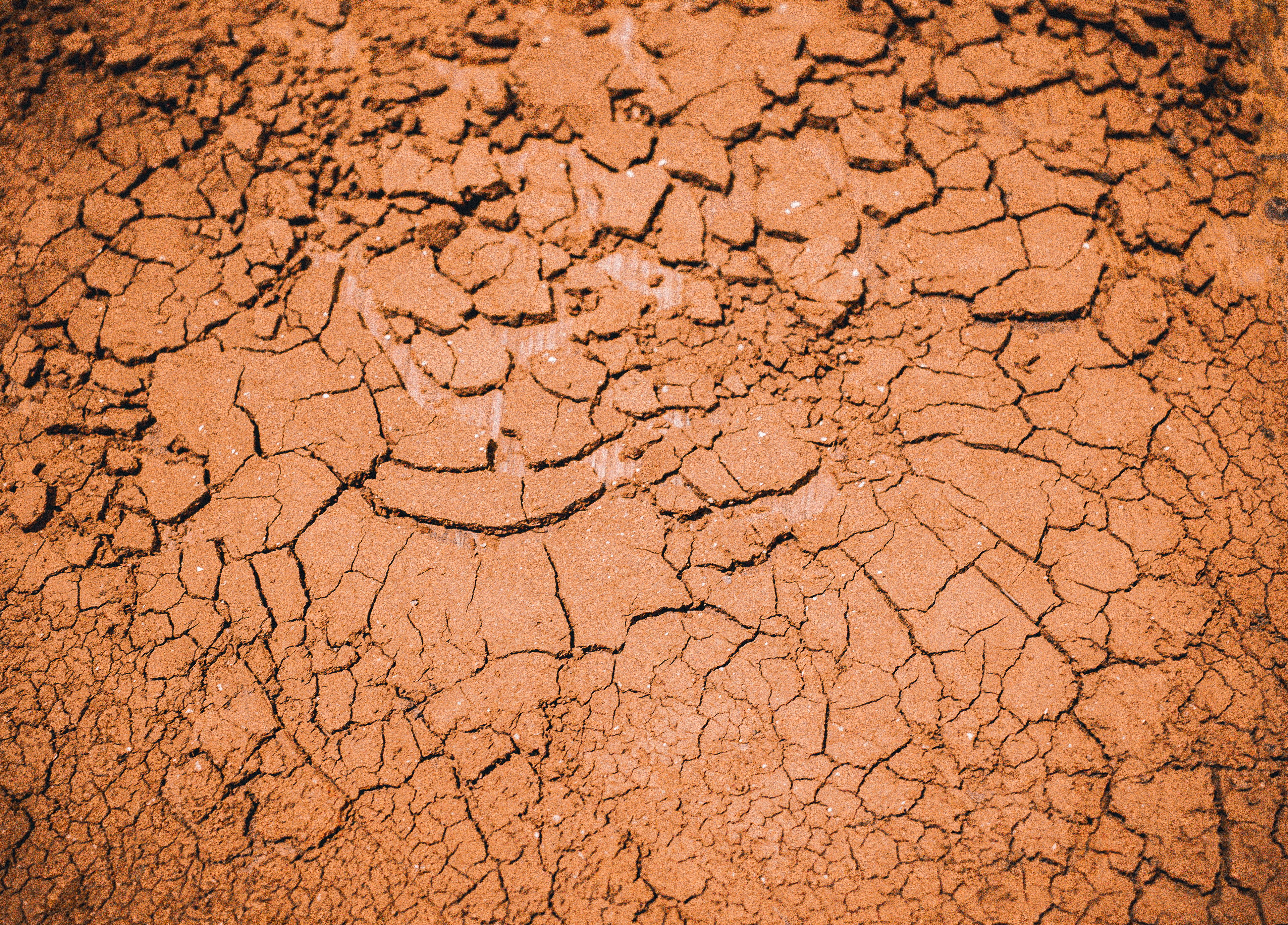
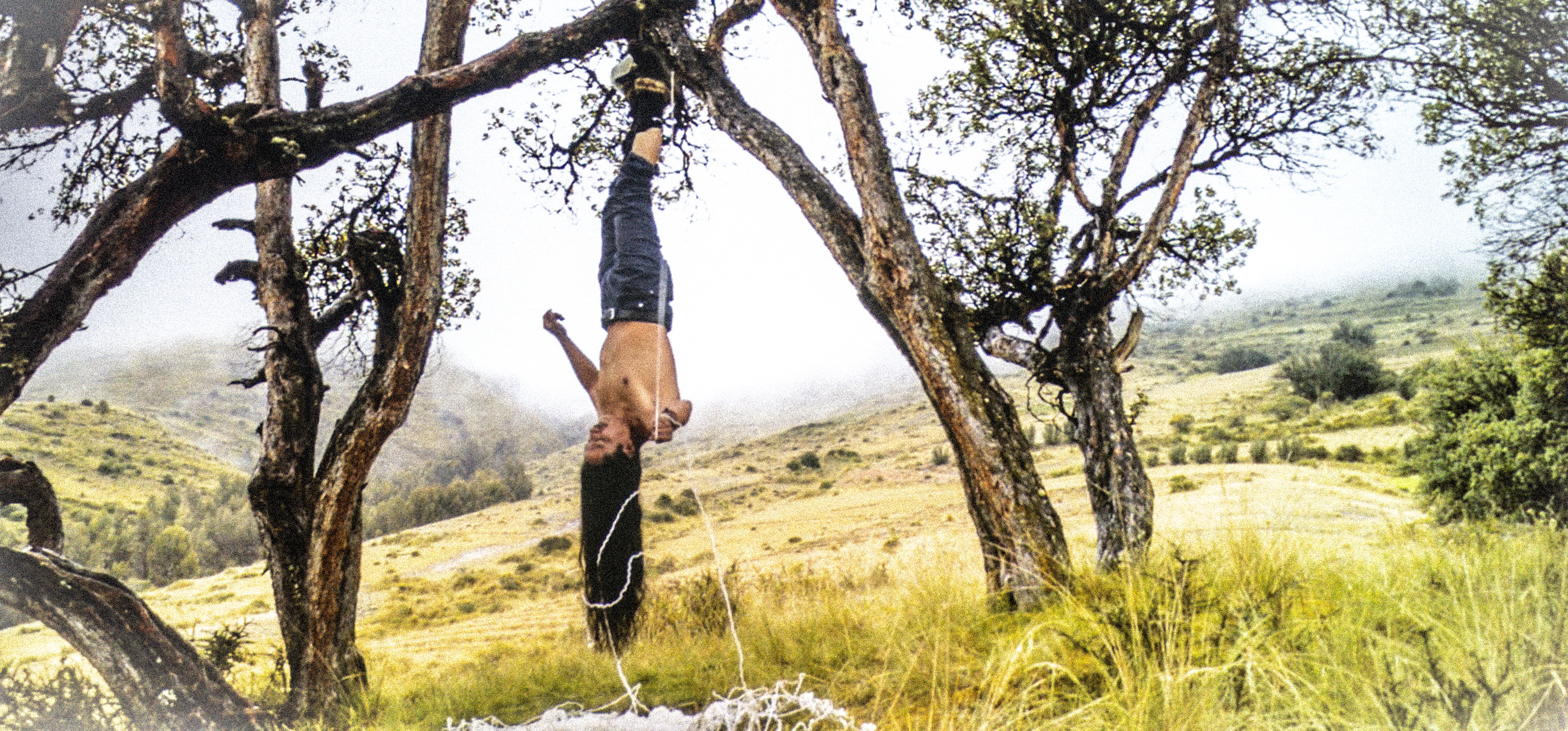
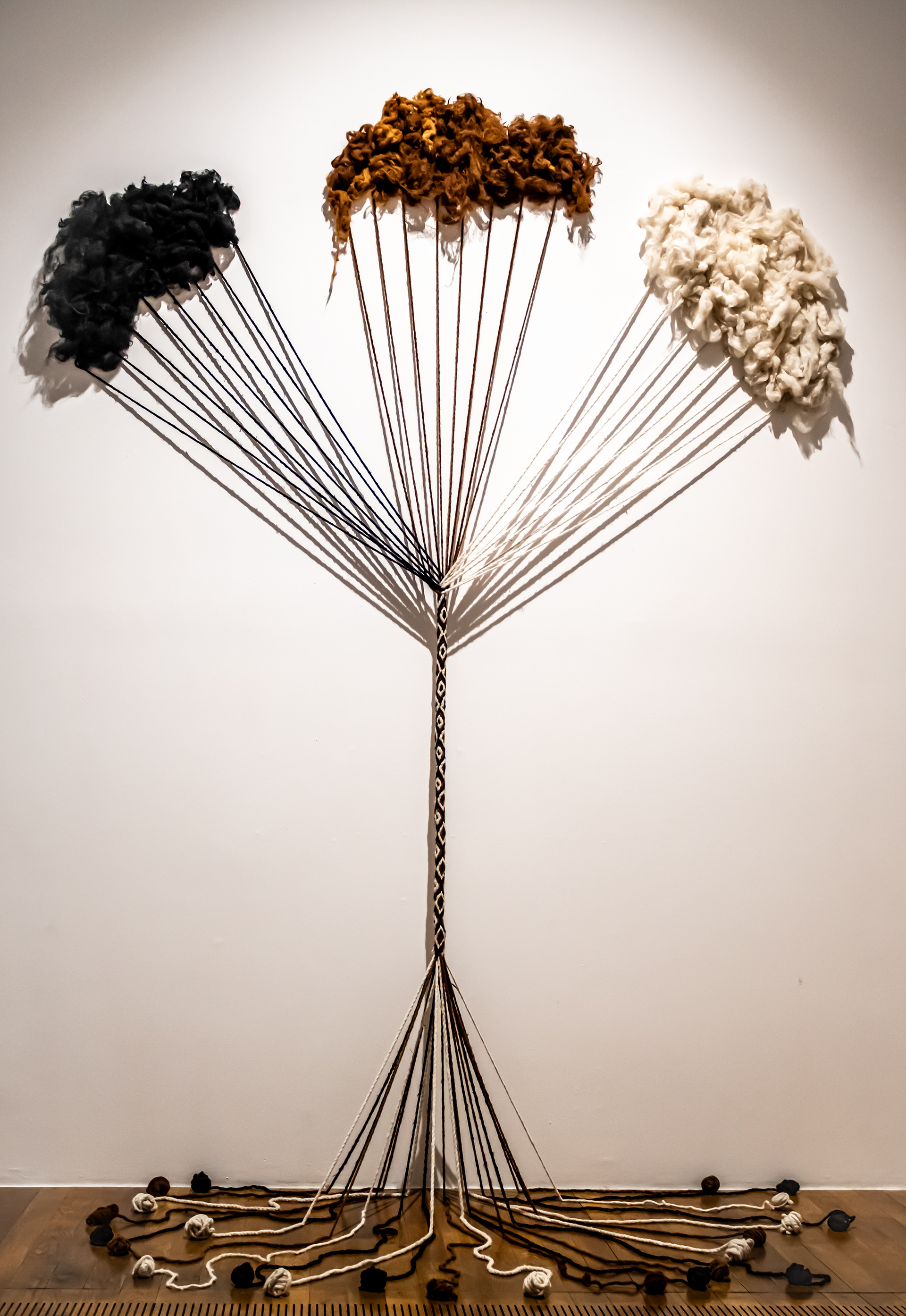
What struck me most was how, despite the geographical distances between the artists’ backgrounds and Wales, there were unmistakable correlations—echoes of Cymraeg culture woven into the deeper themes. Ideas of belonging, language, land, and collective history resonated strongly. It reminded me that while cultures may differ, the core human experiences they express often overlap in subtle but powerful ways.
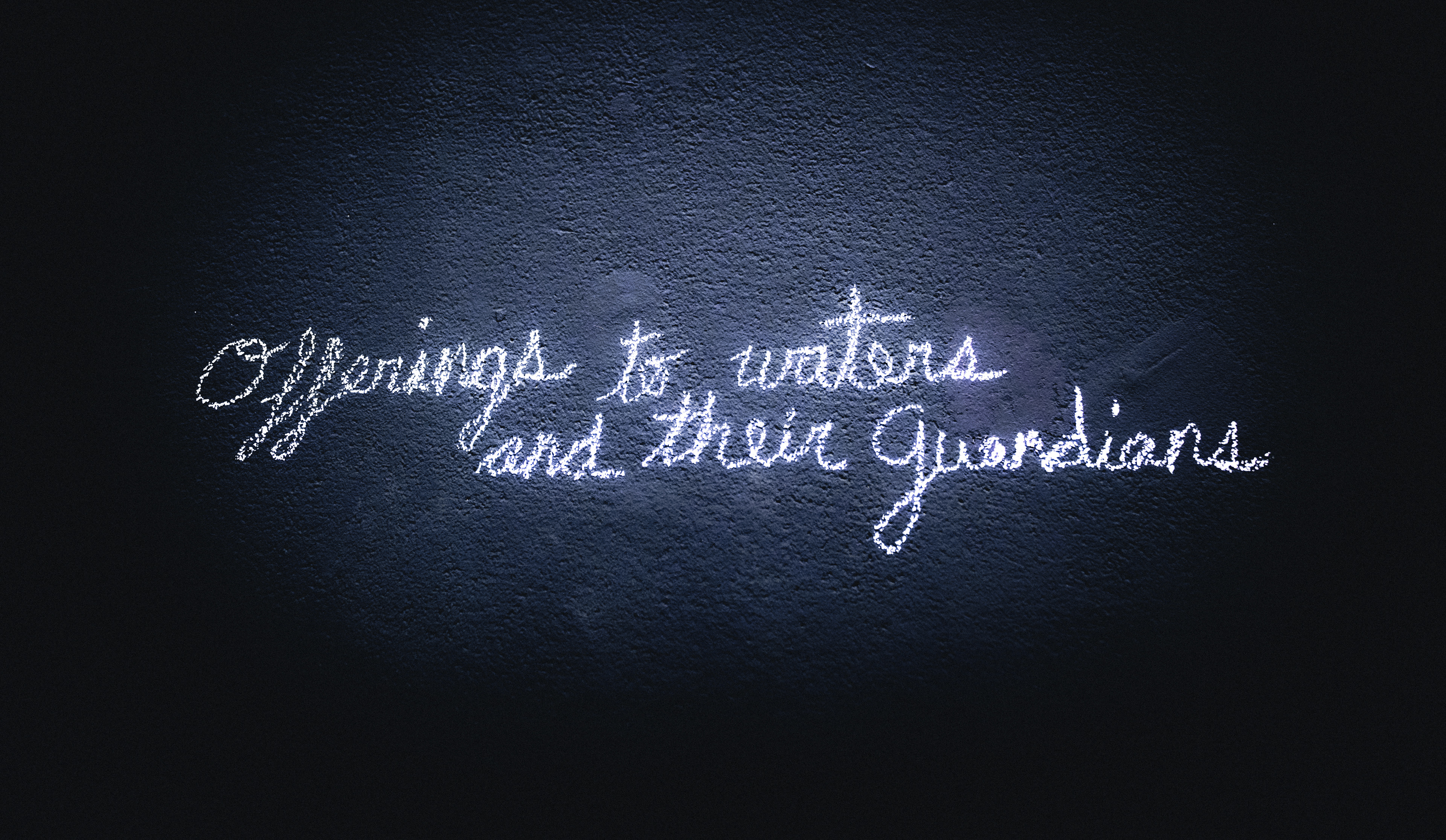
Being surrounded by my peers added another dimension to the visit. Our discussions. It helped me see the works through lenses other than my own. The day became not just about viewing art, but about expanding perspectives together.
leaving the Mostyn feeling energised with a sketchbook and camera. i left with a curiosity about how art can shape, challenge, and reflect identity. Artes Mundi 11 didn’t just present artwork; it offered an environment for inspiration, contemplation, and connection. It was a reminder of how art links us—across cultures, across experiences, and across the distances we imagine between ourselves and others.
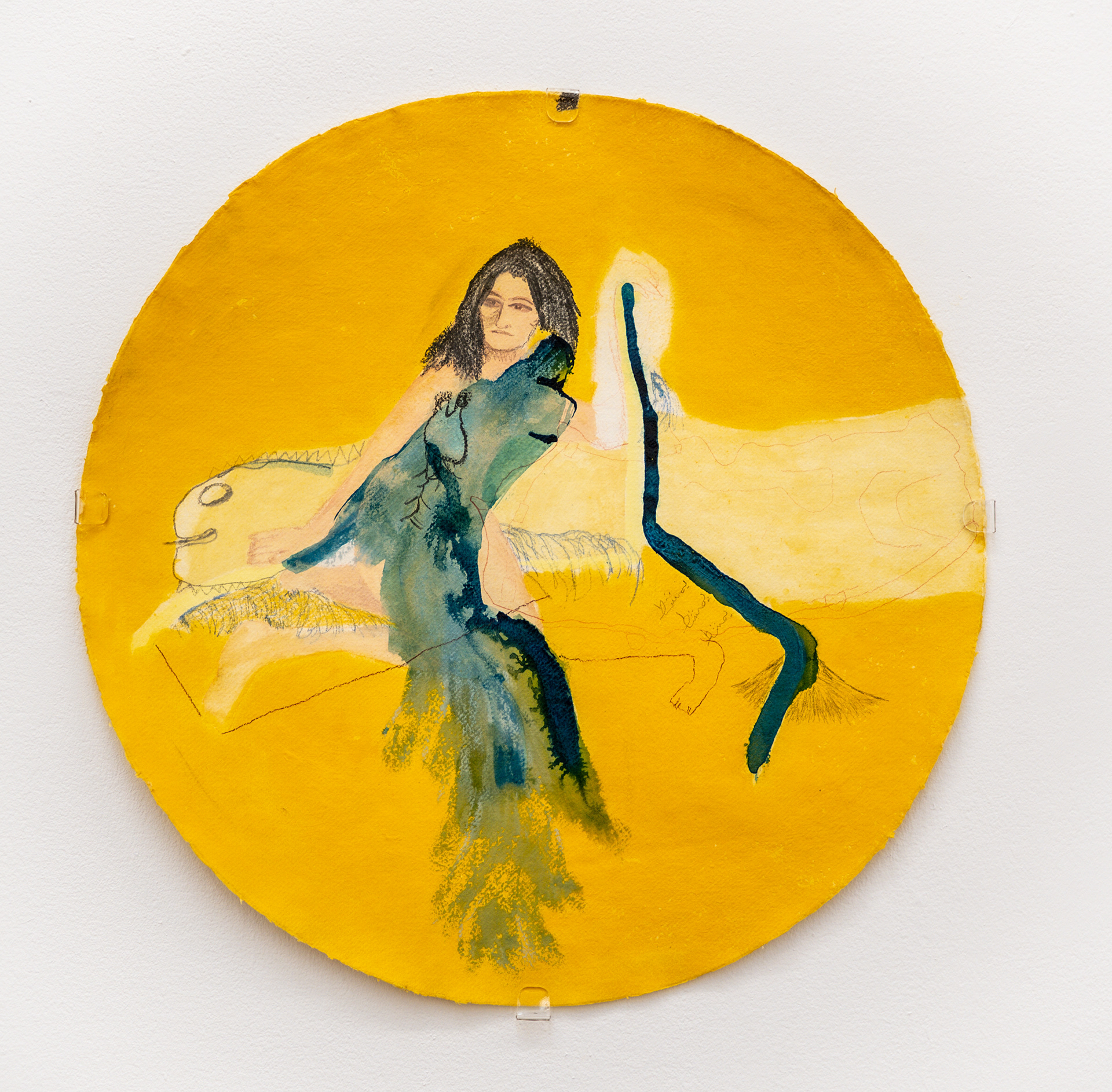
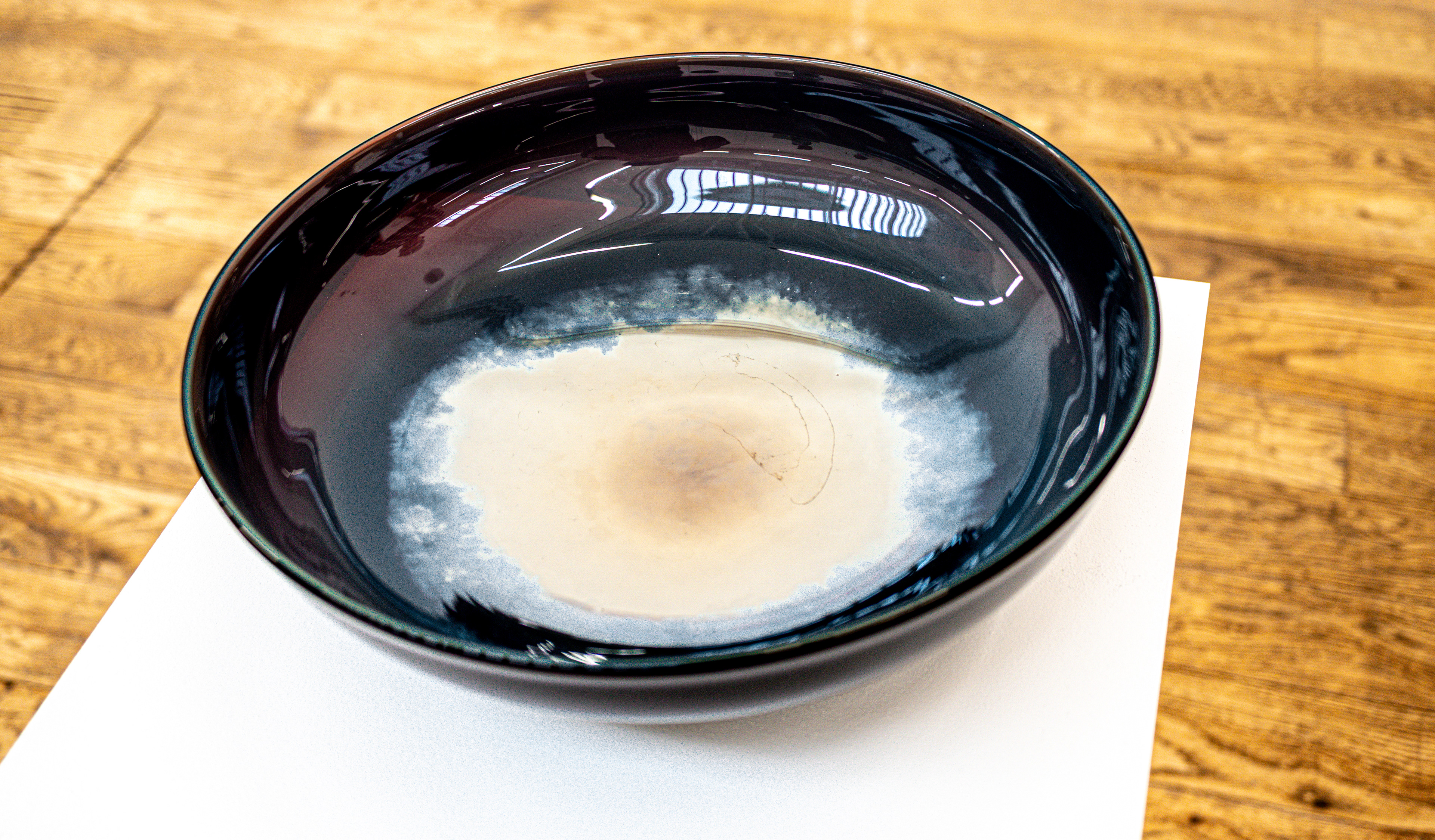
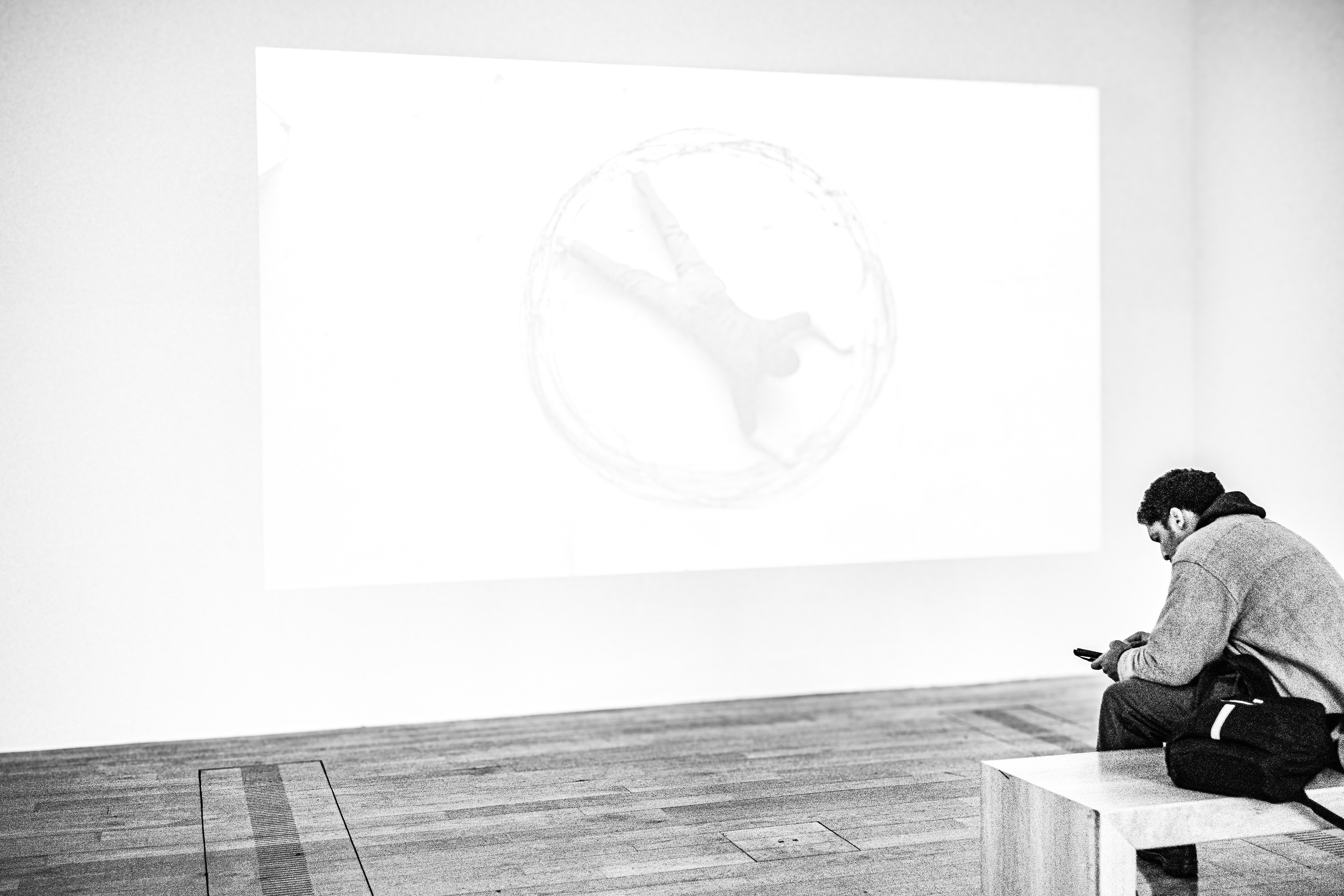
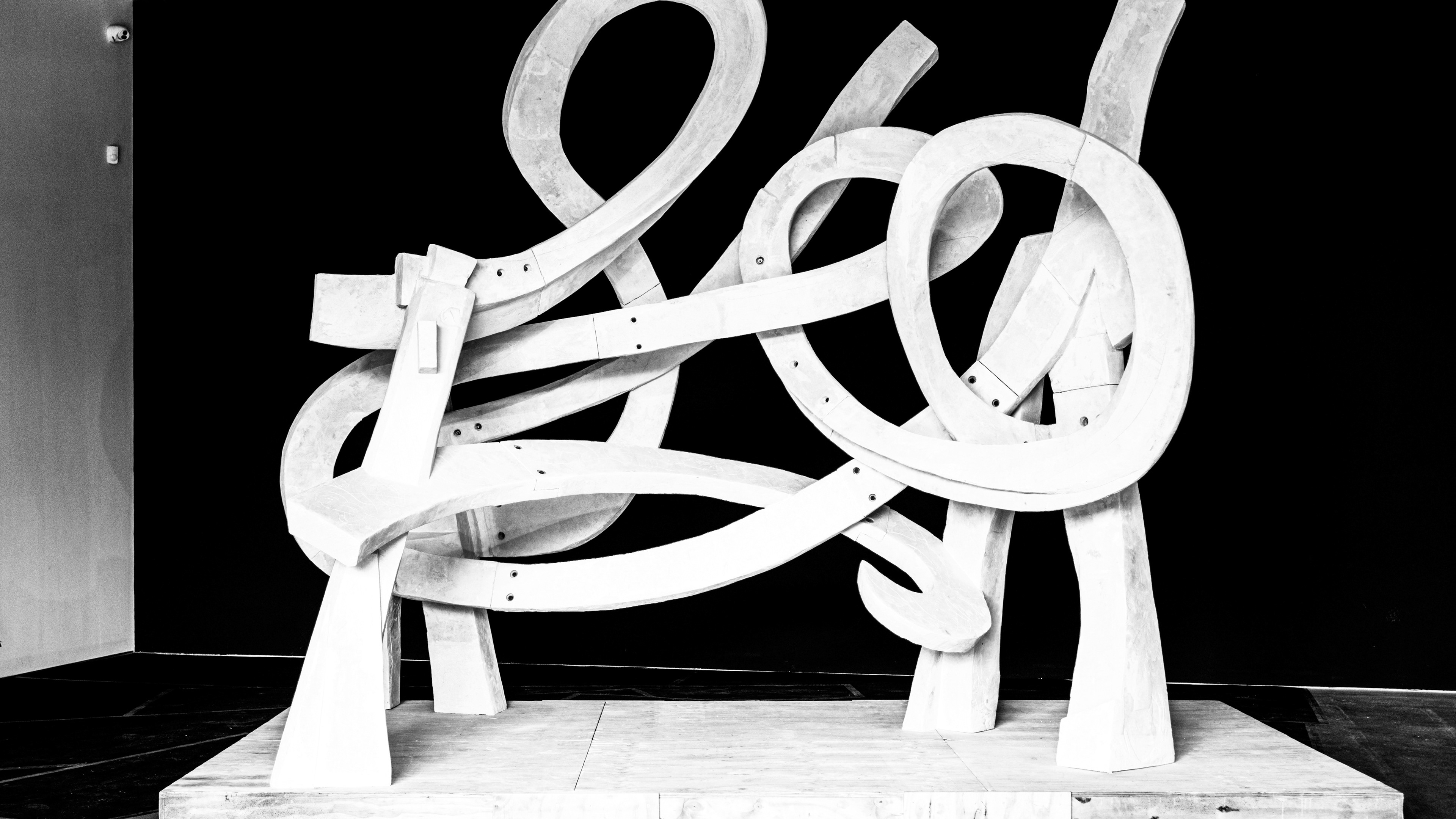
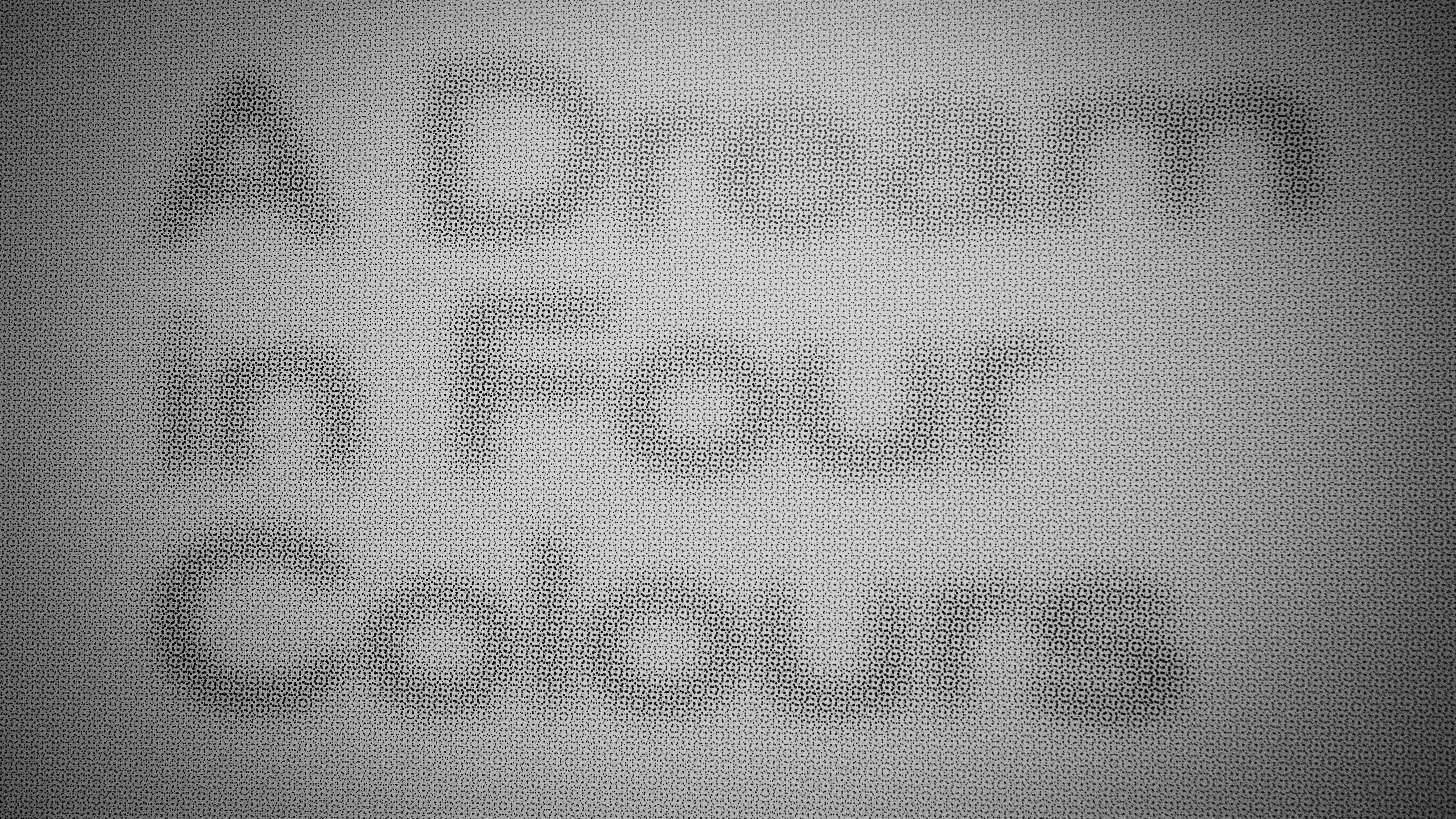
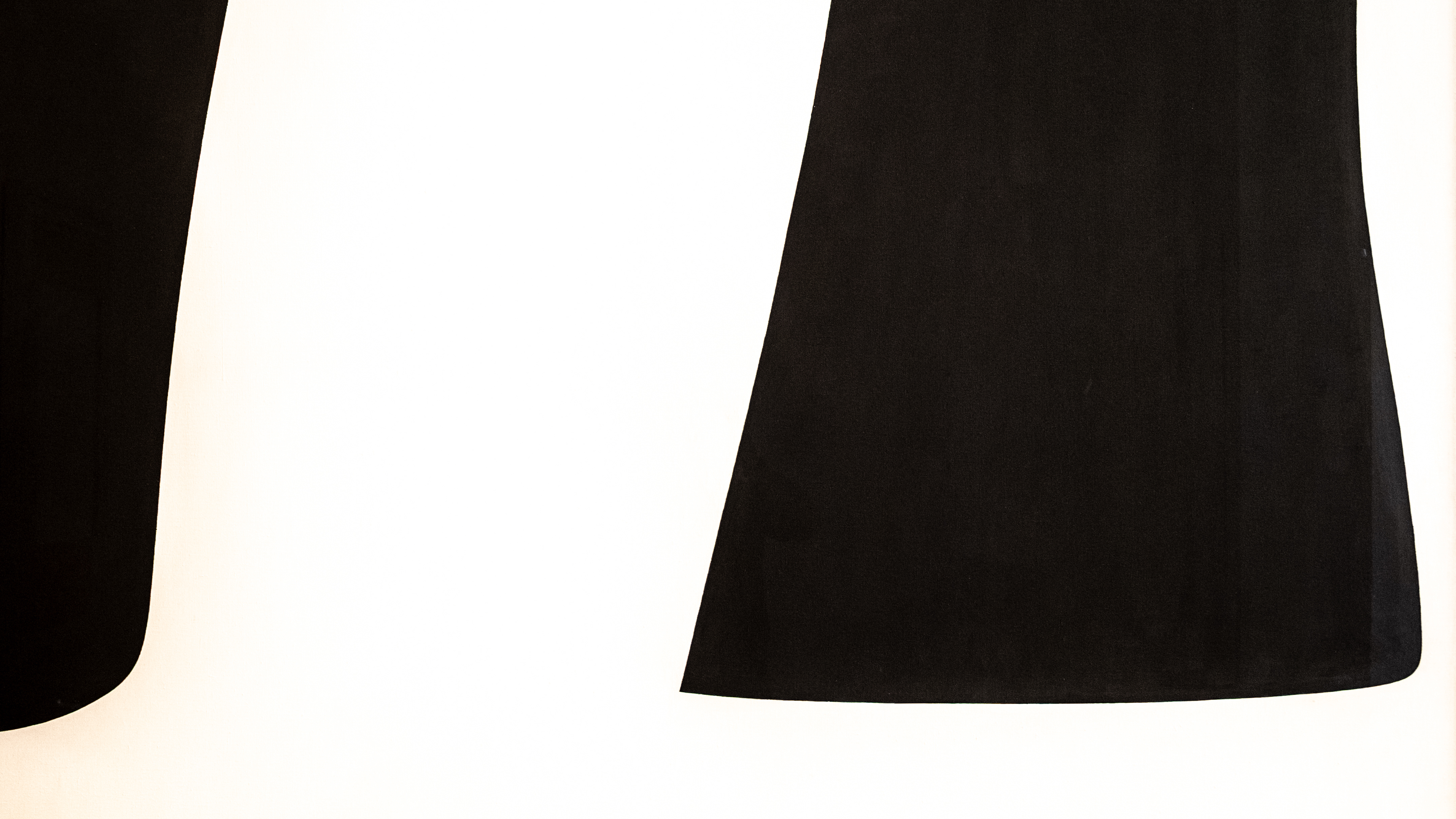
The exhibition brought together a contemporary blend of sculpture, film, and painting, each piece offering its own lens on themes of identity, nature, and humanity.
Abboud’s work felt deeply rooted in storytelling and memory, weaving folklore with personal reflection.
Paucar’s pieces, meanwhile, carried a strong physical and environmental presence, inviting us to consider our relationship with the landscapes we inhabit.
Together, their works created an atmosphere that was both thoughtful and quietly immersive.
It was an exhibition that lingered long after leaving the gallery — full of questions, textures, and emotional undercurrents that encouraged us to look a little more closely at the world around us.
Abboud’s work felt deeply rooted in storytelling and memory, weaving folklore with personal reflection.
Paucar’s pieces, meanwhile, carried a strong physical and environmental presence, inviting us to consider our relationship with the landscapes we inhabit.
Together, their works created an atmosphere that was both thoughtful and quietly immersive.
It was an exhibition that lingered long after leaving the gallery — full of questions, textures, and emotional undercurrents that encouraged us to look a little more closely at the world around us.